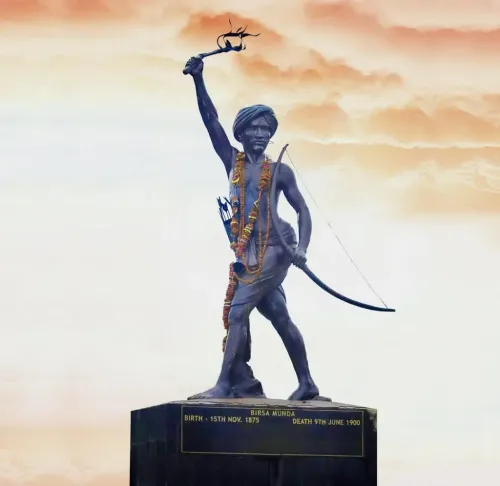
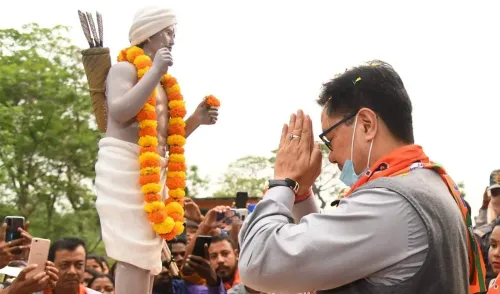
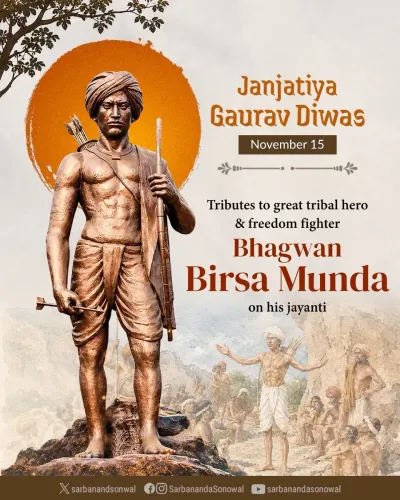
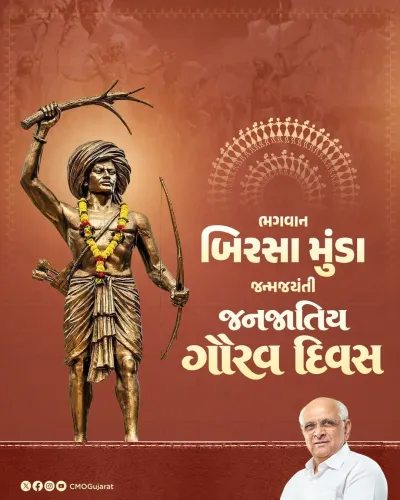
Mandaviya pays tribute to Birsa Munda on Janjatiya Gaurav Diwas
Synopsis
Union Minister Mansukh Mandaviya marked Janjatiya Gaurav Diwas on 15 November 2026 by paying tribute to 'Dharti Aaba' Birsa Munda, the 19th-century Munda tribal leader whose Ulgulan movement against British rule earned him an enduring place in India's freedom narrative.
Key Takeaways
Janjatiya Gaurav Diwas is observed on 15 November every year, coinciding with the birth anniversary of Bhagwan Birsa Munda .
The national observance was instituted by the Government of India in 2021 to honour tribal contributions to the freedom struggle.
Birsa Munda, born in 1875 in present-day Jharkhand , led the Ulgulan movement against British land policies and exploitative landlords.
He is reverently called 'Dharti Aaba' — 'Father of the Earth' — by tribal communities across the country.
Union Minister Mansukh Mandaviya offered tributes on X, extending wishes to all citizens on the occasion.
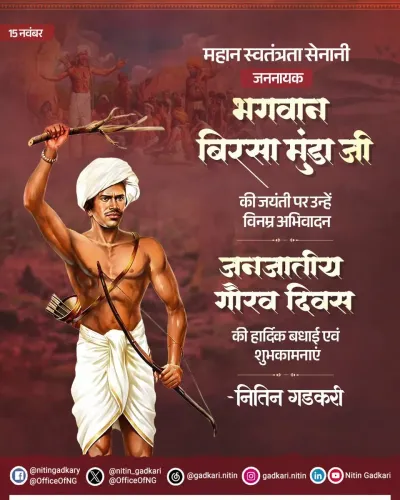
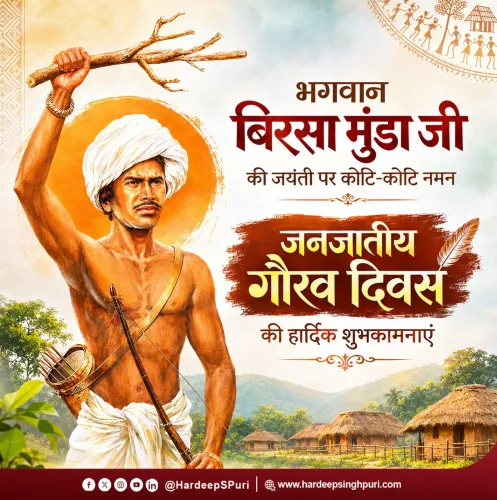
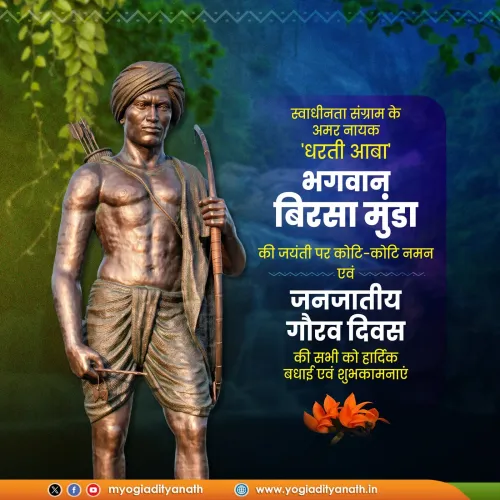
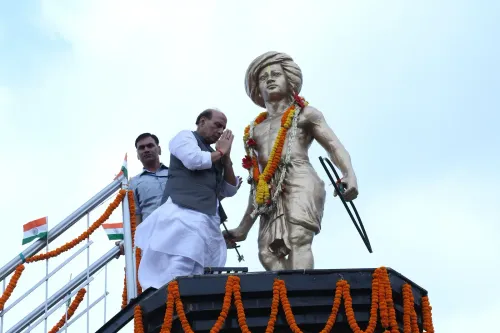
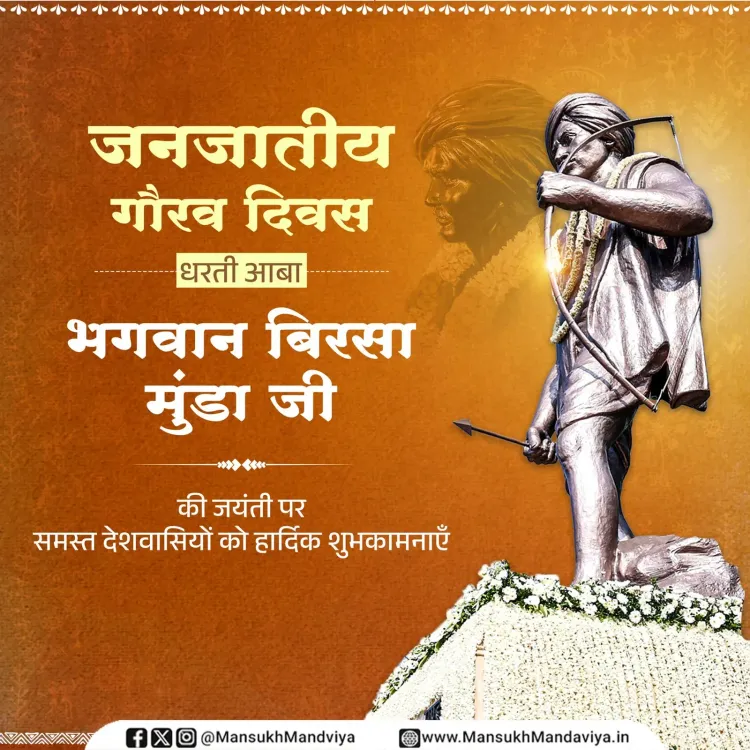
On the birth anniversary of Bhagwan Birsa Munda — the tribal icon who took on the might of British colonialism and exploitative landlords with nothing but conviction and a bow — Union Labour and Sports Minister Mansukh Mandaviya extended heartfelt tributes on Sunday, 15 November 2026, marking Janjatiya Gaurav Diwas across India.
Posting on X, the Minister offered 'koti-koti naman' — a crore-fold salutations — to the leader reverently called 'Dharti Aaba', meaning 'Father of the Earth', and wished all citizens on this national observance of tribal pride.Who was 'Dharti Aaba' — and why the title endures
Birsa Munda, born on 15 November 1875 in present-day Jharkhand, rose from the Munda tribal community to lead the Ulgulan movement — a fierce rebellion against British land-grab policies and the exploitative diku (outsider landlord) system that had stripped tribal communities of their ancestral forests and rights. He died in British custody in 1900, aged just 25, but his legacy calcified into something far larger than any single uprising. The reverence encoded in 'Dharti Aaba' — a son of the soil who stood for the soil itself — reflects the depth of that enduring bond.
How Janjatiya Gaurav Diwas became a national date
In 2021, the Government of India formally declared 15 November as Janjatiya Gaurav Diwas, institutionalising what had long been an organic anniversary of remembrance within tribal communities. The move was designed to bring tribal contributions to India's freedom struggle — often marginalised in mainstream historical narratives — firmly into the national calendar. The observance now anchors state-level cultural programmes, heritage documentation drives, and welfare reviews in Scheduled Tribe districts across the country.
A pattern of foregrounding tribal voices
Mandaviya's post is part of a broader, sustained practice by the central government to place tribal icons at the centre of the national freedom narrative — not on its edges. The annual observance runs alongside ongoing programmes in tribal education, livelihood support, and cultural preservation. With a new parliamentary session on the horizon, attention will turn to whether fresh announcements on tribal development schemes follow the commemorations on the ground.
Bhagwan Birsa Munda spent less than three decades on earth — but the movement he ignited, and the day now named in his honour, remind a nation that the margins of history were often its most consequential frontlines.
Point of View
The government has shifted Birsa Munda from a regional icon to a pan-Indian symbol. The real policy test, however, comes not in the tributes but in the parliamentary calendar that follows: whether welfare and land-rights programmes in Scheduled Tribe districts see meaningful legislative or budgetary movement. As tribal constituencies grow in electoral salience — particularly in Jharkhand, Odisha, and central India — the gap between commemorative rhetoric and ground-level delivery will face sharper scrutiny.
NationPress
15 Nov 2026
Frequently Asked Questions
What is Janjatiya Gaurav Diwas and when is it celebrated?
Janjatiya Gaurav Diwas is a national observance held every year on 15 November to mark the birth anniversary of tribal leader Bhagwan Birsa Munda and recognise the contributions of tribal communities to India's freedom struggle. It was declared by the Government of India in 2021 .
Who was Birsa Munda and why is he called 'Dharti Aaba'?
Birsa Munda was a 19th-century tribal leader from the Munda community in present-day Jharkhand who led the Ulgulan movement against British colonialism and exploitative landlords. He is called 'Dharti Aaba' — 'Father of the Earth' — in tribute to his deep connection with tribal land rights and his role as a protector of his people.
When did the government declare 15 November as Janjatiya Gaurav Diwas?
The Government of India declared 15 November as Janjatiya Gaurav Diwas in 2021 , formalising the date as a national occasion to celebrate tribal heritage and honour Birsa Munda's legacy.
What was the Ulgulan movement?
The Ulgulan was a tribal uprising led by Birsa Munda in the late 19th century against British land-seizure policies and the diku (outsider landlord) system that displaced tribal communities from their ancestral forests. It remains one of the most significant tribal revolts in India's colonial history.
What did Mansukh Mandaviya say on Janjatiya Gaurav Diwas 2026?
Union Minister Mansukh Mandaviya posted on X offering 'koti-koti naman' (a crore-fold salutations) to Bhagwan Birsa Munda on his birth anniversary and extended warm wishes to all citizens on the occasion of Janjatiya Gaurav Diwas .