Mandaviya links Fit India SundaysOnCycle to COP31 climate stage
Synopsis
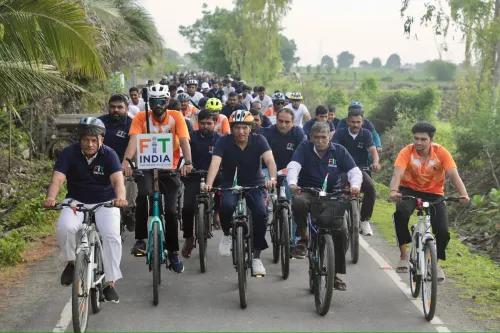
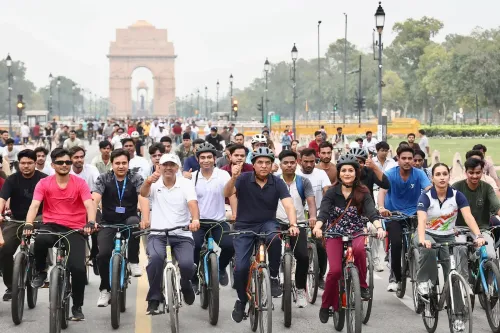
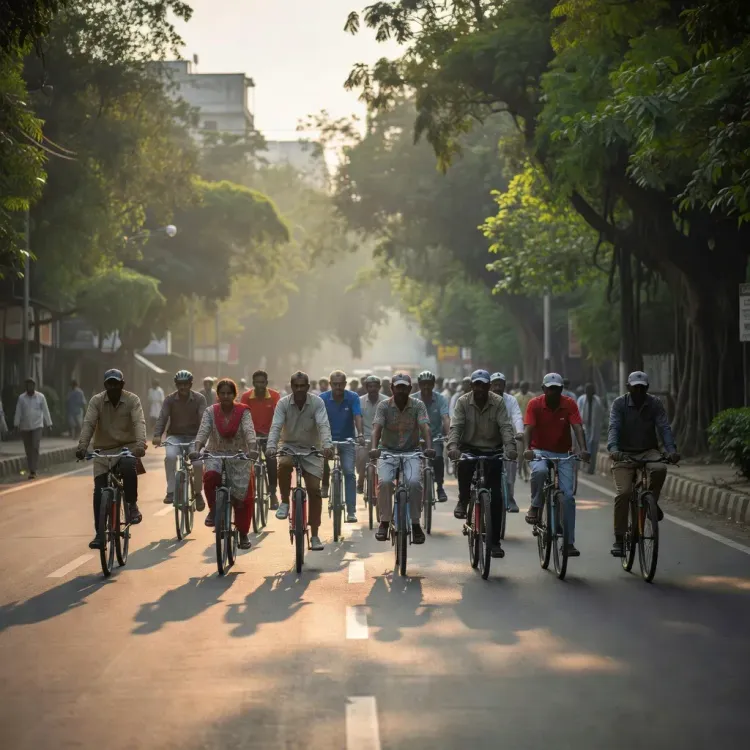
Sports Minister Mansukh Mandaviya tied India's Fit India SundaysOnCycle campaign to COP31, arguing that mass cycling initiatives advance both public health and urban climate sustainability — framing a domestic fitness drive as a global climate model.
Key Takeaways
Minister Mansukh Mandaviya posted on 15 November 2026 connecting Fit India SundaysOnCycle to the COP31 climate conference.
The Fit India Movement was launched by PM Narendra Modi on 29 August 2019 to promote mass participation in physical activity.
SundaysOnCycle is a weekly campaign encouraging Indians to cycle, positioned as both a fitness and low-carbon mobility initiative.
India is framing active mobility — cycling and walking — as a credible, people-driven climate intervention at the global level.
The minister's framing positions India as a provider of homegrown climate solutions, not just a signatory to external targets.
Formal COP31 announcements on Fit India metrics or sustainable-transport commitments remain to be confirmed.
A domestic fitness campaign built on the simple act of pedalling is now finding resonance on the world's most consequential climate platform. Union Labour and Sports Minister Mansukh Mandaviya on Sunday, 15 November 2026 connected India's Fit India SundaysOnCycle initiative to the global conversation at COP31, framing two-wheeled, emissions-free mobility as a bridge between personal health and planetary sustainability.
From a 2019 fitness pledge to a global climate argument
The thread runs back to 29 August 2019, when Prime Minister Narendra Modi launched the Fit India Movement with a deliberately accessible mandate — get Indians moving, without gyms, without equipment, without barriers. SundaysOnCycle became one of its most visible arms: a weekly, street-level nudge that turned neighbourhood roads into rolling declarations of intent. What began as a public-health push has quietly accumulated a second argument — every Sunday cyclist is also a zero-emission commuter, a data point in the case for active urban mobility.
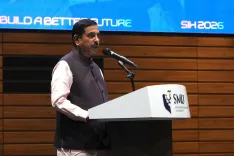
Mandaviya's post on X made that second argument explicit, stating that 'simple actions like cycling can contribute to healthier lives and sustainable cities' and that PM Modi's 'vision of making fitness a people's movement is creating an impact beyond our borders.' The minister's framing is deliberate: India is not merely a recipient of global climate prescriptions — it is arriving at COP31 with a home-grown, mass-participation model to show.
Why COP31 is the right stage for this claim
The 31st UN Climate Change Conference has placed sustainable urban development and low-carbon transport near the centre of its agenda. Active mobility — walking, cycling, non-motorised transit — has become a credible tool in the emissions-reduction toolkit for rapidly urbanising nations. India's cities, still building out their infrastructure identity, stand at exactly the crossroads where that choice matters most.
By spotlighting SundaysOnCycle at this moment, the government is effectively arguing that behaviour-change at scale — millions of Indians choosing two wheels one morning a week — is itself a climate intervention, one that costs the state almost nothing but generates visible, replicable momentum. It is a soft-power case study: a low-tech solution with a high-visibility constituency.
What to watch as COP31 unfolds
The minister's post does not announce a specific India side-event or commitment at COP31, but the signal is clear. Watch for whether India formally tables active-mobility data or Fit India metrics in its climate communications at the conference. An expansion of the SundaysOnCycle framework — perhaps tied to measurable emissions benchmarks — would transform a fitness branding exercise into a verifiable climate pledge, raising the stakes considerably for the programme's next phase.
India has rarely lacked ambition in connecting its domestic policy wins to global narratives. The question at COP31 is whether the cycling streets of Indian cities become a footnote in a speech — or the opening frame of a credible, people-first climate offer.
Point of View
The government is executing a recognisable playbook: convert a domestic policy win into an exportable soft-power narrative. The Fit India Movement has always carried a behavioural-change ambition; the COP31 framing adds a second layer — positioning India as a low-tech, high-impact climate actor at a moment when the global south is under pressure to demonstrate meaningful action without sacrificing growth. The move also quietly elevates Mandaviya's portfolio: bridging sport, health, and climate diplomacy gives the Sports Ministry a foreign-policy dimension it rarely occupies. Whether the claim holds up depends on whether India backs the rhetoric with verifiable data at COP31.
NationPress
15 Nov 2026
Frequently Asked Questions
What is Fit India SundaysOnCycle?
SundaysOnCycle is a weekly cycling campaign under the Fit India Movement, launched by Prime Minister Narendra Modi in 2019, encouraging citizens to cycle every Sunday to promote fitness and active, low-emission mobility.
What is the Fit India Movement and when was it launched?
The Fit India Movement was launched by PM Narendra Modi on 29 August 2019 to encourage regular physical activity and sports participation across India through accessible, barrier-free initiatives.
What is COP31 and why is India's cycling campaign relevant to it?
COP31 is the 31st UN Climate Change Conference, focused on global climate action. India's SundaysOnCycle campaign is relevant because cycling is a zero-emission form of transport, linking mass fitness participation to sustainable urban mobility goals.
What did Mansukh Mandaviya say about Fit India at COP31?
On 15 November 2026, Minister Mandaviya posted that PM Modi's vision of making fitness a people's movement is creating global impact, and that cycling through SundaysOnCycle contributes to healthier lives and sustainable cities.
Is India making a formal climate commitment on cycling at COP31?
As of Mandaviya's post, no specific formal commitment or side-event has been announced; the minister's statement signals India's intent to present SundaysOnCycle as a climate-relevant initiative at the conference.