What Does Kiren Rijiju Mean by the Reform Express in the Union Budget?
Synopsis
Union Minister Kiren Rijiju highlights the significance of the upcoming Union Budget 2026-27, describing it as a crucial step towards achieving the Prime Minister's vision for a developed India. This budget presentation marks a historic moment for India, blending tradition with modernity in its approach.
Key Takeaways
Reform Express: A metaphor for the government's commitment to economic transformation.
Historic Presentation: First Sunday budget presentation in Independent India.
Focus Areas: Defense, infrastructure, capital expenditure, energy, and affordable housing.
Fiscal Responsibility: Balancing growth with prudent financial management.
Modern Approach: Emphasis on technology and eco-friendliness in budget presentation.
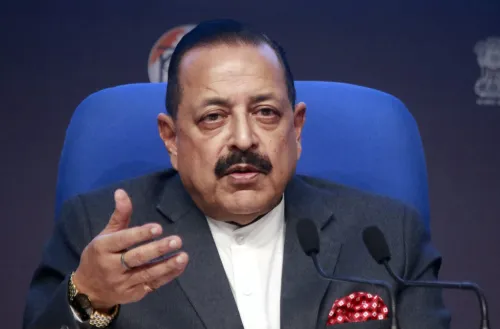
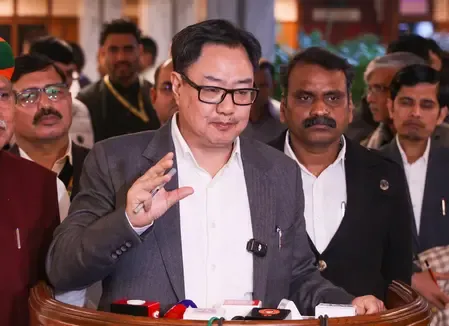
New Delhi, Feb 1 (NationPress) Union Minister Kiren Rijiju referred to the forthcoming Union Budget 2026-27 as “a destination of the Reform Express fueled by the Prime Minister’s vision of a Viksit Bharat.”
In an interview with IANS, Rijiju remarked, “The Reform Express is progressing seamlessly, and today we will witness a preview of it. This budget is designed for the entire nation; people will observe and hear, as it aims for the betterment of everyone.”
Echoing this view, Union Minister Shivraj Singh Chouhan stated, “This budget is intended for a Viksit Bharat and an Aatmanirbhar Bharat.”
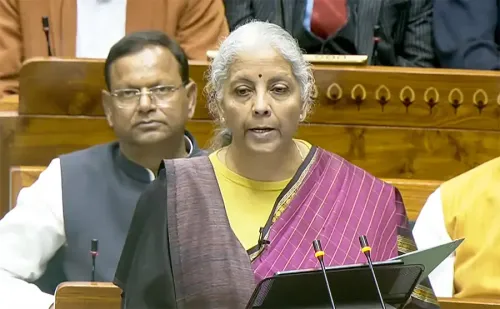
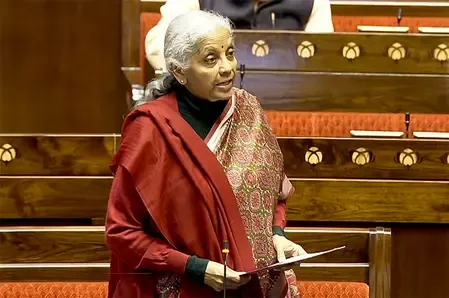
Finance Minister Nirmala Sitharaman's presentation of the Union Budget for 2026-27 in Parliament on Sunday marks a historic moment, as it is the first time an independent budget is being delivered on a Sunday in India.
This will be Sitharaman's ninth consecutive Budget presentation, making her the first female finance minister to reach this milestone, and it will also be the 15th budget of the Narendra Modi administration. Additionally, it represents the second complete budget since the NDA regained power for a third consecutive term in 2024.
To date, comprehensive income tax and GST reductions, increased infrastructure investment, and interest rate cuts by the Reserve Bank of India have supported the economy against external disruptions. However, these actions have also impacted government revenues, limiting fiscal space for new growth initiatives.
Economists predict that this year’s budget will concentrate on defense, infrastructure, capital expenditure, energy, and affordable housing, while carefully balancing social welfare priorities with fiscal responsibility. The focus, they believe, will be on maintaining growth momentum without jeopardizing fiscal consolidation.
Sitharaman continued the government's fusion of tradition and technology by bringing the Budget documents on a digital tablet encased in a red bahi-khata style pouch, showcasing the paperless format initiated under the Modi government.
She initially replaced the traditional leather briefcase in 2019 with a bahi-khata and transitioned to a digital tablet in 2021, highlighting a modern and eco-friendly approach.
Point of View
The Union Budget 2026-27 demonstrates the government’s commitment to economic reform and development. The focus on infrastructure and social welfare reflects a balanced approach to ensuring growth while maintaining fiscal responsibility. This budget is a crucial component in supporting India's long-term vision.
NationPress
23 Sept 2026
Frequently Asked Questions
What is the significance of the Union Budget 2026-27?
The Union Budget 2026-27 is seen as a pivotal step towards achieving the Prime Minister's vision of a developed India, focusing on reforms and economic growth.
Who presented the Union Budget?
The Union Budget was presented by Finance Minister Nirmala Sitharaman, marking her ninth consecutive budget presentation.
What are the key focuses of the budget?
Key areas of focus include defense, infrastructure, capital expenditure, energy, and affordable housing, with a balance between social welfare and fiscal prudence.
What is the historical significance of this budget presentation?
This budget is notable as it is the first time in Independent India’s history that a budget is being presented on a Sunday.
How does the budget incorporate technology?
The Finance Minister presented the budget using a digital tablet, emphasizing a modern and environmentally friendly approach.