Kishan Reddy highlights 12 years of India's defence transformation
Synopsis
Union Coal and Mines Minister G. Kishan Reddy marked 12 years of India's defence transformation on June 17, 2026, highlighting military modernisation, indigenous manufacturing under Atmanirbhar Bharat, and a zero-tolerance security doctrine under the Modi government.
Key Takeaways
Kishan Reddy posted on June 17, 2026 , marking 12 years of India's defence and security transformation under the Modi government.
The post invokes the #12YearsOfSurakshitBharat campaign, emphasising a 'stronger, safer, and more self-reliant Bharat.' Make in India (launched September 2014 ) and the Atmanirbhar Bharat initiative placed defence manufacturing at the centre of India's economic nationalism agenda.
Structural reforms included the creation of the Chief of Defence Staff post in 2019 and successive updates to the Defence Production Policy with higher FDI caps.
Operational milestones cited in policy discourse include the 2016 surgical strikes and the 2019 Balakot airstrike as expressions of zero-tolerance doctrine.
Rising defence exports and private-sector integration through the iDEX framework mark a structural shift in India's defence industrial base.
Union Coal and Mines Minister and BJP Telangana president G. Kishan Reddy on Wednesday, June 17, 2026, shared a series of highlights marking 12 years of India's defence and security transformation, citing military modernisation, indigenous innovation, and a doctrine of zero tolerance toward national security threats.
Context
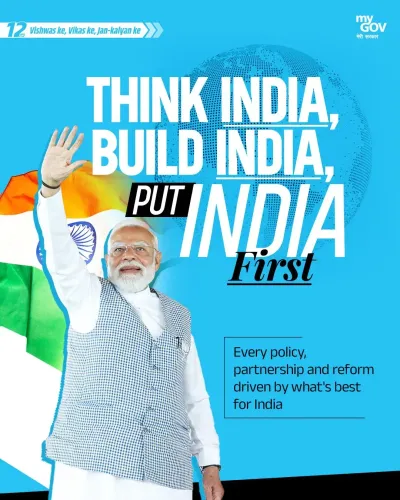
Reddy's post, tagged #12YearsOfSurakshitBharat ('12 Years of a Secure India'), frames the period since 2014 as a decisive shift in how India approaches its own defence. The post calls for a 'stronger, safer, and more self-reliant Bharat' — language that directly echoes the broader Atmanirbhar Bharat (Self-Reliant India) framework championed by the Narendra Modi-led government.
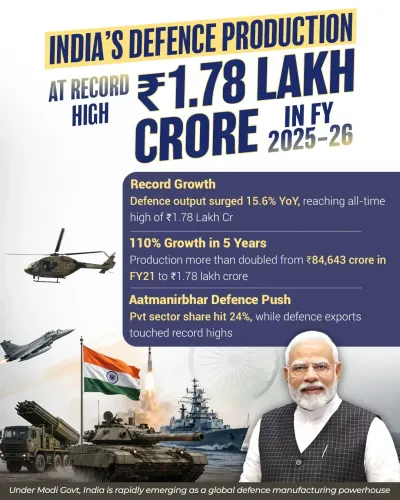
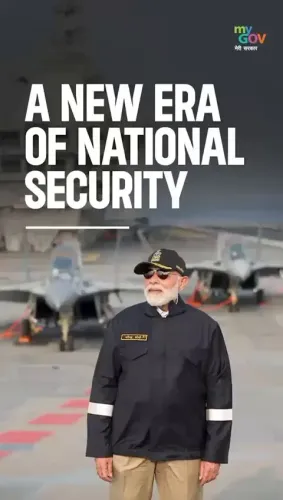
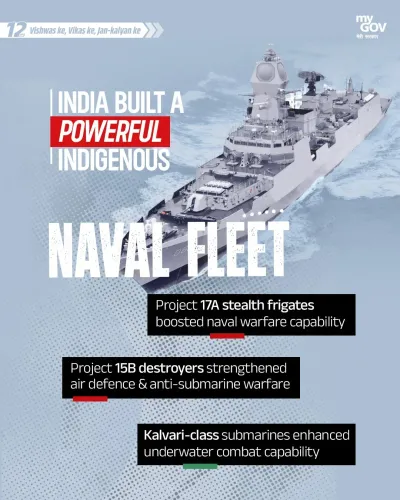
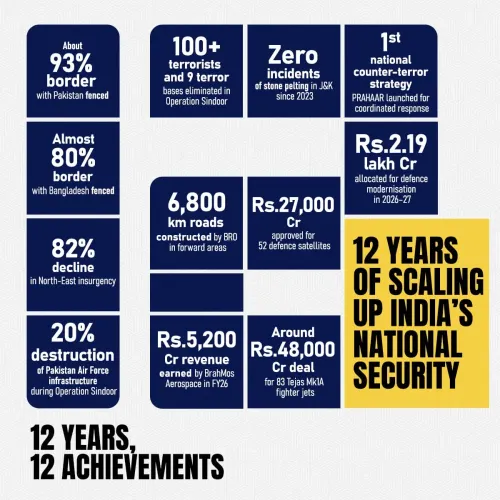
The post accompanies an image summarising what the minister describes as 'glimpses' of India's strengthened national security posture over the last 12 years. While the specific data points in the image could not be independently verified, the broad policy trajectory they reflect is well-documented.
Policy Backdrop
Make in India, launched in September 2014, placed defence manufacturing at its core, and subsequent years saw the Defence Production Policy updated with higher foreign direct investment caps and the launch of the iDEX (Innovations for Defence Excellence) framework to bring startups and private firms into the supply chain.
The Defence Research and Development Organisation (DRDO) accelerated programmes in missiles, aircraft, and propulsion systems during this period. A structural milestone came in 2019 with the creation of the Chief of Defence Staff post, aimed at integrating the three armed services under unified command. India's defence exports, once negligible, have grown substantially under this policy direction, positioning the country as an emerging supplier in global arms markets.
Operationally, the government has pointed to the 2016 surgical strikes across the Line of Control and the 2019 Balakot airstrike as concrete expressions of the zero-tolerance security doctrine Reddy references in his post.
Stakeholders and Impact
The beneficiaries of this policy shift span India's armed forces, domestic defence manufacturers — both public-sector undertakings and a growing private ecosystem — and the wider industrial base in states such as Telangana, Uttar Pradesh, and Tamil Nadu that host defence corridors.
For Telangana specifically, where Kishan Reddy serves as BJP state president, the defence manufacturing push carries direct economic relevance: the state hosts aerospace and defence units in the Hyderabad region, including facilities linked to DRDO and private aerospace firms. The minister's post can thus be read both as a national-level narrative and a locally resonant message about industrial growth.
What's Next
The Defence Ministry's upcoming annual acquisition plans and any new additions to the negative import list — which bars purchase of specified defence items from abroad to compel domestic sourcing — will be key indicators of whether the indigenisation drive deepens further. Simplification of export authorisation procedures is also anticipated in the next budget cycle, which could further lift India's profile as a defence exporter.
Reddy's post, timed to the 12-year mark of the Modi government, signals that defence self-reliance will remain a prominent political and policy theme heading into the next phase of governance — with BJP leaders across states expected to amplify the #12YearsOfSurakshitBharat messaging in the weeks ahead.
Point of View
Designed to consolidate the BJP's ownership of the national security narrative ahead of electoral cycles. The framing — 'stronger, safer, self-reliant' — knits together three distinct policy streams (force modernisation, economic indigenisation, and assertive diplomacy) into a single cohesive brand. For a minister whose primary portfolio is coal and mines, the defence messaging underscores how BJP leaders are being mobilised to amplify a whole-of-government achievement story. The durability of this narrative will depend on whether the Defence Ministry's upcoming acquisition plans and export figures continue to validate the indigenisation claims on the ground.
NationPress
19 Sept 2026
Frequently Asked Questions
What is #12YearsOfSurakshitBharat?
#12YearsOfSurakshitBharat is a BJP campaign hashtag marking 12 years of the Narendra Modi government, highlighting achievements in national security, defence modernisation, and indigenous manufacturing since 2014.
What has India achieved in defence indigenisation in the last 12 years?
Since 2014, India has updated its Defence Production Policy with higher FDI caps, launched the iDEX startup framework, created the Chief of Defence Staff post in 2019, and significantly grown defence exports, reducing dependence on imports.
What is Atmanirbhar Bharat in the context of defence?
Atmanirbhar Bharat, launched in 2020, designated defence as a priority sector for domestic manufacturing. It has led to negative import lists that bar purchase of specified items from abroad, compelling domestic sourcing.
What were the surgical strikes and Balakot airstrike?
The 2016 surgical strikes were cross-LoC operations against militant launch pads, and the 2019 Balakot airstrike targeted a militant camp in Pakistan. Both are cited by the government as examples of its zero-tolerance security doctrine.
Why is G. Kishan Reddy posting about defence when his portfolio is coal and mines?
As BJP's Telangana state president and a senior Union Minister, Kishan Reddy regularly amplifies the party's broader governance narrative. Defence self-reliance is a flagship BJP theme and all senior leaders are expected to promote it, regardless of their specific portfolio.