Kishan Reddy: ₹62,500 Cr Mobile Scheme Powers NariShakti
Synopsis
Union Minister G. Kishan Reddy highlighted the Cabinet's approval of a ₹62,500 crore mobile phone manufacturing scheme for 2026–31, citing India's export surge to ₹2.59 lakh crore and crediting women workers and social-support programmes for driving the electronics manufacturing revolution.
Key Takeaways
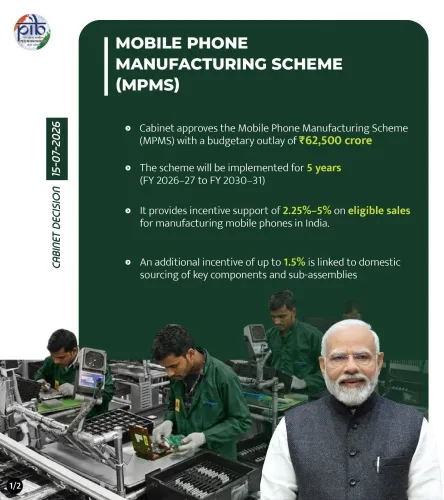
The Union Cabinet approved a mobile phone manufacturing scheme worth ₹62,500 crore covering 2026–27 to 2030–31 .
India's mobile phone exports grew from ₹1,500 crore (2014–15) to approximately ₹2.59 lakh crore (2025–26) .
Domestic mobile production reached ₹6.27 lakh crore , built on the PLI scheme foundation launched in 2020 .
Programmes cited as enabling female workforce entry include ELI, PMKVY, Sakhi Nivas hostels, crèche facilities , and labour reforms.
Implementation details — beneficiary companies and employment targets — are expected as the new scheme period begins in 2026–27 .
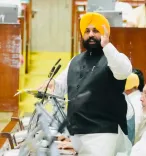
From a ₹1,500 crore export footnote to a ₹2.59 lakh crore global headline — India's mobile manufacturing story has rewritten itself in a decade, and Union Coal and Mines Minister G. Kishan Reddy says the women on the factory floor deserve much of the credit. On Monday, 3 August 2026, Reddy took to X to frame the Union Cabinet's freshly approved mobile phone manufacturing scheme — worth ₹62,500 crore over 2026–27 to 2030–31 — as not just an industrial milestone, but a story of female economic power reshaping modern India.
A ₹62,500 Crore Bet on India's Electronics Future
The Cabinet's approval extends the momentum built by the Production Linked Incentive (PLI) scheme, first launched in 2020 under the Atmanirbhar Bharat push, which offered financial incentives to manufacturers to set up or expand domestic production and slash import dependence. The results Reddy cited are striking: domestic mobile phone production has now crossed ₹6.27 lakh crore, while exports have surged from roughly ₹1,500 crore in 2014–15 to approximately ₹2.59 lakh crore in 2025–26. The new scheme, running through 2030–31, is designed to push India from assembly-line participant to higher-value global electronics hub.
NariShakti: The Workforce Behind the Numbers
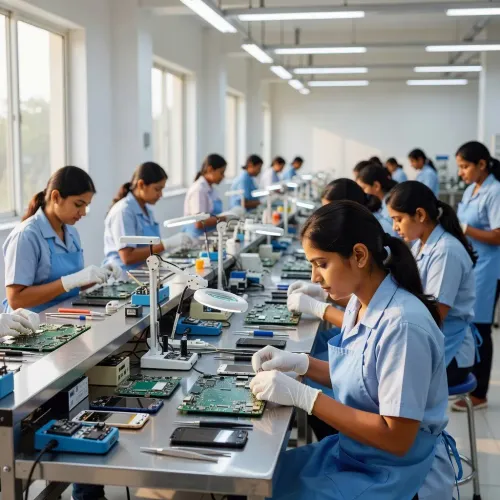
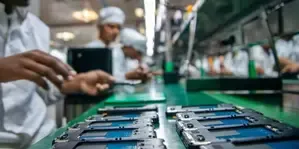
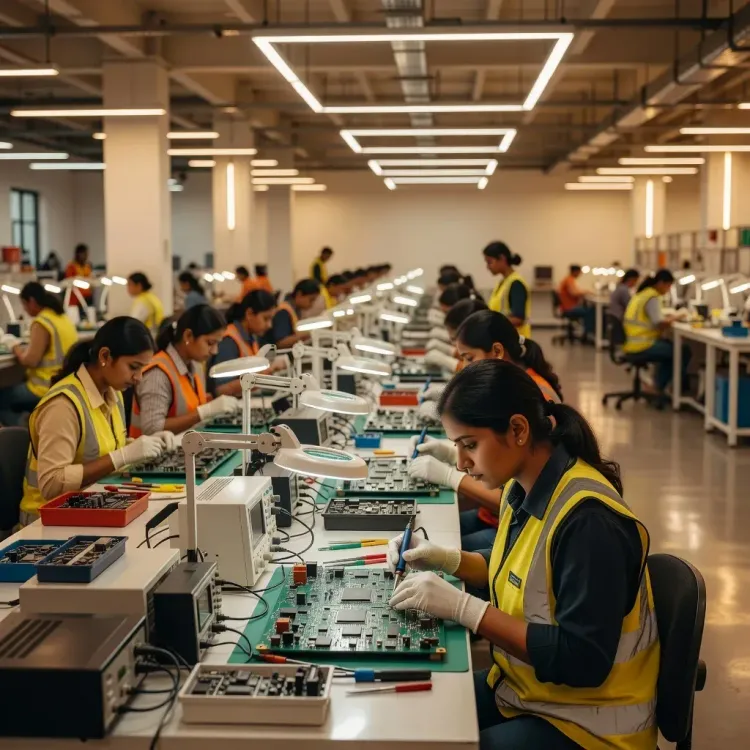
Reddy's post places women workers at the centre of this industrial transformation. He pointed to a cluster of government programmes enabling female participation at scale: the Employment Linked Incentive (ELI) scheme, the Pradhan Mantri Kaushal Vikas Yojana (PMKVY) — the flagship skill-development programme launched in 2015 — alongside Sakhi Nivas hostels, crèche facilities, safer workplace mandates, and progressive labour reforms. Together, Reddy argued, these initiatives are drawing women into electronics manufacturing 'in unprecedented numbers' (अभूतपूर्व संख्या में).
From Factory Floor to Global Market
The minister's framing connects two distinct policy tracks — industrial incentives and social infrastructure — into a single arc. The argument: you cannot fill a factory with female workers unless you also solve for childcare, safe accommodation, and skills. India's electronics sector, dominated by large assembly plants in states like Tamil Nadu and Uttar Pradesh, has already seen a significant feminisation of its workforce under the PLI era. The new scheme's implementation guidelines, beneficiary companies, and formal employment targets are expected to be detailed as the 2026–27 cycle begins.
India is no longer just assembling the world's phones. It is building the workforce — and the policy architecture — to manufacture them on its own terms.
Point of View
Electorally resonant story ahead of the new scheme cycle. By anchoring the ₹62,500 crore announcement to female workforce participation rather than just investment figures, the government signals that social infrastructure (hostels, crèches, skill training) is now being positioned as industrial policy, not welfare. The real test will be whether the new scheme's employment targets are gender-disaggregated and independently audited — details that will determine whether the NariShakti framing reflects ground reality or remains aspirational branding.
NationPress
3 Aug 2026
Frequently Asked Questions
What is the new mobile phone manufacturing scheme approved by the Cabinet?
The Union Cabinet approved a mobile phone manufacturing scheme with an outlay of ₹62,500 crore, running from 2026–27 to 2030–31, building on the earlier PLI scheme to boost domestic production and exports.
How much have India's mobile phone exports grown?
India's mobile phone exports grew from approximately ₹1,500 crore in 2014–15 to around ₹2.59 lakh crore in 2025–26, according to figures cited by Minister G. Kishan Reddy.
What is the PLI scheme for electronics?
The Production Linked Incentive (PLI) scheme for mobile and electronics manufacturing was launched in 2020 to provide financial incentives to manufacturers, reduce import dependence, and grow domestic production capacity.
How is NariShakti connected to India's electronics manufacturing?
Programmes like ELI, PMKVY skill training, Sakhi Nivas hostels, crèche facilities, and labour reforms have enabled women to join electronics manufacturing in large numbers, making female workers a central part of India's factory expansion.
What is PMKVY and how does it help women in manufacturing?
Pradhan Mantri Kaushal Vikas Yojana (PMKVY), launched in 2015, is a government skill-development programme that trains workers — including women — across sectors, improving their employability in industries like electronics manufacturing.