Kishan Reddy Tunes In to Mann Ki Baat 136 in Hyderabad
Synopsis
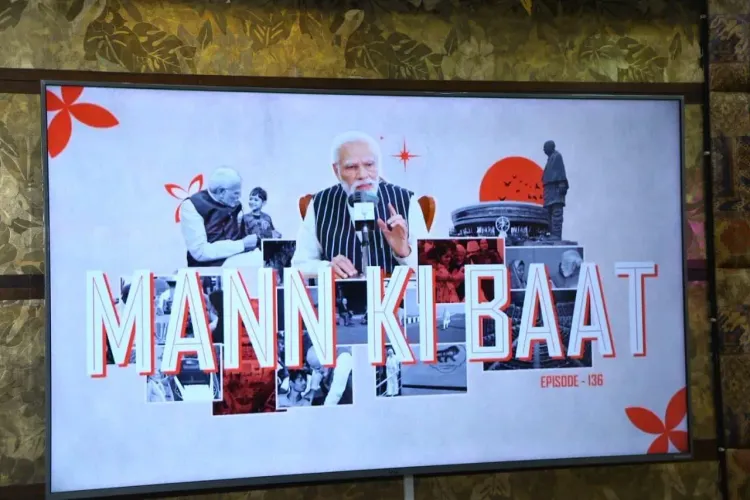
Union Minister G. Kishan Reddy joined BJP workers and residents at Polling Booth No. 214 in Kachiguda, Hyderabad, on 26 July to listen to PM Modi's Mann Ki Baat. The episode covered Kargil tributes, DRDO milestones, water conservation, the Har Ghar Tiranga campaign, and Telangana's Pochampally handloom sector.
Key Takeaways
Kishan Reddy , Union Coal and Mines Minister and BJP Telangana president, organised a community listening session for Mann Ki Baat at Polling Booth No.
214, Kachiguda, Hyderabad on 26 July 2026 .
PM Modi paid tributes to Kargil War martyrs on Kargil Vijay Diwas and remembered former President Dr.
The Prime Minister congratulated DRDO scientists on the successful testing of the Pinaka rocket system and the Kusha air defence system.
Har Ghar Tiranga and Catch the Rain campaigns were highlighted ahead of Independence Day on 15 August 2026 .
PM Modi spotlighted Pochampally fabrics of Telangana while discussing the flourishing handloom sector.
Citizens were urged to celebrate Ganesh Utsav with eco-friendly idols and to participate enthusiastically in Independence Day observances.
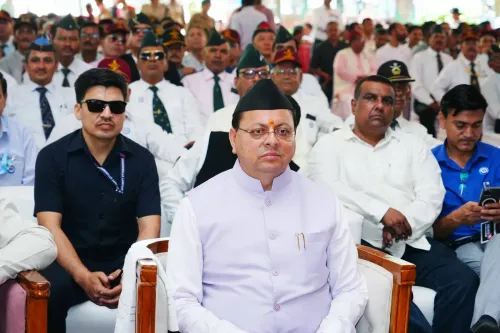
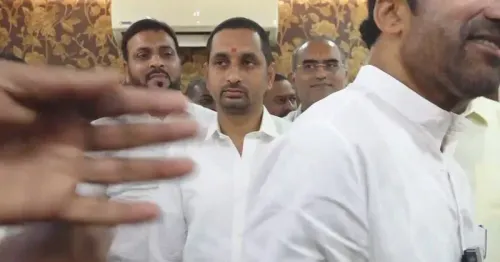
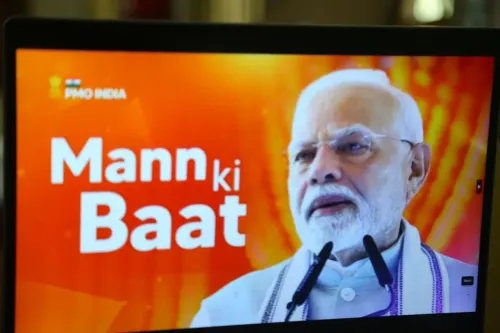
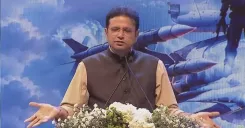
Union Coal and Mines Minister G. Kishan Reddy joined BJP party workers, booth-level leaders, and residents of Kachiguda, Hyderabad, on Sunday, 26 July 2026, to listen collectively to the latest episode of Prime Minister Narendra Modi's monthly radio programme Mann Ki Baat. The gathering was organised at Polling Booth No. 214, reflecting the party's grassroots outreach model of holding community listening sessions across constituencies.
Context
The episode brought together themes of national security, science, water conservation, cultural heritage, and the upcoming Independence Day on 15 August. Prime Minister Modi opened with tributes to the martyrs of the Kargil War of 1999, whose annual commemoration — Kargil Vijay Diwas — falls on 26 July. He also remembered former President and scientist Dr. A.P.J. Abdul Kalam, whose death anniversary is observed in late July, underscoring the episode's tone of national remembrance.
On the science and defence front, the Prime Minister highlighted what Reddy described as 'the success story of Vikram-I' and congratulated Defence Research and Development Organisation (DRDO) scientists on the successful testing of the Pinaka rocket system and the Kusha air defence system — milestones in India's push for defence indigenisation.
Policy Backdrop
Mann Ki Baat was launched in October 2014 as a direct-communication channel between the Prime Minister and citizens, broadcast on All India Radio and simulcast across digital platforms. The programme has consistently served as a platform to amplify ongoing government schemes alongside cultural and civic messaging.
Two environmental and civic campaigns featured prominently. The Catch the Rain initiative — launched in 2021 under the Ministry of Jal Shakti to promote rainwater harvesting and address water scarcity — was highlighted alongside the Waste to Wealth initiative focused on converting waste into usable resources. The Prime Minister also urged citizens to participate in the Har Ghar Tiranga campaign, which encourages households to hoist the national flag ahead of Independence Day. The campaign was first introduced in 2022 as part of the Azadi Ka Amrit Mahotsav celebrations and has been observed annually since.
On culture and education, PM Modi lauded India's performance at the International Olympiads and called for celebrating Ganesh Utsav with eco-friendly idols, linking festive traditions to environmental responsibility. The handloom sector received dedicated attention, with the Prime Minister specifically naming Pochampally — a town in Telangana renowned for its distinctive ikat weave — as an example of a flourishing regional textile cluster.
Stakeholders and Impact
For Kishan Reddy, who is also the BJP Telangana state president, the public listening session at a polling booth in his home city of Hyderabad carries dual significance: it reinforces party organisation at the booth level while amplifying the Prime Minister's messaging in a state where the BJP is seeking to expand its footprint. The reference to Pochampally fabrics is particularly resonant for Telangana, where the handloom sector supports a significant number of weavers and artisans.
DRDO scientists and defence establishment stakeholders stand to benefit from the public recognition extended by the Prime Minister, while the Catch the Rain and Har Ghar Tiranga campaigns depend heavily on citizen participation driven by exactly such mass-outreach moments.
What's Next
With Independence Day on 15 August 2026 weeks away, the Har Ghar Tiranga campaign is expected to intensify, with participation metrics likely to be cited by the government as a measure of civic engagement. The spotlight on DRDO's Pinaka and Kusha testing could precede formal announcements on induction timelines or further trials. The Pochampally mention may also translate into renewed focus on the cluster under national textile promotion schemes ahead of upcoming trade events.
Point of View
Turning a national broadcast into a hyperlocal party-building exercise. The episode's content — spanning defence indigenisation, water conservation, and cultural campaigns — reflects the government's recurring playbook of bundling security achievements with civic outreach ahead of a high-visibility national occasion like Independence Day. The specific mention of Pochampally fabrics in a national broadcast is a politically calibrated nod to Telangana, a state the BJP is actively courting. Taken together, the event illustrates how Mann Ki Baat functions simultaneously as a policy communication tool and an organisational asset for the ruling party.
NationPress
24 Oct 2026
Frequently Asked Questions
What was discussed in Mann Ki Baat on 26 July 2026?
PM Modi paid tributes to Kargil martyrs, congratulated DRDO scientists on the testing of Pinaka and Kusha systems, spoke about the Catch the Rain and Waste to Wealth initiatives, remembered Dr. A.P.J. Abdul Kalam, highlighted India's International Olympiad performance, and urged citizens to participate in the Har Ghar Tiranga campaign ahead of Independence Day.
Where did Kishan Reddy watch Mann Ki Baat?
Kishan Reddy watched the episode at Polling Booth No. 214 in Kachiguda, Hyderabad, along with BJP party workers and local residents.
What is the Har Ghar Tiranga campaign?
Har Ghar Tiranga is a government campaign that encourages every household to hoist the national flag ahead of Independence Day on 15 August. It was first launched in 2022 as part of the Azadi Ka Amrit Mahotsav celebrations.
Why did PM Modi mention Pochampally in Mann Ki Baat?
PM Modi highlighted Pochampally — a town in Telangana famous for its traditional ikat handloom fabrics — as an example of a flourishing regional textile cluster, as part of a broader discussion on the growth of India's handloom sector.
What is the Catch the Rain campaign?
Catch the Rain is a water conservation initiative launched in 2021 under the Ministry of Jal Shakti. It focuses on rainwater harvesting and encouraging public participation to address water scarcity across India.