Kishan Reddy Hails Skill India, Startups on #12YearsOfYuvaShakti
Synopsis
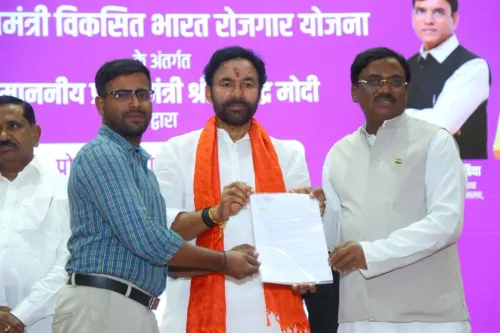
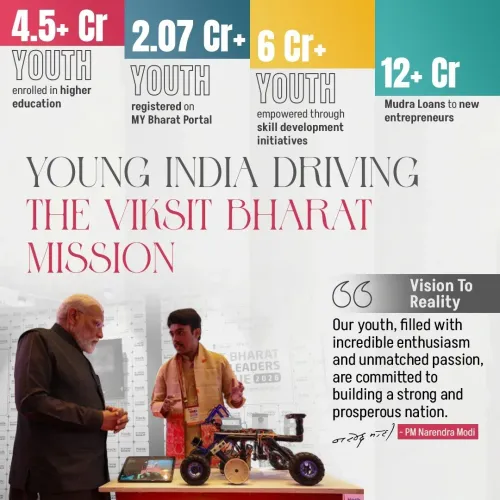
Union Minister G. Kishan Reddy on 13 June 2026 credited PM Modi's Skill India Mission and Startup India push with shifting crores of Indian youth from job-seekers to job-creators, framing it as a foundation for the Viksit Bharat 2047 vision under the hashtag #12YearsOfYuvaShakti.
Key Takeaways
Union Coal and Mines Minister G.
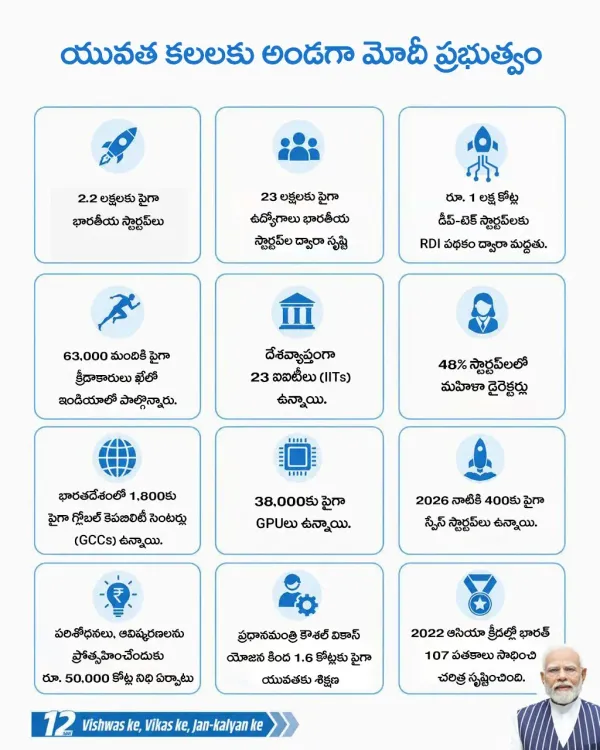
Kishan Reddy posted on 13 June 2026 under #12YearsOfYuvaShakti celebrating twelve years of youth-focused governance under PM Modi.
He credited the Skill India Mission , launched in July 2015 , with providing industry-aligned vocational training to crores of youth nationwide.
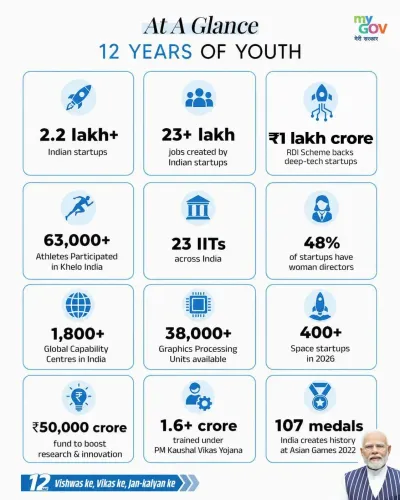
Kishan Reddy highlighted the surge in startups as evidence of youth transitioning from job-seekers to job-providers under the Startup India initiative.
Both missions are framed as pillars of the Viksit Bharat vision — India's goal to become a developed nation by 2047 .
The post carries political significance for Telangana , where Kishan Reddy serves as BJP state president and Hyderabad anchors a growing startup ecosystem.
Union Coal and Mines Minister and BJP Telangana president G. Kishan Reddy on Saturday, 13 June 2026 credited Prime Minister Narendra Modi's leadership for transforming India's youth from job-seekers into job-creators, citing the Skill India Mission and the rapid growth of startups across the country.
Context
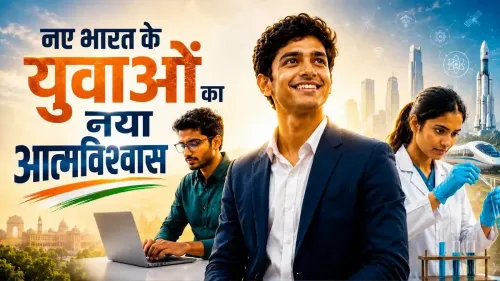
Posting under the hashtag #12YearsOfYuvaShakti (12 Years of Youth Power), Kishan Reddy wrote in Telugu that 'crores of youth are receiving industry-aligned skill training through the Skill India Mission, marking the beginning of a great transformation across the nation.' The post marks what the BJP frames as twelve years of youth-focused governance under Modi.
He added that the number of startups in India is 'growing significantly' under the Prime Minister's encouragement, enabling young people to rise from seeking employment to providing it — a shift the party has consistently highlighted as a structural change in India's economic culture.
Policy Backdrop
The Skill India Mission was launched in July 2015 with an original target of skilling 400 million people by 2022, designed to align vocational training with the needs of industry sectors ranging from manufacturing to services. It sits alongside the Make in India programme, announced in September 2014, which sought to create demand for skilled labour in domestic manufacturing.
The Startup India initiative, announced in January 2016, complemented these efforts by easing business formation, improving access to funding, and reducing regulatory compliance burdens for new ventures. Together, these programmes form the backbone of the central government's strategy to convert India's demographic dividend — one of the world's largest youth populations — into sustained economic output.
The overarching policy narrative has increasingly been anchored to Viksit Bharat (Developed India), the government's vision to make India a fully developed nation by 2047, the centenary of independence. Youth skill development and entrepreneurship are positioned as the two primary engines driving that goal.
Stakeholders and Impact
The primary beneficiaries of these interlocking missions are India's young population, aspiring entrepreneurs, and the industry sectors that absorb or are created by skilled workers. The shift in framing — from youth as job-seekers to youth as job-providers — reflects a broader government push to reduce pressure on public-sector employment and expand the private enterprise ecosystem.
For Telangana, where Kishan Reddy serves as BJP state president, the message carries additional political weight. The state has an active startup ecosystem, particularly centred on Hyderabad, and skill development has been a competitive policy arena between the state and central governments.
What's Next
Attention will turn to the next Union Budget for allocations under Skill India 2.0 and any new incentives under the Startup India framework. Parliamentary debates on placement rates from skill programmes and the pace of unicorn creation will serve as key benchmarks for whether the policy ambition is translating into measurable outcomes.
As the BJP builds its narrative around twelve years of youth-oriented governance, posts like Kishan Reddy's signal that the Viksit Bharat framing will remain central to the party's political messaging heading into future electoral cycles.
Point of View
Election-ready message. Whether the narrative holds will depend on how the next budget addresses Skill India 2.0 funding and verifiable placement outcomes.
NationPress
13 Sept 2026
Frequently Asked Questions
What is the Skill India Mission and how does it help youth?
The Skill India Mission, launched in July 2015, provides industry-aligned vocational training to millions of Indian youth, aiming to make them employment-ready across sectors from manufacturing to services. It was originally targeted at skilling 400 million people by 2022.
What did G. Kishan Reddy say about startups in India?
Kishan Reddy said that under PM Modi's encouragement, the number of startups in India is growing significantly, enabling youth to move from seeking jobs to creating jobs for others.
What is Viksit Bharat and why is it linked to youth policy?
Viksit Bharat is the central government's vision to transform India into a fully developed nation by 2047, the centenary of independence. Youth skill development and entrepreneurship are positioned as the primary engines for achieving this goal.
What is #12YearsOfYuvaShakti?
#12YearsOfYuvaShakti is a BJP hashtag marking twelve years of what the party describes as youth-focused governance under Prime Minister Narendra Modi, used to highlight programmes like Skill India and Startup India.
What is the Startup India initiative?
Startup India, announced in January 2016, is a government initiative designed to ease business formation, improve access to funding, and reduce regulatory burdens for new ventures, with the goal of fostering a job-creating entrepreneurial culture among Indian youth.