Rajnath Singh Hails 12 Years of Youth Empowerment Under Modi
Synopsis
Defence Minister Rajnath Singh marked 12 years of the Modi government's youth agenda on 13 June 2026, crediting Skill India, Startup India, and Khelo India with turning India's young generation from opportunity-seekers into opportunity-creators. He called Yuva Shakti the driving force of India's present, not just its future.
Key Takeaways
Rajnath Singh posted on 13 June 2026 marking 12 years of Yuva Shakti under the Modi government .
He identified five pillars of youth empowerment: education, skill development, innovation, entrepreneurship, and sports.
The Skill India Mission (2015) targeted vocational training for over 400 million people ; Startup India (2016) created a framework for young founders.
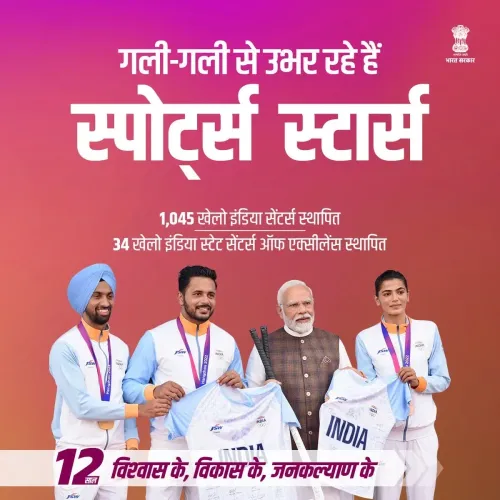
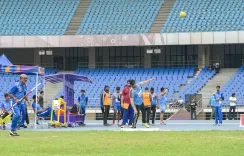
The Khelo India scheme (2017) was launched to identify and nurture athletic talent across states.
Singh declared 'Yuva Shakti is not merely the future of India; it is the driving force of India's present.' Youth outcomes are tied to the government's broader Viksit Bharat 2047 developed-nation target.
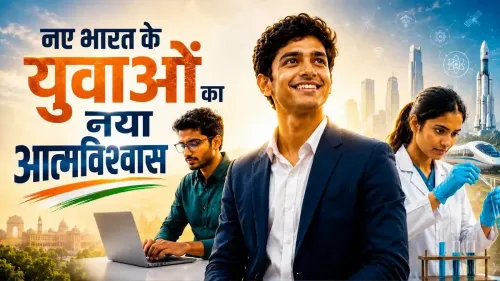
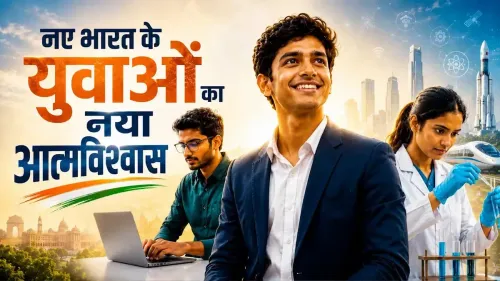
Union Defence Minister Rajnath Singh on Saturday, 13 June 2026 credited Prime Minister Narendra Modi's government with transforming India's youth from opportunity-seekers into opportunity-creators, marking what he called 12 years of Yuva Shakti under the BJP-led administration. Singh posted the tribute on X, underlining education, skill development, innovation, entrepreneurship, and sports as the five pillars that have shaped this generational shift.
Context
The post, tagged #12YearsOfYuvaShakti, coincides with the BJP government completing 12 years in office at the Centre since its first election victory in May 2014. Singh wrote that 'Yuva Shakti is not merely the future of India; it is the driving force of India's present,' framing the youth not as a demographic dividend to be realised later but as an active force already reshaping the nation. The message reflects a consistent political and policy posture the ruling party has maintained since assuming office.
Singh, a senior BJP leader who has previously served as Chief Minister of Uttar Pradesh and Union Home Minister, carries significant weight when articulating the government's developmental narrative. His post draws a direct line between political leadership and youth outcomes, attributing progress to 'focused efforts' under Modi's direction.
Policy Backdrop
The government's youth-focused policy architecture was laid in the early years of the Modi administration. The National Youth Policy was revised in 2014 to concentrate on the 15-29 age group, covering education, skill development, and civic participation. A year later, the Skill India Mission was launched with an ambition to provide market-relevant vocational training to over 400 million people by 2022.
The Startup India initiative, announced in 2016, created a dedicated framework for young founders, offering tax benefits and funding support to encourage innovation. On the sports front, the Khelo India scheme, initiated in 2017, was designed to identify and nurture athletic talent among school and college students across states. Together, these programmes form the scaffolding Singh references in his post.
These youth-centric schemes have been integrated with broader national missions including Digital India and Atmanirbhar Bharat, positioning young Indians as both beneficiaries and agents of the government's 2047 Viksit Bharat developed-nation target.
Stakeholders and Impact
The primary stakeholders are India's vast youth population, estimated to be the largest in the world, along with young entrepreneurs, students, athletes, and first-generation skilled workers who have engaged with government programmes over the past decade. Singh's framing — 'from seeking opportunities to creating them' — signals a narrative shift from welfare to agency, positioning beneficiaries as active contributors rather than passive recipients.
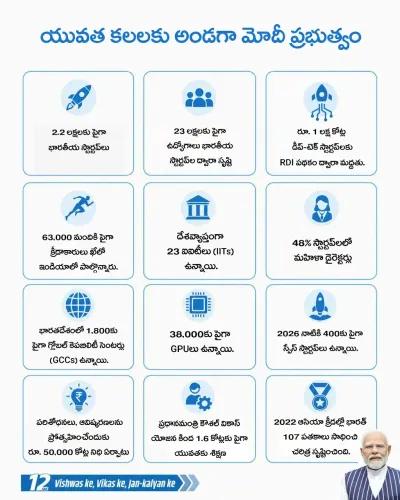
Young entrepreneurs and startup founders stand out as a particularly visible constituency. The Startup India ecosystem has grown substantially since 2016, with India now ranking among the top global startup nations. Skill-certified workers and Khelo India athletes represent two other large cohorts whose trajectories are directly tied to the policy investments Singh highlights.
What's Next
The Ministry of Skill Development and Entrepreneurship is expected to publish updated skill-certification and youth-employment data in the next Union Budget cycle, which will provide a clearer statistical picture of programme outcomes. The government's commitment, as articulated by Singh, to 'nurturing the aspirations, talent and energy of every young Indian' suggests continued policy prioritisation of this demographic in the run-up to the 2047 centenary of independence. How effectively the demographic dividend translates into measurable workforce participation and innovation output will remain the key metric by which these 12 years of investment are ultimately judged.
Point of View
Arriving precisely at the 12-year mark of the Modi government and anchoring the BJP's youth narrative ahead of future electoral cycles. By framing young Indians as 'driving forces of the present' rather than future beneficiaries, the party signals a maturation of its demographic-dividend argument — moving from promise to claimed delivery. The invocation of Skill India, Startup India, and Khelo India in a single breath reinforces the government's effort to present a cohesive, multi-domain youth agenda rather than isolated schemes. The post also subtly positions senior BJP leaders like Singh as custodians of this agenda, broadening the party's youth-policy voice beyond the Prime Minister alone.
NationPress
22 Sept 2026
Frequently Asked Questions
What is Yuva Shakti and why is Rajnath Singh talking about it?
Yuva Shakti, meaning 'youth power,' is the BJP government's framing for its youth empowerment agenda. Rajnath Singh used the term on 13 June 2026 to mark 12 years of the Modi government's policies targeting education, skills, entrepreneurship, innovation, and sports for young Indians.
What is the Skill India Mission?
The Skill India Mission is a central government initiative launched in 2015 to provide market-relevant vocational training to over 400 million young Indians, improving their employability across sectors.
What is Startup India?
Startup India is a flagship government programme announced in 2016 that supports young founders and innovators through tax benefits, funding access, and a simplified regulatory framework to encourage entrepreneurship.
What is the Khelo India scheme?
Khelo India is a sports development scheme launched in 2017 to identify and nurture athletic talent among school and college students across India, with government funding for training and competition.
How does the government's youth policy connect to Viksit Bharat 2047?
The Modi government has positioned its youth-focused schemes — Skill India, Startup India, Khelo India, and Digital India — as building blocks for achieving developed-nation status by 2047, the centenary of Indian independence, by converting the country's large youth population into a productive economic and innovation force.