Kishan Reddy Chairs Cross-Party Coal and Mines Consultative Meet
Synopsis
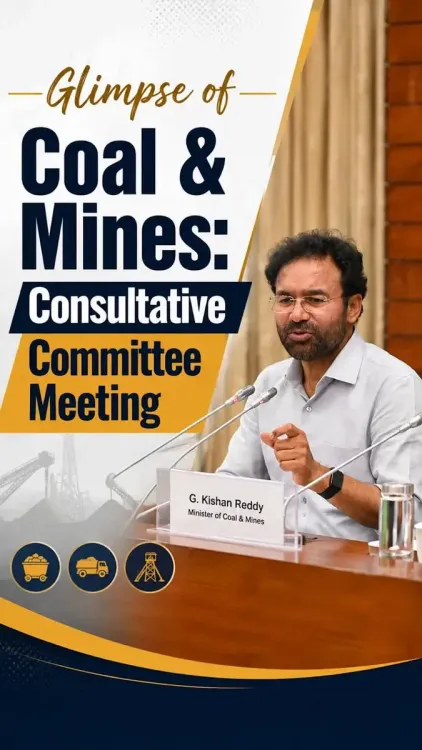
Union Coal and Mines Minister G. Kishan Reddy convened a cross-party Consultative Committee Meeting in New Delhi on August 7, 2026, providing MPs from across party lines a structured forum to exchange ideas on strengthening India's coal and mines sectors.
Key Takeaways
Union Coal and Mines Minister G.
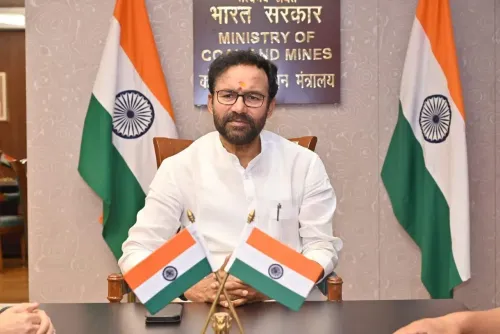
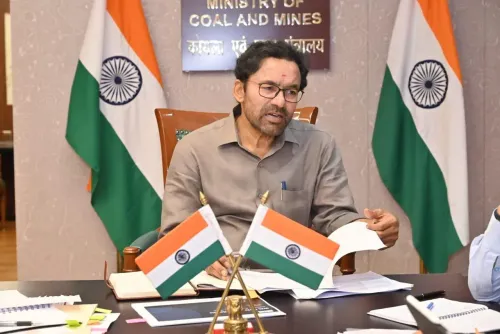
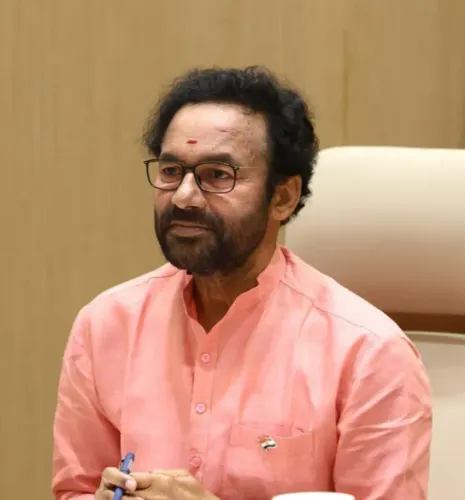
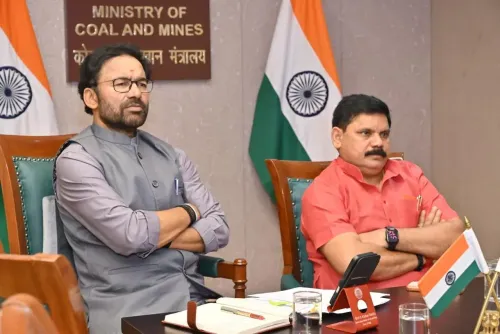
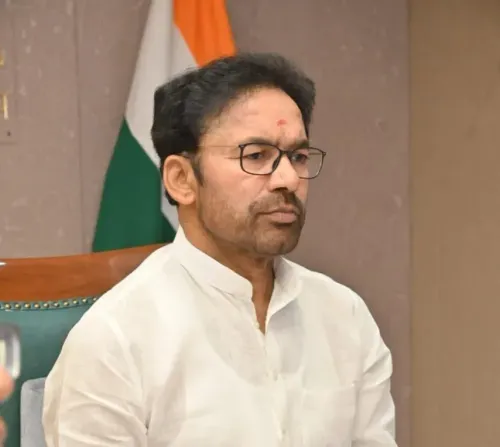
Kishan Reddy chaired the Consultative Committee Meeting of the Ministry of Coal and Ministry of Mines in New Delhi on August 7, 2026 .
Members of Parliament from across party lines participated, reflecting the cross-partisan design of parliamentary consultative committees.
Parliamentary consultative committees have functioned as a minister-MP dialogue channel since the 1950s , operating outside formal legislative proceedings.
Coal and mines are strategically critical sectors — coal underpins India's power grid while the mines portfolio governs critical mineral supply chains.
Specific agenda items, participating MPs, and meeting outcomes have not been officially disclosed; any proposals may surface in subsequent parliamentary sessions or ministry notifications.
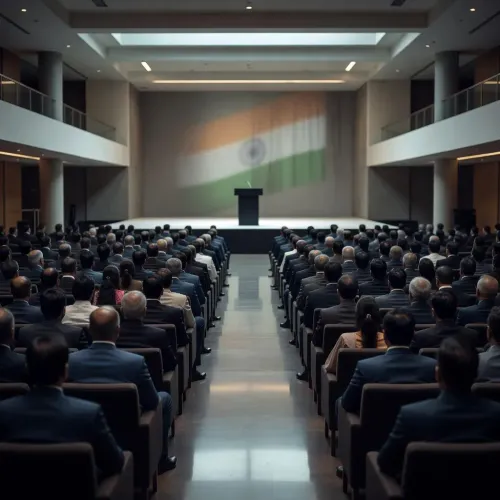
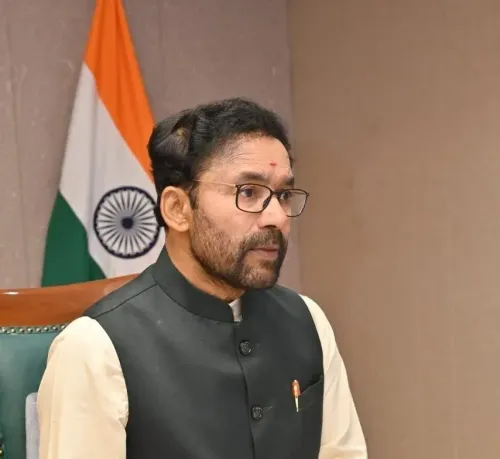
A cross-party conversation on two of India's most strategically vital sectors convened in New Delhi on Friday, August 7, 2026, as Union Coal and Mines Minister G. Kishan Reddy hosted the Consultative Committee Meeting of the Ministry of Coal and Ministry of Mines, bringing Members of Parliament from across party lines to the same table.
Reddy described the session as 'a valuable platform for the exchange of ideas,' sharing glimpses of the meeting on social media and tagging both ministries.
A Parliament-Ministry Bridge Built in the 1950s
Parliamentary consultative committees are not a new invention — they date back to the 1950s, designed precisely for moments like this: structured, off-floor dialogue between ministers and elected representatives that bypasses the adversarial theatre of the House. The format lets MPs raise sector-specific concerns, review performance, and flag legislative gaps without the formality — or the gridlock — of a full parliamentary debate. For the Ministry of Coal and the Ministry of Mines, that mandate carries real weight. Coal remains the backbone of India's power grid, supplying the bulk of the country's electricity generation. The mines sector, meanwhile, governs the flow of critical minerals that feed steel, cement, fertiliser, and an expanding battery supply chain. Decisions made in rooms like this ripple outward fast.Why Cross-Party Attendance Matters Here
The deliberate inclusion of MPs from across party lines is more than procedural courtesy. India's coal belts and mineral-rich districts span states governed by a range of parties — Jharkhand, Odisha, Chhattisgarh, Rajasthan, Andhra Pradesh — and the legislative feedback most useful to a ministry often comes from opposition benches representing those constituencies. A consultative committee that pulls only from the ruling coalition risks missing ground-level friction. Reddy, who also serves as BJP Telangana state president, chairs both ministries and has been navigating a coal sector under pressure to expand domestic output while the mines portfolio manages a push to accelerate critical mineral auctions. The specific agenda items, participating MPs, and any outcomes from this particular session have not been officially detailed — but such meetings typically feed into subsequent parliamentary session discussions or ministry notifications, making them early signals worth tracking.Point of View
Bringing opposition MPs into structured dialogue is tactically useful — it pre-empts legislative friction and builds shared ownership of sector outcomes. The meeting also signals that both ministries are in an active policy-review phase, not a holding pattern. Watch for whether any legislative amendments or new auction frameworks emerge in the next parliamentary session.
NationPress
7 Aug 2026
Frequently Asked Questions
What is the Consultative Committee Meeting of the Ministry of Coal and Mines?
It is a structured forum where the Union Minister of Coal and Mines meets Members of Parliament from across party lines to discuss sector policy, review performance, and exchange ideas outside formal parliamentary proceedings. Such committees have existed since the 1950s.
Who chaired the Coal and Mines Consultative Committee Meeting in August 2026?
Union Coal and Mines Minister G. Kishan Reddy chaired the meeting, which was held in New Delhi on August 7, 2026 .
Why are MPs from different parties included in these consultative meetings?
India's coal and mineral-rich districts span states governed by various parties. Including opposition MPs ensures ground-level feedback from constituencies most affected by sector policy, reducing legislative friction and broadening policy input.
What sectors do the Ministry of Coal and Ministry of Mines oversee?
The Ministry of Coal handles coal sector policy, exploration, and production oversight, which directly supports India's power generation. The Ministry of Mines manages mineral policy, mining leases, and geological survey functions, including critical minerals essential for steel, cement, and battery supply chains.
What outcomes came from the August 2026 Coal and Mines consultative committee meeting?
The specific agenda items and outcomes have not been officially disclosed. Any policy suggestions or legislative proposals from the meeting are expected to surface in subsequent parliamentary sessions or through ministry notifications.