Kishan Reddy Highlights Mann Ki Baat's Viksit Bharat Vision
Synopsis
Union Coal and Mines Minister G. Kishan Reddy shared highlights from the latest Mann Ki Baat episode, spotlighting Modhera as India's first Surya Gram and citizen-led stories from rural hockey courts to women's SHG enterprises in Pratapgarh, framing them as pillars of the Viksit Bharat vision.
Key Takeaways
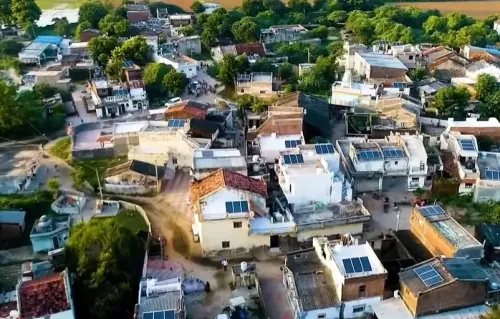
Modhera, Gujarat was highlighted as India's first 'Surya Gram', inaugurated as a fully solar-powered village in 2022 .
PM Modi connected India's traditional reverence for the Sun with its modern renewable energy agenda in the Mann Ki Baat episode.
Citizen story of Rajinder Singh Senior Ji nurturing village hockey talent was spotlighted by the Prime Minister.
Women's Self-Help Groups in Pratapgarh generating income through amla processing were cited as a grassroots entrepreneurship model.
Mann Ki Baat , launched in October 2014 , has consistently used citizen stories to link cultural identity with contemporary policy themes.
Minister Reddy framed the episode as evidence that the Viksit Bharat vision — developed India by 2047 — is already taking shape at the community level.
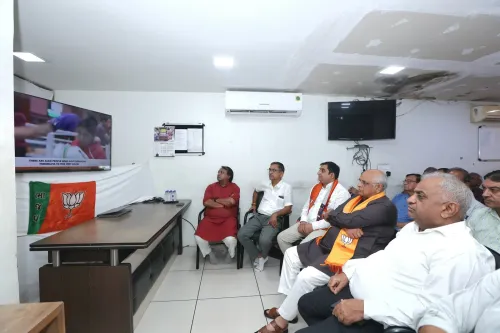
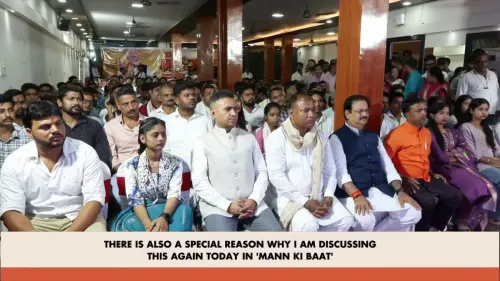
From a solar-powered village in Gujarat to hockey courts in rural Punjab and amla cooperatives in Pratapgarh, the latest episode of Mann Ki Baat stitched together a portrait of grassroots India that Union Coal and Mines Minister G. Kishan Reddy amplified on Sunday, September 27, 2026 — calling the broadcast a reflection of a nation building itself from the ground up.
Modhera's solar story — where tradition meets the energy transition
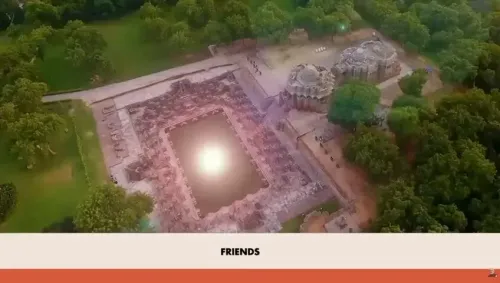
At the heart of the episode was Modhera, the Gujarat village that became India's first 'Surya Gram' after its solar-powered infrastructure was inaugurated in 2022. Prime Minister Narendra Modi used the village's journey to draw a line between India's ancient reverence for the Sun — embedded in temple architecture and ritual — and its 21st-century commitment to renewable energy. The framing was deliberate: faith, science, and sustainability as a single continuum, not competing ideas.
Reddy echoed the Prime Minister's message, noting that Modhera 'reflects how India's connection with the Sun represents not only faith and tradition, but also light, energy, science and a commitment to a sustainable future.' For a minister overseeing the coal sector's managed transition, the symbolism carries extra weight.
Citizen stories: hockey in villages, amla in kitchens
The episode's second strand was resolutely human. PM Modi spotlighted Rajinder Singh Senior Ji, who has been nurturing young hockey talent in villages — a reminder that India's Olympic sport still draws its lifeblood from rural lanes. He also highlighted farmers and women's Self-Help Groups in Pratapgarh who are generating income through amla processing, turning a local crop into a community enterprise.
These were not ornamental anecdotes. They fit the recurring architecture of Mann Ki Baat — the monthly radio programme PM Modi launched in October 2014 — which has consistently used citizen stories to validate policy themes without the formality of a press briefing. The message: Viksit Bharat is not only a government plan; it is already happening in backyards and village grounds.
Mann Ki Baat as the connective tissue of Viksit Bharat
Reddy's post placed the episode within the larger Viksit Bharat framework — the government's vision for a developed, self-reliant India by 2047. He listed the episode's thematic pillars: national responsibility, the courage of the armed forces, women's empowerment, youth participation, scientific innovation, and citizen-led initiative. Each maps onto a declared policy priority; the broadcast is also, in this reading, a report card in narrative form.
Successive Mann Ki Baat episodes have followed a similar grammar — pairing cultural motifs with contemporary development themes — and the Surya Gram spotlight fits a broader push to scale solar village projects across states. Whether that model expands beyond Modhera into a national programme is the question that budget cycles and state energy departments will eventually have to answer.
A village lights itself with the Sun. A minister retells the story for millions online. The grassroots and the national stage have rarely looked this deliberately connected — and that connection is precisely the point.
Point of View
Extending reach without adding independent policy content. The Modhera framing is especially strategic — positioning solar energy as a cultural continuum rather than a disruptive transition helps manage public sentiment around India's complex shift away from coal, a sector Reddy himself oversees. The citizen-story format also insulates the government from statistical scrutiny; anecdotes of individual empowerment are harder to dispute than aggregate data. Whether these narratives translate into measurable expansion of the Surya Gram model or SHG support programmes remains the real policy test ahead.
NationPress
27 Sept 2026
Frequently Asked Questions
What is Modhera Surya Gram and why is it significant?
Modhera is a village in Gujarat recognised as India's first 'Surya Gram' — a fully solar-powered village — after its solar infrastructure was inaugurated in 2022. It is significant as a model for rural renewable energy adoption that the government is showcasing nationally.
What is Mann Ki Baat and when did it start?
Mann Ki Baat is a monthly radio programme hosted by Prime Minister Narendra Modi to communicate directly with citizens on governance, policy themes, and inspiring citizen stories. It was launched in October 2014.
What is Viksit Bharat?
Viksit Bharat is the Indian government's vision for a developed, self-reliant India by 2047, emphasising infrastructure modernisation, inclusive growth, scientific innovation, and community-led progress.
What did PM Modi highlight about women's SHGs in Pratapgarh?
PM Modi spotlighted women's Self-Help Groups in Pratapgarh who are generating new income opportunities through amla processing, citing it as an example of grassroots entrepreneurship and women's economic empowerment.
Why did Kishan Reddy post about Mann Ki Baat?
As BJP Telangana state president and Union Coal and Mines Minister, G. Kishan Reddy shared highlights from the episode to amplify the Prime Minister's messaging on sustainable development, citizen initiatives, and the Viksit Bharat vision to his own social media audience.