PM Modi on Modhera: Sun Temple's 1,000-year journey to India's first solar village
Synopsis
In the 138th Mann Ki Baat, PM Modi drew a 1,000-year arc — from Mahmud of Ghazni's attack on the Modhera Sun Temple in 1026 CE to the village's rebirth as India's first fully solar-powered settlement. It is a rare moment where ancient civilisational pride and modern energy policy are woven into a single, politically resonant narrative.
Key Takeaways
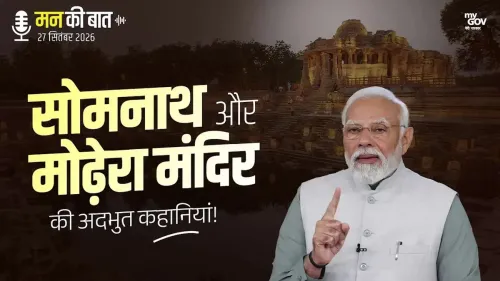
PM Modi addressed the 138th edition of Mann Ki Baat on 27 September 2026 , spotlighting Modhera in Gujarat .
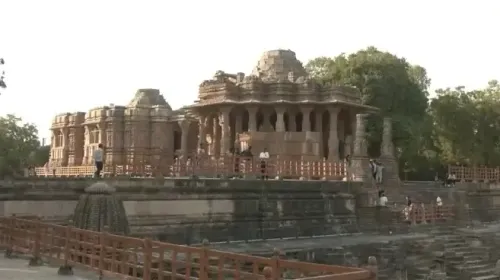
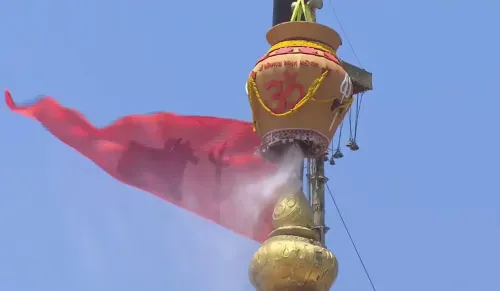
The Modhera Sun Temple was built in 1025 CE by Raja Bhimdev I and destroyed by Mahmud of Ghazni in 1026 CE — making 2026 the 1,000th anniversary of the attack.
The temple was later attacked again during the reign of Alauddin Khilji , yet its cultural legacy endured, according to Modi.
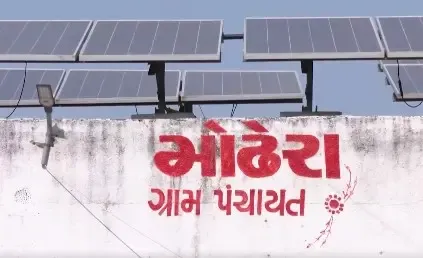
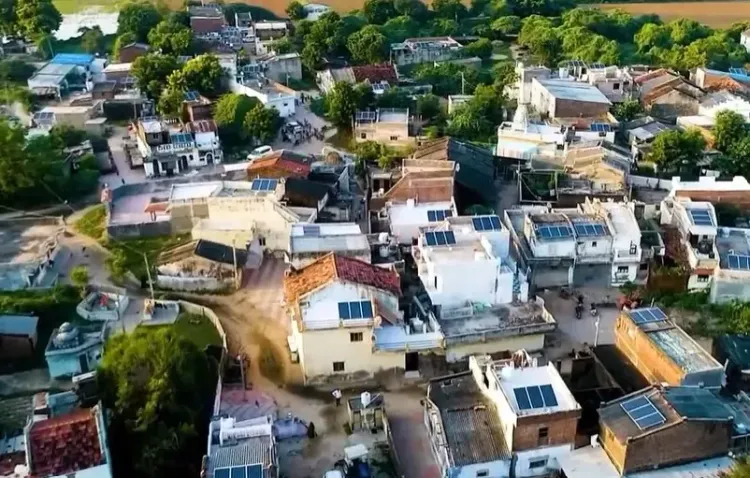
Modhera is now recognised as India's first solar-powered village , running entirely on solar energy .
Modi framed the village's solar transformation as a continuation of India's ancient reverence for the Sun, connecting civilisational heritage to modern renewable energy policy.
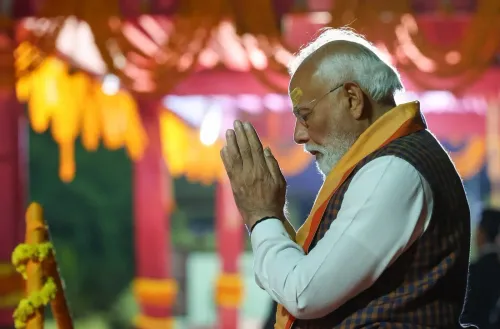
Prime Minister Narendra Modi, addressing the 138th edition of his monthly radio programme 'Mann Ki Baat' on Sunday, 27 September 2026, drew a compelling arc between the destruction of Gujarat's famed Modhera Sun Temple a millennium ago and the village's present-day identity as India's first solar-powered village. Speaking to a national audience, Modi framed Modhera's transformation as a testament to India's civilisational resilience.
The Somnath-Modhera Connection
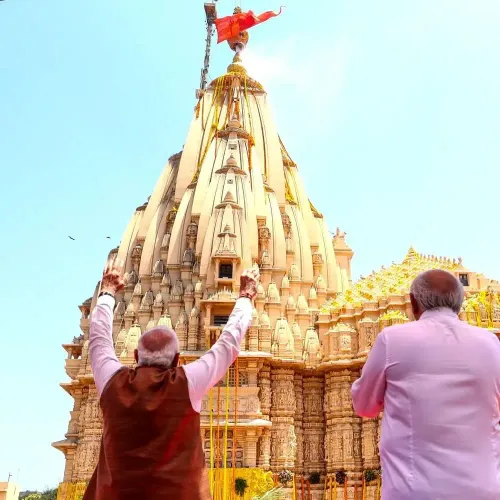
Modi opened by recalling the Somnath Swabhiman Parv, an event he described as the country beginning its year with a celebration of civilisational heritage. He invoked the 1026 CE invasion by Mahmud of Ghazni, saying the aggressors who sought to erase India's identity had themselves left no trace, while the Somnath Temple endures in its grandeur by the sea.
He then drew a direct parallel to Modhera: 'When Somnath was attacked by Ghazni in 1026, the famous Surya Mandir (Sun Temple) in Modhera, Gujarat, was also attacked in the same period and was destroyed. This year also marks 1,000 years of the Modhera Temple. At that time, it had been built only a year earlier, in 1025, by Raja Bhimdev I.'
Resilience Rebuilt Across Centuries
Modi underscored the response of Raja Bhimdev I, who not only resisted the invasion but rebuilt the Sun Temple within a short period — an act he held up as proof of the resilience that allowed India's cultural heritage to survive repeated assaults. 'It was because of this resilience that the Somnath Temple continued to be rebuilt despite being destroyed again and again,' he said.
The Prime Minister also noted that the Modhera Sun Temple faced further destruction during the reign of Alauddin Khilji in later centuries, yet the site's spiritual and cultural significance endured. Notably, 2026 marks exactly 1,000 years since those initial attacks, lending the anniversary particular weight in Modi's narrative.
From Ancient Sun Worship to Solar Energy
Pivoting from history to the present, Modi connected India's ancient reverence for the Sun — embodied in the temple's architecture — to the country's modern embrace of solar power. He said: 'The people of Bharat not only worship the Sun through architecture or temples; our worship of the Sun also signifies light, energy, science and the inspiration of continuity.'
He highlighted that Modhera today runs entirely on solar energy, making it the country's first solar-powered village — a transformation that, in his framing, carries forward the same spirit of the ancient Sun Temple that once stood at the heart of the settlement.
Broader Significance of the Mann Ki Baat Address
The 138th Mann Ki Baat episode continued Modi's practice of using the programme to blend cultural history with policy achievements, reaching millions of listeners across radio and digital platforms. The Modhera segment is part of a wider government narrative linking India's civilisational pride with its renewable-energy ambitions. The village's solar transition has been cited previously by the Centre as a model for rural electrification. How Modhera's solar infrastructure scales — and whether similar village-level models are replicated elsewhere — will be closely watched in the months ahead.
Point of View
While simultaneously crediting the Centre with a tangible renewable-energy milestone. The political craftsmanship is evident: the same village that symbolises ancient destruction now symbolises modern energy self-sufficiency, and the thread connecting them is framed as an unbroken Indian spirit rather than policy design. What mainstream coverage risks understating is that Modhera's solar-village model, however genuine, serves as a proof-of-concept for a much larger rural electrification ambition whose scale and replicability remain unverified. The cultural framing may also raise questions about historical selectivity — the focus on temple destruction as the defining civilisational narrative is a recurring motif in BJP political communication, and its presence in a non-partisan public-radio format deserves note.
NationPress
27 Sept 2026
Frequently Asked Questions
What did PM Modi say about Modhera in Mann Ki Baat?
PM Modi, in the 138th edition of Mann Ki Baat on 27 September 2026, highlighted that the Modhera Sun Temple in Gujarat was built in 1025 CE and destroyed by Mahmud of Ghazni in 1026 CE — the same period as the Somnath attack. He linked this 1,000-year-old history to Modhera's present-day identity as India's first fully solar-powered village.
When was the Modhera Sun Temple built and by whom?
The Modhera Sun Temple was built in 1025 CE by Raja Bhimdev I. According to Modi's Mann Ki Baat address, it was attacked and destroyed by Mahmud of Ghazni in 1026 CE, just a year after its construction, and was subsequently rebuilt by Raja Bhimdev I within a short period.
Why is Modhera called India's first solar village?
Modhera, a village in Gujarat, is recognised as India's first solar-powered village because it runs entirely on solar energy. The Centre has cited it as a model for rural renewable-energy adoption, and PM Modi referenced this transformation in Mann Ki Baat to illustrate how ancient solar reverence has been carried into modern energy practice.
What is Mann Ki Baat and how often does PM Modi address it?
Mann Ki Baat is PM Narendra Modi's monthly radio programme in which he addresses the nation on a range of social, cultural, and policy themes. The 27 September 2026 episode was the 138th edition of the programme, broadcast across radio and digital platforms to millions of listeners.
What was the Somnath Swabhiman Parv mentioned by Modi?
The Somnath Swabhiman Parv was an event held earlier in 2026 to mark 1,000 years since Mahmud of Ghazni's first attack on the Somnath Temple in 1026 CE. Modi used the occasion — and his reference to it in Mann Ki Baat — to contextualise the parallel history of the Modhera Sun Temple, which was attacked in the same period.