Kishan Reddy Holds University Talks on India-Australia Minerals Tie
Synopsis
Union Coal and Mines Minister G. Kishan Reddy held talks with Australian university leadership on October 29, 2026, advancing India-Australia cooperation in critical minerals, mining innovation, sustainable resource development and capacity building — building on the 2022 bilateral MoU.
Key Takeaways
Kishan Reddy , Union Minister of Coal and Mines, met Australian university leadership on October 29, 2026 .
Discussions covered critical minerals, mining innovation, sustainable resource development, and capacity building .
India and Australia signed an MoU on mining and critical minerals cooperation in 2022 under their Comprehensive Strategic Partnership upgrade.
The engagement involves the Ministry of External Affairs, Ministry of Coal, Ministry of Mines, the High Commission of India in Canberra , and the Consulate General of India in Melbourne .
The bilateral push is part of the broader Quad supply-chain resilience agenda for critical minerals in the Indo-Pacific.
University-level engagement aims to build a long-term pipeline of professionals in mining, extraction, and sustainable resource management.
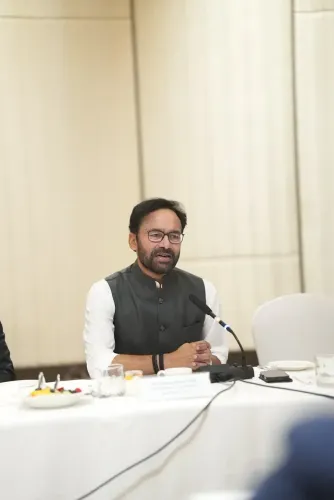
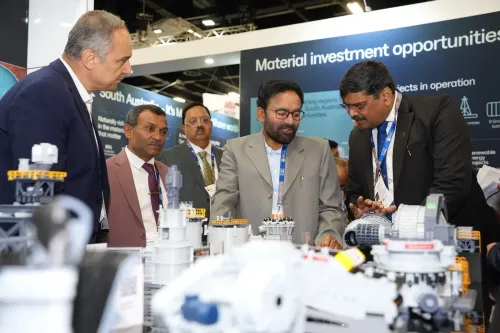
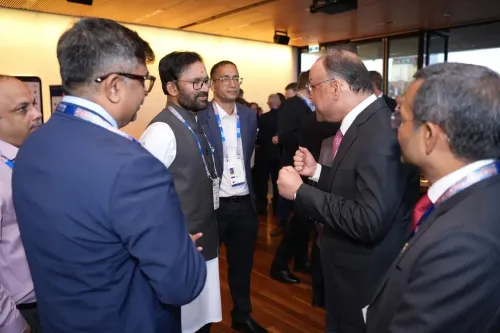
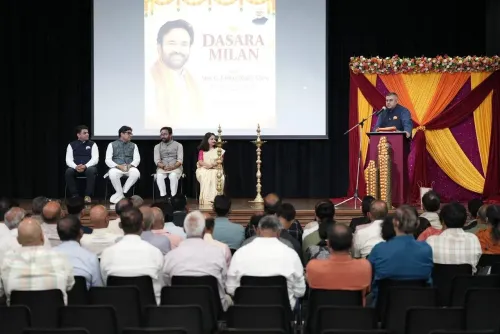
From a university campus in Australia, Union Coal and Mines Minister G. Kishan Reddy on Thursday, October 29, 2026, held talks with university leadership on deepening the India-Australia partnership — covering critical minerals, mining innovation, sustainable resource development, and capacity building.
What Was Discussed and Who Was in the Room
The minister engaged directly with university leadership, signalling that India's minerals diplomacy is no longer confined to government corridors. The conversations spanned four pillars: critical minerals cooperation, mining innovation, sustainable resource development, and academic capacity building — making it one of the more rounded bilateral engagements in the resources space. Coordinating ministries tagged in the post include the Ministry of External Affairs, the Ministry of Coal, the Ministry of Mines, the High Commission of India in Canberra, and the Consulate General of India in Melbourne.
The MoU That Set the Stage
This visit does not happen in a vacuum. In 2022, India and Australia signed a landmark MoU on cooperation in mining and critical minerals as part of the upgrade to a Comprehensive Strategic Partnership — laying the legal and institutional groundwork for exactly the kind of university-level exchange Kishan Reddy pursued today. India's 2023 Union Budget followed that up with specific measures to secure overseas critical mineral assets, naming Australia as a priority partner alongside a handful of other resource-rich nations.
Why Australia, and Why Now
Australia holds some of the world's largest reserves of lithium, cobalt, and rare earth elements — minerals that sit at the heart of India's clean-energy and advanced-manufacturing ambitions. India has been deliberately diversifying its critical minerals sourcing away from concentrated single-country dependence, and Australia has emerged as the anchor of that strategy in the Indo-Pacific. The bilateral effort also slots neatly into the Quad's supply-chain resilience agenda, where India, Australia, the United States, and Japan have collectively pledged to build more secure, transparent mineral supply chains. Bringing universities into that conversation adds a long-term dimension — training the engineers, geologists, and policy experts who will actually execute those supply chains.
What Follows from Here
The immediate thing to watch is whether these university discussions translate into formal outcomes at the next India-Australia bilateral leaders' summit or through a Joint Working Group on Mining. Capacity-building programmes that come out of today's talks could directly shape the pipeline of Indian professionals skilled in extraction, processing, and sustainable resource management — a quiet but consequential dividend from a diplomat's campus visit.
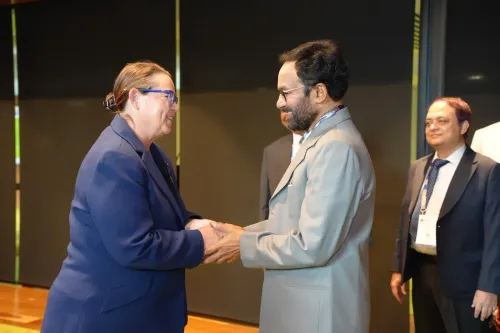
For India's critical minerals story, the real measure of today's meeting will not be the handshakes — it will be the MOUs, the scholarships, and the joint research centres that follow.
Point of View
Not just government corridors — a move that builds human capital alongside supply-chain agreements. It also signals that the 2022 India-Australia MoU on critical minerals is being actively operationalised rather than left as a shelf document. Framed against the Quad's supply-chain resilience push, the visit is part of a wider Indo-Pacific architecture designed to reduce dependence on any single source for strategically vital materials. The test of its impact will come when joint research programmes, fellowships, or processing technology agreements are formally announced.
NationPress
29 Oct 2026
Frequently Asked Questions
What did G. Kishan Reddy discuss with the Australian university?
He held discussions on strengthening India-Australia collaboration in critical minerals, mining innovation, sustainable resource development, and capacity building with university leadership during his October 2026 visit.
What is the India-Australia MoU on critical minerals?
India and Australia signed an MoU on cooperation in mining and critical minerals in 2022 as part of upgrading their bilateral relationship to a Comprehensive Strategic Partnership, creating a formal framework for resource and technology cooperation.
Why does India want to partner with Australia on critical minerals?
Australia holds large reserves of lithium, cobalt, and rare earth elements essential for India's clean-energy and advanced-manufacturing goals. India is diversifying sourcing away from single-country dependence, making Australia a key partner in its minerals security strategy.
How does the India-Australia minerals partnership connect to the Quad?
India, Australia, the United States, and Japan have collectively committed under the Quad framework to build secure and transparent critical mineral supply chains, and India-Australia bilateral agreements form a key pillar of that Indo-Pacific resilience agenda.
What could follow from Kishan Reddy's university discussions in Australia?
Potential outcomes include joint research programmes, capacity-building fellowships, and formal announcements at the next India-Australia bilateral leaders' summit or through a Joint Working Group on Mining.