Kishan Reddy: BJP ministers earn roles, never demand them
Synopsis
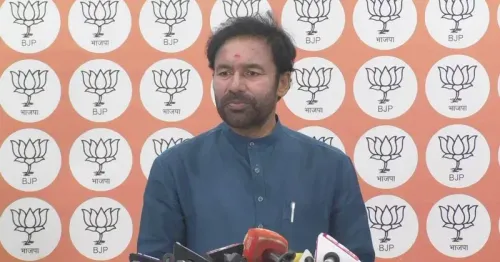
Union Coal and Mines Minister G. Kishan Reddy declared on 23 May 2026 that he never sought a ministerial post, citing BJP's cadre-first tradition as the party's defining strength and noting that most current BJP Chief Ministers began as grassroots workers.
Key Takeaways
Kishan Reddy publicly stated he has never demanded a ministerial or MP position from the party.
He described the BJP's culture of organic, merit-and-service-based elevation as 'the beauty of our party.' Reddy noted that most current BJP Chief Ministers began as grassroots karyakartas .
The statement was posted on 23 May 2026 with a video, tagging BJP4India and Sansad TV.
Reddy holds dual roles as Union Minister of Coal and Mines and BJP Telangana state president , both assigned through party processes.
The message is seen as reinforcing internal discipline ahead of possible organisational elections or reshuffles.
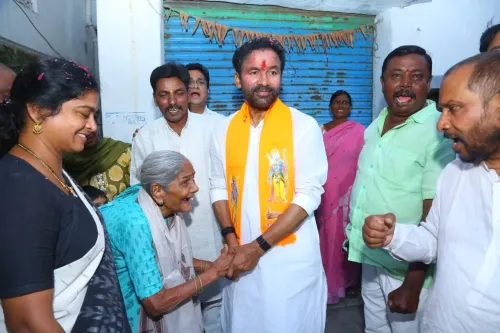
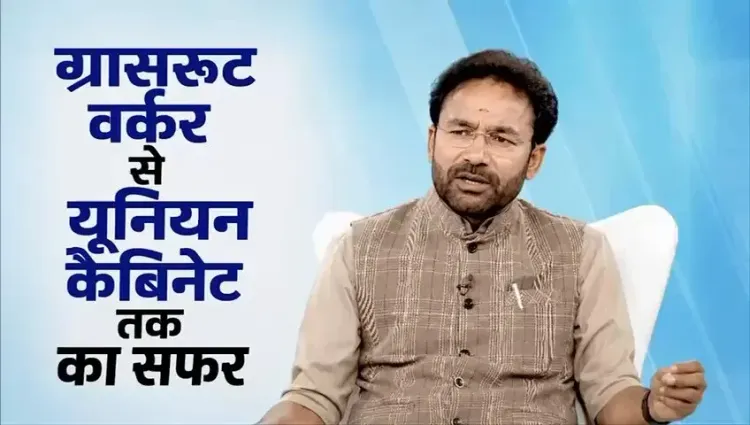
Union Coal and Mines Minister G. Kishan Reddy on Saturday, 23 May 2026, reaffirmed the Bharatiya Janata Party's cadre-first culture, stating that he has always sought to serve the party as a grassroots worker and has never asked to be made a minister or a Member of Parliament.
Context
Posting on X and tagging BJP4India and Sansad TV, Reddy said: 'I have always wanted to work for the party as a karyakarta. I never demanded that the party make me a Minister or an MP — that is not how things work in the Bharatiya Janata Party. And that is the beauty of our party.'
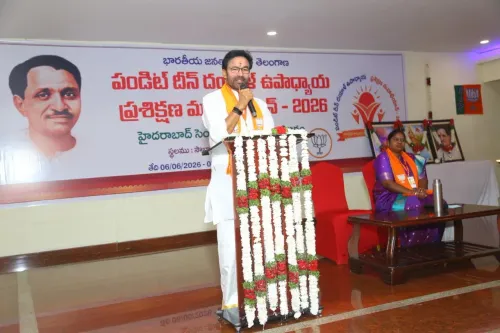
The statement, accompanied by a video, underscores the BJP's long-standing organisational doctrine that positions are awarded by the party, not solicited by individuals. Reddy serves simultaneously as Union Minister of Coal and Mines and as BJP Telangana state president, roles assigned to him through the party's internal processes.
Policy Backdrop
The BJP's constitution and organisational manuals, formalised since the party's founding in 1980, enshrine the karyakarta (grassroots worker) route as the primary pathway to leadership. The party draws a sharp contrast between this cadre-based model and what it characterises as the dynastic succession patterns of rival parties.
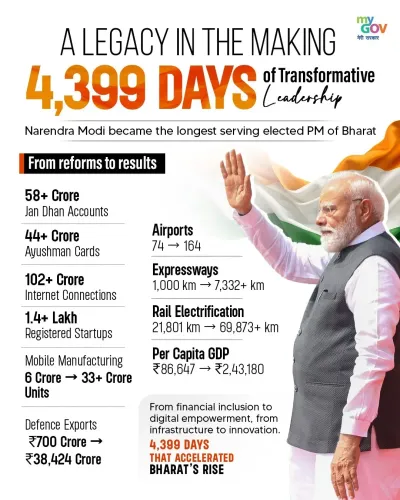
Prime Minister Narendra Modi's own trajectory is frequently cited as the clearest illustration of this principle: he rose through RSS and BJP organisational posts before being appointed Gujarat Chief Minister in 2001, without having sought the position. Reddy echoed this lineage directly, noting that 'most of our Chief Ministers today began as grassroots workers.'
Stakeholders and Impact
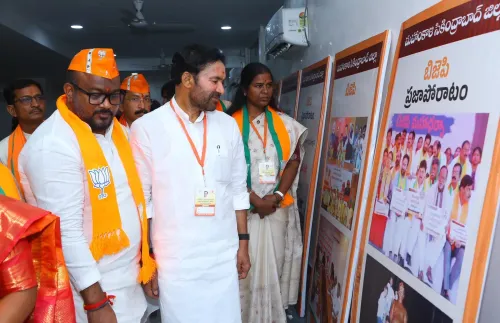
The statement carries particular weight for BJP workers in Telangana, where the party is rebuilding after the 2023 assembly election defeat. As state president, Reddy is the key figure overseeing organisational consolidation and cadre motivation ahead of future electoral cycles.
For rank-and-file BJP members across the country, the message reinforces internal discipline: ambition expressed through service rather than demand is the party's expected norm. Such public affirmations by senior ministers also serve as a signal to aspirants ahead of potential cabinet or organisational reshuffles.
What's Next
The BJP national executive and state unit elections scheduled in the coming months will test whether this cadre-first messaging translates into organisational outcomes on the ground. In Telangana specifically, the party's ability to project unity and discipline under Reddy's leadership will be closely watched as it prepares for the next state assembly election.
Statements of this nature from senior ministers typically precede or accompany internal party exercises, suggesting that BJP's organisational machinery may be entering an active phase of review and renewal.
Point of View
He simultaneously legitimises his own dual role in Telangana and signals to aspirants within the state unit that unsolicited ambition is unwelcome. The timing — ahead of likely BJP organisational elections — suggests the messaging is designed to pre-empt factional jostling. More broadly, it fits a recurring BJP pattern of using senior ministers to reinforce cadre discipline at moments of internal flux, contrasting the party's structure favourably with what it frames as the transactional or dynastic politics of rivals.
NationPress
16 Sept 2026
Frequently Asked Questions
What did G. Kishan Reddy say about becoming a BJP minister?
Kishan Reddy said he never demanded that the party make him a minister or an MP, stating that seeking positions is not how the BJP functions and describing this cadre-first approach as the party's defining strength.
What is a karyakarta in the BJP?
A karyakarta is a grassroots party worker in the BJP. The party's organisational culture expects members to serve at the ground level first, with leadership positions awarded by the party based on service rather than personal demand.
What positions does G. Kishan Reddy currently hold?
G. Kishan Reddy is the Union Minister of Coal and Mines in the central government and also serves as the BJP's Telangana state president.
Why is the BJP's karyakarta system significant?
The BJP has formalised the karyakarta route to leadership since its founding in 1980. It contrasts this cadre-based model with dynastic succession in rival parties, and several senior leaders including Prime Minister Modi rose through this system.
What is the political significance of Kishan Reddy's statement in Telangana?
As BJP Telangana state president following the party's 2023 assembly election defeat, Reddy's statement reinforces organisational discipline and cadre unity at a time when the party is rebuilding and preparing for future elections in the state.