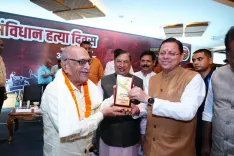
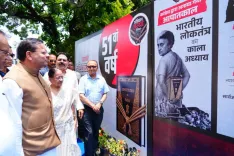
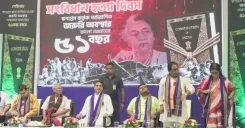
Kishan Reddy marks Emergency anniversary, calls June 25 dark chapter
Synopsis
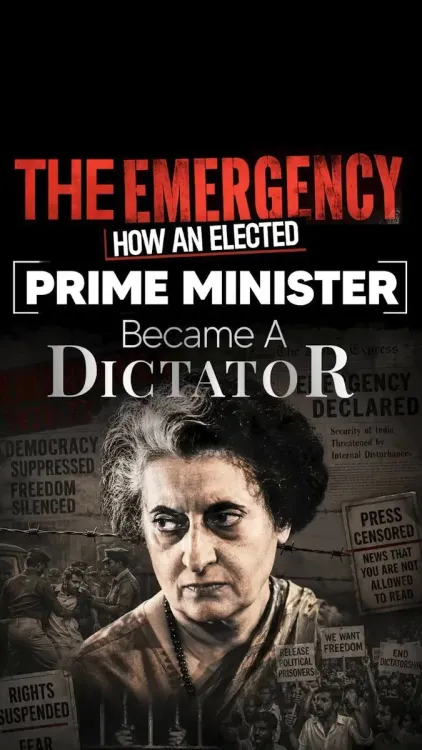
Union Coal and Mines Minister G. Kishan Reddy marked the 51st anniversary of the 1975 Emergency on 25 June 2026, calling it a dark chapter in Indian democracy and urging citizens to remember those who resisted the suspension of fundamental rights and press freedom under the Indira Gandhi government.
Key Takeaways
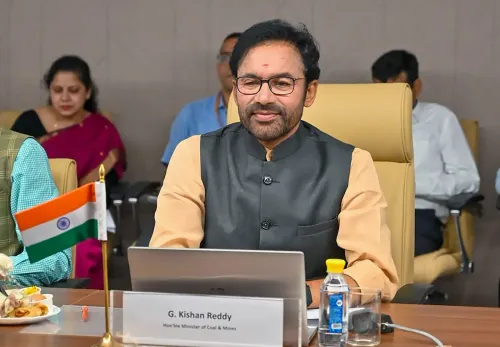
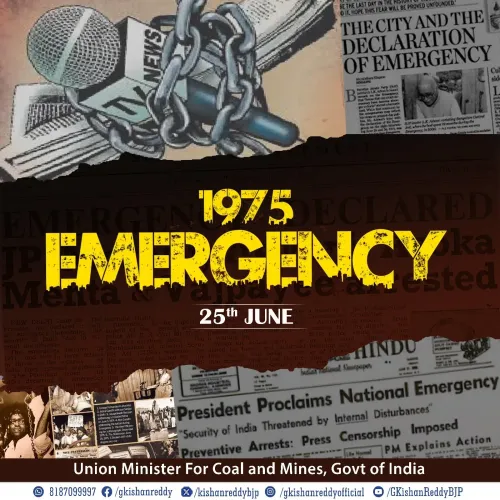
Kishan Reddy , Union Coal and Mines Minister and BJP Telangana president, posted a tribute on 25 June 2026 marking the Emergency anniversary.
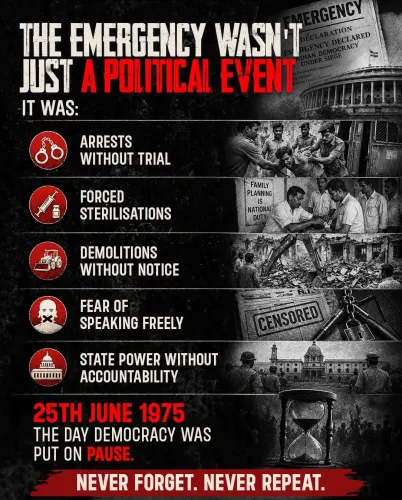
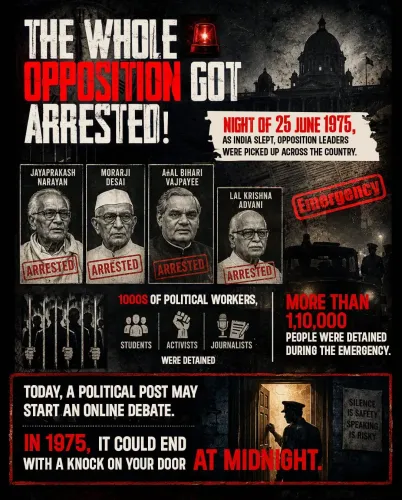
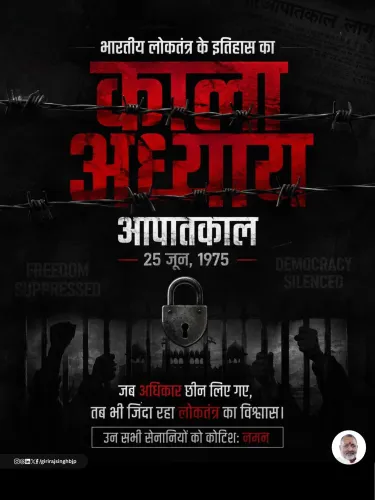
He described 25 June 1975 as 'a dark chapter in India's democratic history,' citing curtailed fundamental rights, press censorship, and detention of opposition leaders.
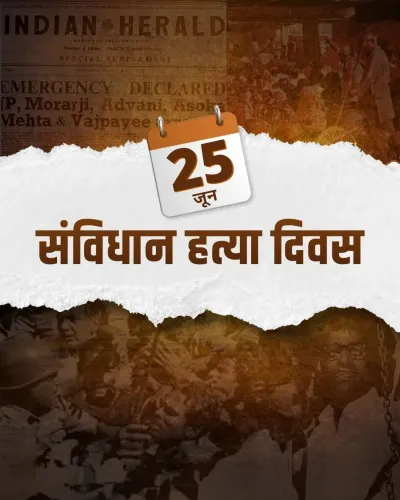
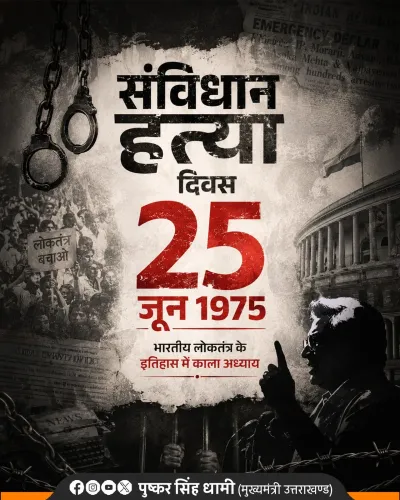
The post invoked #SamvidhanHatyaDiwas as the occasion for the observance.
The 1975 Emergency was imposed under Article 352 by Prime Minister Smt.
Indira Gandhi and lasted until 21 March 1977 .
BJP leaders have made annual June commemorations of the Emergency a recurring feature of the party's political messaging on constitutional values.
Opposition party responses and parliamentary references to the Emergency are expected ahead of and during the upcoming monsoon session .
Union Coal and Mines Minister G. Kishan Reddy on Thursday, 25 June 2026, marked the 51st anniversary of the 1975 Emergency by calling it 'a dark chapter in India's democratic history,' urging citizens to remember those who resisted the suspension of civil liberties and to reaffirm their commitment to the Constitution.
Context
In his post, the minister stated that the Emergency 'curtailed fundamental rights, censored the press, imprisoned opposition leaders and stifled democratic dissent across the country.' He invoked the observance of #SamvidhanHatyaDiwas — a phrase that translates roughly to 'Constitution Murder Day' — as the occasion for the tribute.
Kishan Reddy is both a senior Union Cabinet minister and the BJP's Telangana state president, making his voice significant across national policy corridors and state-level party politics in Telangana.
Policy Backdrop
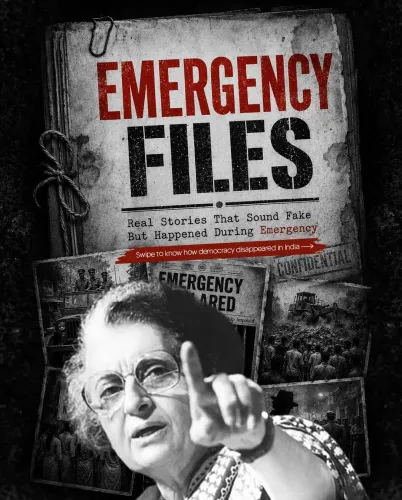
The national Emergency was proclaimed on 25 June 1975 under Article 352 of the Constitution by the government of then Prime Minister Smt. Indira Gandhi of the Indian National Congress. It remained in force until 21 March 1977, a period during which fundamental rights were suspended, the press was censored, and thousands of political opponents were detained without trial.
The Constitution of India — whose democratic provisions were effectively frozen during those 21 months — remains the central reference point in annual commemorations of this period. BJP leaders have consistently used the June anniversary to draw a contrast between what they describe as the Congress party's historical record on civil liberties and their own stated commitment to constitutional norms.
Stakeholders and Impact
The Emergency's legacy continues to resonate with a wide range of stakeholders: opposition leaders whose predecessors were detained, press organisations that faced direct censorship, and civil liberties groups that regard the period as a cautionary moment in Indian democratic history.
Annual observances on 25 June by ruling-party leaders typically prompt responses from the Indian National Congress, which has offered its own historical readings of the Emergency, and from opposition parties more broadly, who use the occasion to debate the current state of democratic institutions. The day has become a recurring flashpoint in partisan exchanges over constitutional records.
What's Next
Responses from opposition parties are expected in the coming hours and days. Parliamentary references to constitutional safeguards are also likely when the monsoon session of Parliament convenes, with the Emergency anniversary frequently cited as a reference point in debates over press freedom, judicial independence, and fundamental rights. The broader political conversation around #SamvidhanHatyaDiwas is expected to intensify as multiple leaders across party lines weigh in on the 51st anniversary.
Point of View
Which serves a dual purpose: honouring those who resisted the Emergency and keeping the Congress party's 1975 record in active political circulation. Coming from a minister who also heads the BJP's Telangana unit, the statement carries both national and state-level political weight, particularly as the party seeks to consolidate its narrative on constitutional commitment in a state where it is in opposition. The invocation of #SamvidhanHatyaDiwas signals a coordinated effort across the party to institutionalise the anniversary as a counter-narrative to Congress's own constitutional claims. As the monsoon session approaches, such statements are likely to set the tone for parliamentary debates on democratic norms and institutional safeguards.
NationPress
25 Jun 2026
Frequently Asked Questions
What is Samvidhan Hatya Diwas?
Samvidhan Hatya Diwas, which translates to 'Constitution Murder Day,' is a term used by BJP leaders to mark the anniversary of the imposition of the Emergency on 25 June 1975, a period when fundamental rights were suspended and democratic institutions were curtailed under the Indira Gandhi government.
What happened during the 1975 Emergency in India?
The national Emergency was proclaimed on 25 June 1975 under Article 352 of the Constitution by Prime Minister Smt. Indira Gandhi's Congress government. It lasted until 21 March 1977 and involved the suspension of fundamental rights, censorship of the press, and the detention of thousands of opposition leaders and activists.
Why did G. Kishan Reddy post about the Emergency on 25 June 2026?
G. Kishan Reddy posted to mark the 51st anniversary of the imposition of the 1975 Emergency, calling it a dark chapter in India's democratic history and urging citizens to remember those who stood up for democracy and to reaffirm their commitment to the Constitution.
Who imposed the Emergency in India in 1975?
The Emergency was imposed by Prime Minister Smt. Indira Gandhi, who led the Indian National Congress government at the time. It was proclaimed under Article 352 of the Constitution on 25 June 1975.
What is G. Kishan Reddy's current role?
G. Kishan Reddy is the Union Minister of Coal and Mines in the Indian Cabinet and also serves as the BJP's Telangana state president.