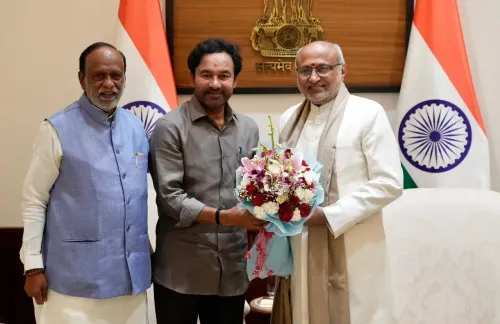
Kishan Reddy shares live feed of PM Modi-Japan PM joint press meet
Synopsis
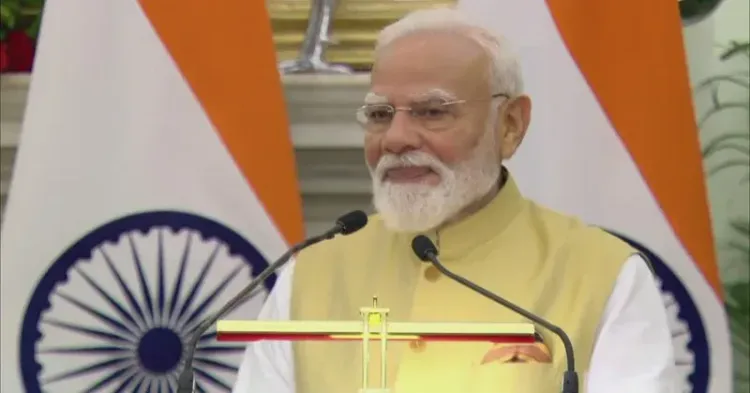
Union Coal and Mines Minister G. Kishan Reddy amplified the live broadcast of PM Narendra Modi's joint press conference with Japanese PM Sanae Takaichi in New Delhi on 2 July 2026, spotlighting a key moment in India-Japan strategic engagement under the annual summit framework.
Key Takeaways
Kishan Reddy shared the live stream of PM Modi's joint press meet with Japanese PM Takaichi in New Delhi on 2 July 2026 .
India and Japan have held an institutionalised annual summit mechanism since 2006 to sustain high-level bilateral dialogue.
The Comprehensive Economic Partnership Agreement (2011) and the 2008 Joint Declaration on Security Cooperation form the backbone of the bilateral relationship.
Both nations are aligned within the Quad framework , focusing on Indo-Pacific security, supply-chain resilience, and connectivity .
Key sectors to watch for follow-up agreements include defence technology, semiconductors, and clean energy .
Indian exporters, defence manufacturers, and infrastructure firms are among the primary stakeholders monitoring summit outcomes.
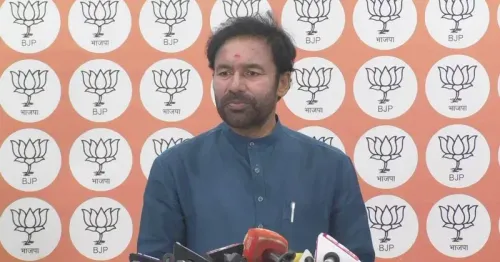
Union Coal and Mines Minister G. Kishan Reddy on Thursday, 2 July 2026, shared a live broadcast link of Prime Minister Narendra Modi addressing a joint press conference alongside Japanese Prime Minister Sanae Takaichi in New Delhi, amplifying the high-profile bilateral summit to his social media following.
Context
The joint press meet between PM Modi and Japanese PM Takaichi took place in New Delhi, marking a significant moment in the India-Japan diplomatic calendar. Such joint press interactions are a standard feature of reciprocal head-of-government visits, allowing both leaders to address the media on outcomes of their bilateral talks. Minister Kishan Reddy, as a senior BJP leader and Union Cabinet minister, shared the live stream to broaden public reach of the event.
Policy Backdrop
India and Japan have maintained an institutionalised annual summit mechanism since 2006, designed to sustain high-level strategic dialogue between the two nations. The bilateral relationship was further deepened through the Comprehensive Economic Partnership Agreement of 2011, which expanded trade and investment ties. On the security front, the 2008 Joint Declaration on Security Cooperation laid the groundwork for defence collaboration, later reinforced through 2+2 ministerial-level talks.
Both countries have also aligned their interests within the broader Indo-Pacific strategy and the Quad framework, focusing on maritime security, supply-chain resilience, and regional connectivity. Japan has been a key investor in India's infrastructure ambitions, including high-speed rail corridors, smart city projects, and critical minerals development.
Stakeholders and Impact
Indian exporters, defence manufacturers, and infrastructure firms are among the primary stakeholders watching the outcomes of this summit closely. Joint press conferences of this nature typically precede or accompany the signing of agreements or memoranda of understanding across sectors. Businesses engaged in semiconductor supply chains, clean energy, and advanced manufacturing stand to benefit from any new frameworks announced.
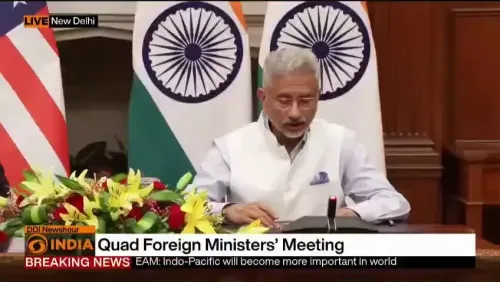
The Quad partnership — comprising India, Japan, the United States, and Australia — also lends a multilateral dimension to bilateral India-Japan engagements, making the outcomes of such summits relevant beyond the two countries alone.
What's Next
Observers will watch for follow-up agreements in areas such as defence technology transfers, semiconductor supply-chain cooperation, and clean-energy projects in the months ahead. The annual summit mechanism means that momentum built during this visit is expected to carry forward into the next scheduled high-level dialogue. Any joint statement released after the press meet will be closely parsed for signals on regional security, especially concerning Indo-Pacific stability.
As BJP Telangana state president, Kishan Reddy's amplification of the event also signals the party's effort to project the Modi government's active foreign policy engagements to a wider domestic audience ahead of upcoming political cycles.
Point of View
With the Quad framework giving it a multilateral weight that earlier summits lacked. The timing of this press meet, and the sectors likely to feature in any joint statement, will be a barometer of how far the two countries have progressed on sensitive areas like defence co-production and semiconductor supply chains. How the outcomes are received domestically — particularly in states like Telangana where Kishan Reddy is the BJP's top leader — will also shape the party's foreign-policy communication strategy.
NationPress
2 Jul 2026
Frequently Asked Questions
What was the joint press meet between PM Modi and Japanese PM Takaichi about?
The joint press meet in New Delhi on 2 July 2026 was part of a bilateral summit between Prime Minister Narendra Modi and Japanese Prime Minister Sanae Takaichi, where both leaders addressed the media on the outcomes of their high-level talks covering strategic, economic, and security cooperation.
Why did Kishan Reddy share the PM Modi Japan press conference link?
As Union Coal and Mines Minister and BJP Telangana state president, G. Kishan Reddy shared the live broadcast link to amplify the event to his social media audience, reflecting the party's effort to highlight the Modi government's active foreign policy engagements.
What is the history of India-Japan bilateral summits?
India and Japan institutionalised an annual summit mechanism in 2006 to ensure regular high-level dialogue. The relationship has since expanded through the 2011 Comprehensive Economic Partnership Agreement and the 2008 Joint Declaration on Security Cooperation, and is further embedded in the Quad framework.
What areas of cooperation are expected between India and Japan after the 2026 summit?
Analysts expect follow-up agreements or frameworks in defence technology transfers, semiconductor supply-chain cooperation, clean energy, and infrastructure investment, consistent with the pattern of outcomes from previous India-Japan annual summits.
Who is Sanae Takaichi and what is her role in India-Japan relations?
Sanae Takaichi is a senior Japanese politician from the conservative Liberal Democratic Party, known for her roles in domestic policy and communications. Her engagement with India as part of the bilateral summit reflects the continuity of high-level Japan-India diplomatic ties.