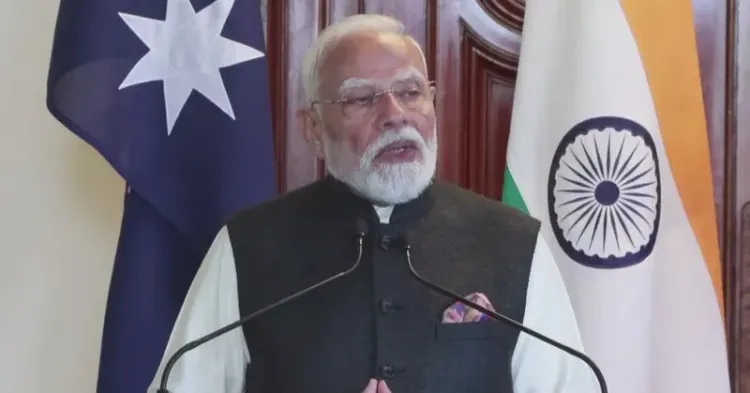
Kishan Reddy shares live feed of Modi-Albanese joint press meet in Melbourne
Synopsis
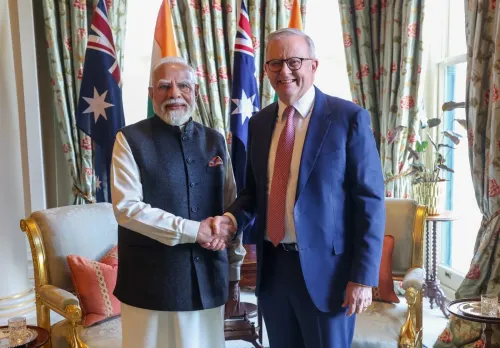
Union Coal and Mines Minister G. Kishan Reddy amplified the live broadcast of PM Narendra Modi and Australian PM Anthony Albanese's joint press meet in Melbourne on 9 July 2026, spotlighting India's strategic and resource-sector interest in the high-level bilateral summit.
Key Takeaways
Union Coal and Mines Minister G.
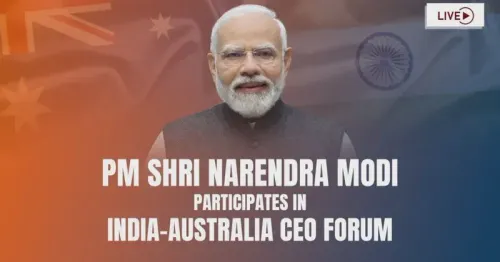
Kishan Reddy shared a live feed of the Modi-Albanese joint press conference in Melbourne on 9 July 2026 .
The summit builds on the India-Australia Comprehensive Strategic Partnership elevated in 2020 .
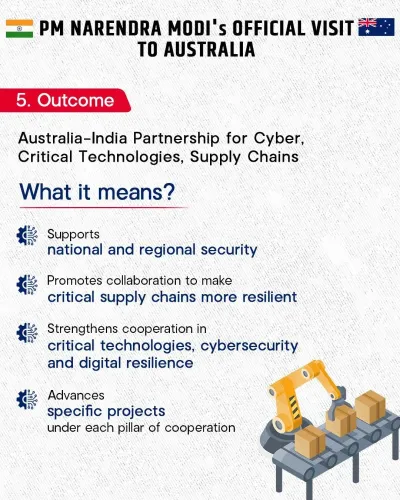
The Economic Cooperation and Trade Agreement (ECTA) , signed in 2022 , underpins expanding trade and supply-chain ties between the two countries.
Australia's vast reserves of lithium, cobalt, and other critical minerals make it a key partner for India's energy transition agenda.
Both nations coordinate within the Quad on Indo-Pacific maritime security and technology supply chains.
Potential joint ventures in critical minerals and defence technology transfers are the key outcomes to watch from the Melbourne talks.
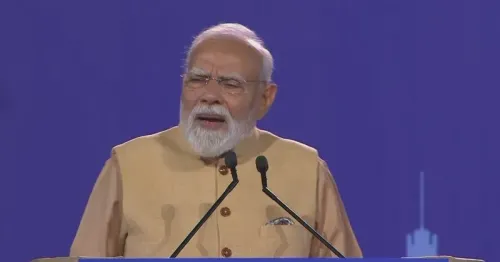
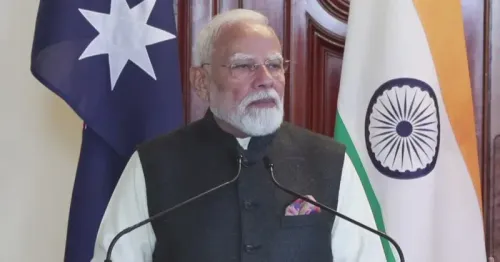
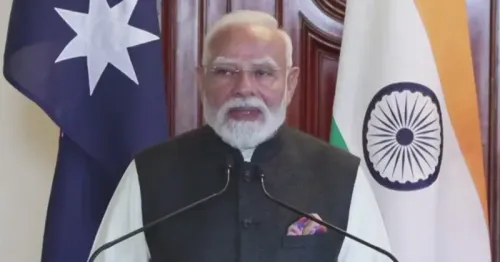
Union Coal and Mines Minister G. Kishan Reddy on Thursday, 9 July 2026, shared a live broadcast of Prime Minister Narendra Modi and Australian Prime Minister Anthony Albanese attending a joint press conference in Melbourne, underscoring the significance of the bilateral summit from New Delhi's perspective.
Context
The joint press meet in Melbourne marks a high-level engagement between the leaders of the world's two largest democracies in the Indo-Pacific. Prime Minister Modi, who has made Australia a cornerstone of India's Indo-Pacific outreach, and PM Albanese, who has championed closer ties since taking office in 2022, addressed the media together as part of the visit. Minister Kishan Reddy's decision to amplify the live feed signals the particular interest India's resources and mining establishment has in the outcomes of this summit.
Policy Backdrop
India and Australia elevated their relationship to a Comprehensive Strategic Partnership in 2020, with critical minerals, defence cooperation, and education mobility identified as priority pillars. The two countries signed the Economic Cooperation and Trade Agreement (ECTA) in 2022, expanding market access and integrating supply chains across sectors including resources and agriculture. Australia holds some of the world's largest reserves of lithium, cobalt, and other minerals critical to India's energy transition — making the bilateral relationship directly relevant to the coal and mines portfolio.
Both leaders have also coordinated closely within the Quad — the Quadrilateral Security Dialogue comprising India, Australia, the United States, and Japan — on regional maritime security and technology supply chains. The Melbourne summit builds on this layered architecture of engagement.
Stakeholders and Impact
India's mining sector and defence industry stand to gain most directly from deepened Australia ties, particularly through potential joint ventures in critical minerals that can reduce dependence on single-source supply chains. Indian manufacturers and clean-energy firms are watching for announcements on lithium and cobalt sourcing that could accelerate the domestic battery and electric vehicle ecosystem. Australian mining companies, in turn, see India's rapidly growing industrial demand as a long-term market anchor.
For the broader public, closer India-Australia cooperation on education mobility and skilled migration also remains a live agenda item, with large Indian student and diaspora communities present in cities like Melbourne and Sydney.
What's Next
Observers will watch closely for follow-up announcements on critical minerals joint ventures, defence technology transfers, or new trade facilitation measures emerging from the Melbourne talks. Any agreements on minerals supply chains would be of direct consequence to the mandate of the Union Ministry of Coal and Mines, making Minister Kishan Reddy's engagement with the summit more than ceremonial. The outcomes of this press conference are expected to set the tone for India-Australia cooperation through the remainder of 2026.
Point of View
A goal that has gained urgency since 2020. Kishan Reddy, as both a cabinet minister and BJP's Telangana president, also uses such moments to project the national government's global stature ahead of state-level political cycles. The real test will be whether the press meet translates into binding agreements on minerals supply or defence technology that deliver tangible industrial outcomes for India.
NationPress
7 Oct 2026
Frequently Asked Questions
Why did G. Kishan Reddy share the Modi-Albanese Melbourne press meet?
As Union Coal and Mines Minister, Kishan Reddy has a direct policy interest in India-Australia critical minerals cooperation, making the Melbourne bilateral summit relevant to his portfolio. He shared the live broadcast to highlight the summit's significance.
What is the India-Australia Comprehensive Strategic Partnership?
The India-Australia Comprehensive Strategic Partnership was elevated in 2020 and covers cooperation on critical minerals, defence, education, and trade. It forms the framework for high-level engagements like the Melbourne summit.
What is the ECTA between India and Australia?
The Economic Cooperation and Trade Agreement (ECTA), signed in 2022, expanded market access and integrated supply chains between India and Australia, covering sectors from resources to agriculture and services.
What critical minerals does Australia supply to India?
Australia holds major reserves of lithium, cobalt, and other minerals essential for India's battery, electric vehicle, and clean-energy sectors. Securing reliable supply of these materials is a key goal of India-Australia bilateral talks.
What is the Quad and how does it relate to Modi and Albanese?
The Quad, or Quadrilateral Security Dialogue, groups India, Australia, the United States, and Japan. Modi and Albanese have used Quad summits to coordinate on Indo-Pacific maritime security and technology supply chains alongside their bilateral agenda.