Rijiju: Parties Must Serve People, Not Seek Power
Synopsis
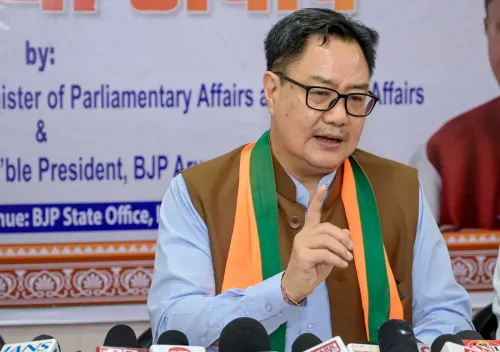
Union Parliamentary Affairs Minister Kiren Rijiju declared on 9 July 2026 that the purpose of all political parties must be to serve the people, not to seek power — a pointed normative statement from a senior cabinet minister at the heart of India's legislative process.
Key Takeaways
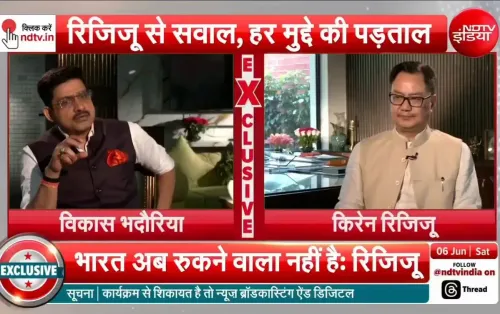
Kiren Rijiju , Union Minister of Parliamentary Affairs and Minority Affairs, posted the statement on 9 July 2026 .
He stated: 'The purpose of all the political parties should be to serve the People, not to seek the power.' The remark addressed all political parties universally, not a specific opposition group.
India's Representation of the People Act, 1951 already requires parties to declare commitment to democratic principles and public welfare.
Rijiju is a senior BJP leader from Arunachal Pradesh and a key figure in managing the government's legislative agenda.
Observers will watch for any follow-up action during the next Parliament session or Election Commission conduct review.
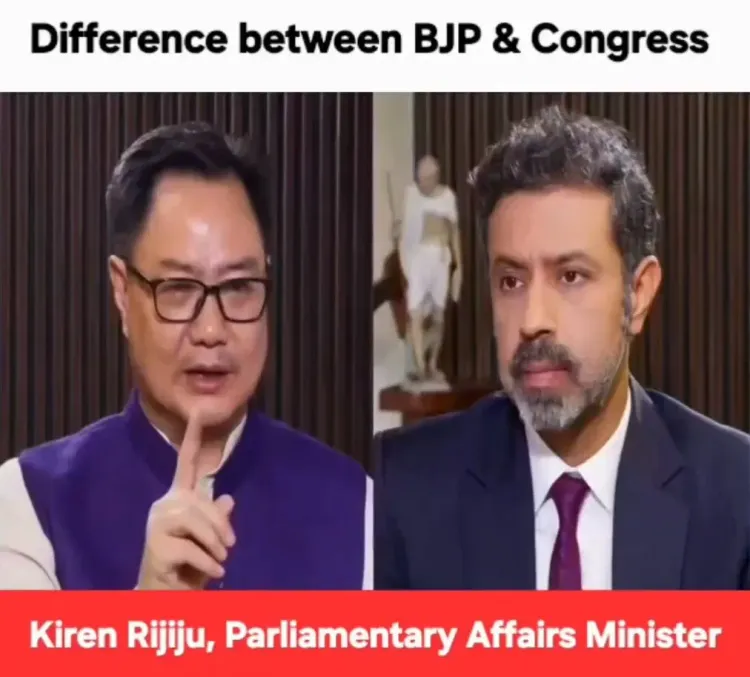
Union Parliamentary Affairs Minister Kiren Rijiju on Thursday, 9 July 2026, posted a pointed normative statement on X, asserting that the purpose of political parties must be public service rather than the pursuit of power.
Context
In his post, Rijiju wrote: 'The purpose of all the political parties should be to serve the People, not to seek the power.' The statement, brief but pointed, arrives as the Indian political calendar moves through a period of heightened inter-party activity, with parliamentary sessions and state electoral cycles keeping governance debates at the forefront of public discourse.
As Union Minister of Parliamentary Affairs, Rijiju occupies a role that places him at the intersection of executive governance and legislative procedure, making his remarks on the conduct of political parties particularly notable. He also serves as Minister of Minority Affairs and is a senior leader of the Bharatiya Janata Party (BJP) from Arunachal Pradesh.
Policy Backdrop
India's Representation of the People Act, 1951, along with successive Election Commission of India guidelines, has long required registered political parties to formally declare their commitment to democratic principles and public welfare. The legal framework, in effect, codifies the very principle Rijiju articulated: that parties exist to serve citizens, not to accumulate power as an end in itself.
Indian ministers and senior political figures periodically issue such normative statements on the role of parties, particularly around parliamentary sessions. These remarks often serve to frame the ruling coalition's governance philosophy in contrast to opposition conduct, though Rijiju's post addressed 'all the political parties' — a formulation that is explicitly universal rather than partisan.
Stakeholders and Impact
Voters and civil society groups who monitor political accountability are the primary audience for such statements. When a senior cabinet minister responsible for parliamentary affairs invokes the foundational purpose of political parties, it carries institutional weight beyond a routine social media post.
For opposition parties, the statement can be read as an implicit critique of power-centric politics, even as its language remains non-specific. For the BJP's own rank and file, it reinforces the 'seva' (service) narrative that has been central to the party's public messaging under Prime Minister Narendra Modi. The post's attached video, details of which were not publicly available at the time of writing, may provide additional context for the statement's immediate trigger.
What's Next
Observers will watch whether Rijiju follows this statement with specific legislative or procedural action in his capacity as Parliamentary Affairs Minister — for instance, through conduct guidelines tabled during the next session of Parliament. The Election Commission of India periodically reviews party conduct codes, and any ministerial push in that direction would give this statement a concrete policy dimension.
More broadly, the remark adds to a pattern of senior government figures framing governance as a moral compact with citizens. Whether that framing translates into measurable institutional reform will determine its lasting significance beyond the news cycle.
Point of View
The statement also carries an implicit signal about the conduct expected inside Parliament. Whether it remains a philosophical flourish or becomes the basis for procedural reform in party accountability will be the real test of its intent.
NationPress
9 Jul 2026
Frequently Asked Questions
What did Kiren Rijiju say about political parties?
Kiren Rijiju stated on 9 July 2026 that the purpose of all political parties should be to serve the people, not to seek power.
Who is Kiren Rijiju?
Kiren Rijiju is the Union Minister of Parliamentary Affairs and Minister of Minority Affairs, and a senior BJP leader from Arunachal Pradesh.
Why did Rijiju make this statement about political parties?
The exact trigger for the 9 July 2026 post is not confirmed, but such normative statements by senior ministers typically coincide with parliamentary sessions or periods of heightened political activity.
What law governs the purpose of political parties in India?
The Representation of the People Act, 1951, along with Election Commission of India guidelines, requires registered political parties to declare commitment to democratic principles and public welfare.
What is the significance of Rijiju's 'serve the people' remark?
As the minister responsible for parliamentary affairs, Rijiju's statement carries institutional weight; it reinforces the ruling party's 'seva' (service) narrative and may signal future emphasis on party conduct standards in Parliament.