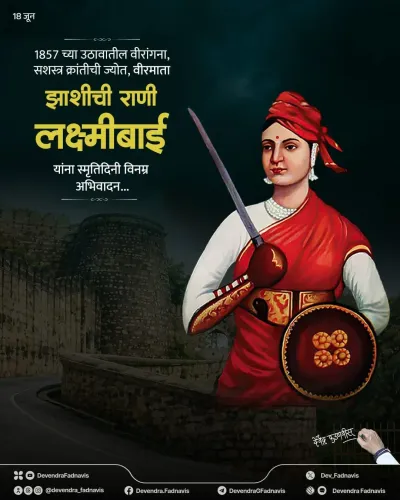
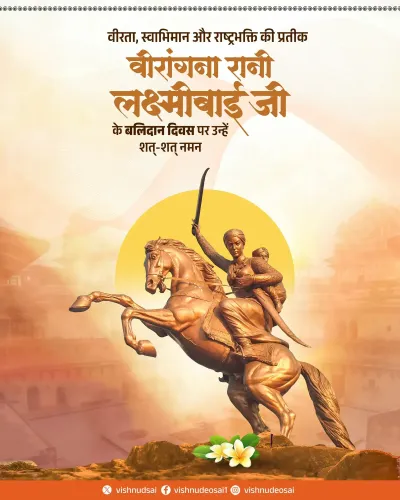
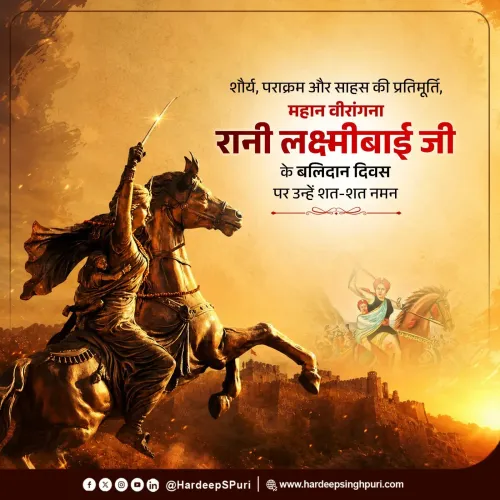
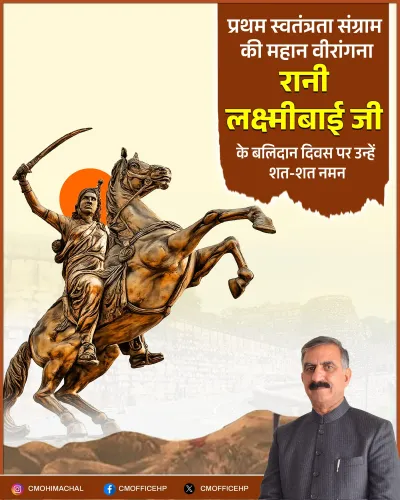
Kishan Reddy Pays Tribute to Rani Laxmi Bai on Martyrdom Day
Synopsis
Union Coal and Mines Minister G. Kishan Reddy marked Rani Laxmi Bai's martyrdom anniversary on June 18, honouring the Queen of Jhansi's courage during the 1857 First War of Independence and calling her legacy an enduring inspiration for the nation.
Key Takeaways
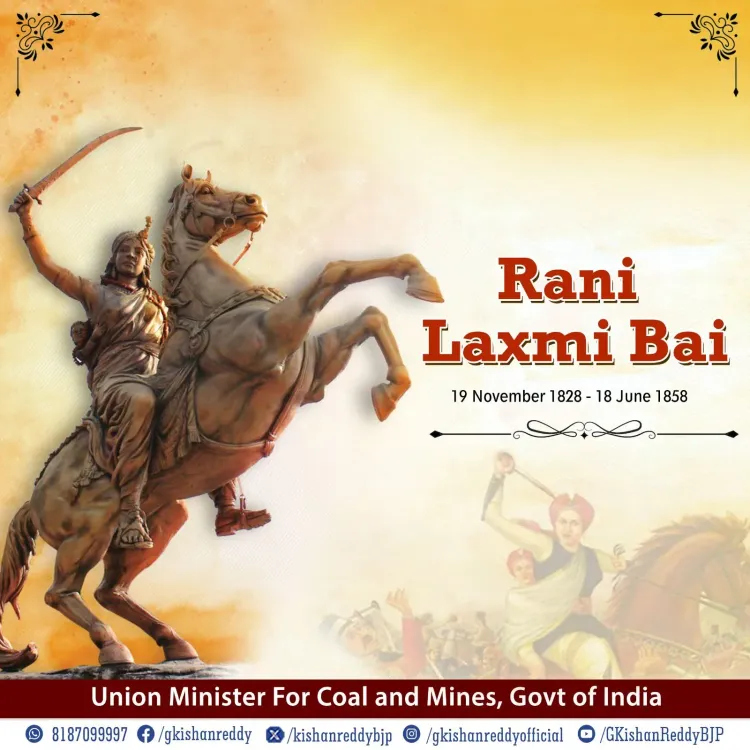
Kishan Reddy , Union Minister of Coal and Mines and BJP Telangana president, posted a tribute to Rani Laxmi Bai on June 18, 2026 , her martyrdom anniversary.
Rani Laxmi Bai led troops in defence of Jhansi against British forces and died in battle in 1858 , becoming a defining symbol of India's anti-colonial resistance.
Kishan Reddy described her as embodying 'unparalleled courage' and an 'unwavering commitment to the motherland' during the First War of Independence in 1857 .
The tribute is consistent with a broader BJP pattern of officially commemorating 1857 figures on key anniversaries to highlight nationalist and anti-colonial narratives.
Annual observances at Jhansi memorials on June 18 draw participation from local administrations, cultural bodies, and educational institutions each year.
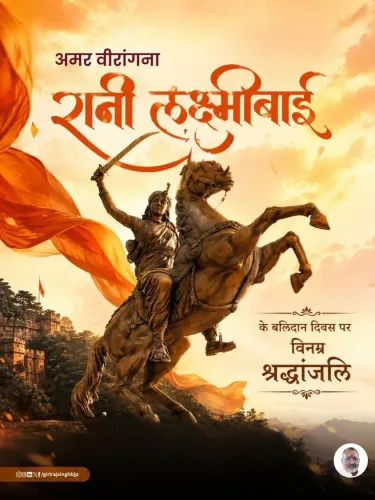
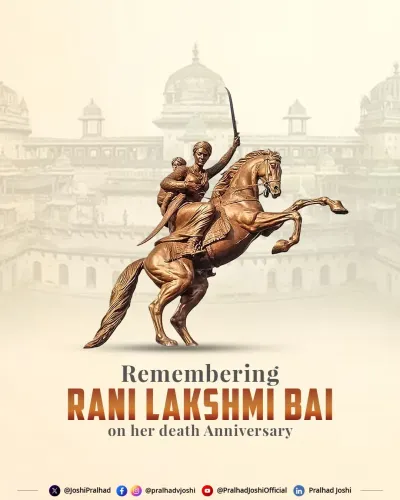
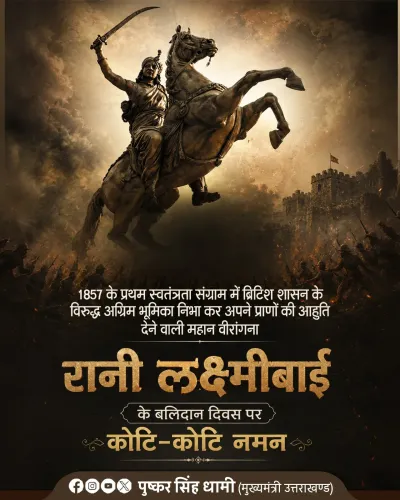
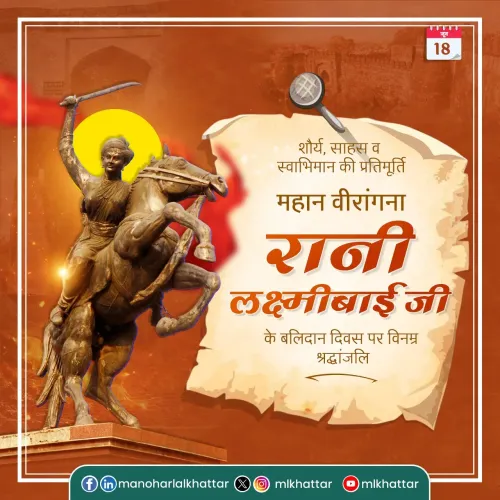
Union Coal and Mines Minister G. Kishan Reddy on Thursday, June 18, 2026, paid tribute to Rani Laxmi Bai of Jhansi on her martyrdom anniversary, calling her one of 'Bharat's bravest daughters' whose sacrifice during the First War of Independence in 1857 continues to inspire generations.
Context
June 18 marks the death anniversary of Rani Laxmi Bai, who fell in battle against British forces in 1858 near Gwalior. She had led her troops in defence of Jhansi, a princely state in present-day Uttar Pradesh, and her death on the battlefield cemented her place as one of the most iconic figures of India's anti-colonial resistance.
Kishan Reddy's post described her as embodying 'unparalleled courage, indomitable spirit, and unwavering commitment to the motherland.' He added that 'her legacy of valor will forever remain etched in the history of Bharat.'
Policy Backdrop
Public tributes to figures of the 1857 uprising have become a consistent feature of official commemorations under the current government. The BJP has historically emphasised the revolt as the foundational moment of India's freedom struggle, foregrounding indigenous martial traditions and anti-colonial resistance in public discourse and educational narratives.
Ministers and senior party leaders routinely mark the martyrdom and birth anniversaries of 1857 leaders across platforms, reinforcing a nationalist historiographical framing that positions the uprising as the 'First War of Independence' — a characterisation now standard in Indian school curricula.
Stakeholders and Impact
The tribute resonates with students, historians, and citizens engaged with India's independence history. Jhansi, the city most closely associated with Rani Laxmi Bai's legacy, hosts annual observances at her memorials on June 18, drawing participation from local administrations, cultural organisations, and school groups.
As BJP Telangana state president, Kishan Reddy's public messaging also carries significance for the party's outreach in Telangana, where invoking nationalist icons is part of a broader political and cultural communication strategy.
What's Next
Annual observances at Jhansi memorials and state-level events on June 18 are expected to draw participation from political leaders, educators, and civil society groups. Educational initiatives spotlighting 1857 leaders — including Rani Laxmi Bai — are likely to see renewed attention in the coming weeks as part of broader commemorative programming.
The tribute reflects a continuing pattern in which the government uses significant historical anniversaries to reinforce narratives of indigenous resistance, a practice that shapes both public memory and political identity heading into future electoral cycles.
Point of View
The party reinforces a nationalist historiography that has been institutionalised in school curricula and official commemorations over the past decade. For a state president in Telangana — a competitive political battleground — such messaging also serves a grassroots cultural outreach function. The consistency of these tributes across the party's leadership signals a deliberate, coordinated communication strategy around historical memory.
NationPress
18 Sept 2026
Frequently Asked Questions
When did Rani Laxmi Bai die and why is June 18 significant?
Rani Laxmi Bai died on June 18, 1858 , during a battle against British forces near Gwalior , making the date her annual martyrdom anniversary observed across India.
Who is G. Kishan Reddy?
G. Kishan Reddy is the Union Minister of Coal and Mines in the Government of India and the president of the BJP's Telangana state unit .
What was Rani Laxmi Bai's role in the 1857 revolt?
Rani Laxmi Bai was the Queen of Jhansi who led her forces against the British East India Company during the 1857 uprising , widely regarded in Indian historiography as the First War of Independence.
Why do BJP leaders regularly pay tribute to 1857 figures?
The BJP has historically emphasised the 1857 revolt as the foundational moment of India's freedom struggle, and tributes to its leaders on key anniversaries are part of a broader effort to foreground nationalist and anti-colonial narratives in public discourse.
Where are the main commemorations for Rani Laxmi Bai held?
The primary annual observances are held in Jhansi , Uttar Pradesh, at memorials dedicated to Rani Laxmi Bai, with participation from local government bodies, cultural organisations, and schools.