Kishan Reddy, Vaishnaw Hold Tech & Manufacturing Meets in Hyderabad
Synopsis
Union Ministers G. Kishan Reddy and Ashwini Vaishnaw jointly engaged industry leaders in Hyderabad on 12 July 2026, focusing on advanced manufacturing, technology, and innovation under the Viksit Bharat vision. The visit reflects coordinated central-government outreach to strengthen India's electronics and innovation ecosystem in Telangana.
Key Takeaways
Kishan Reddy and Ashwini Vaishnaw jointly participated in technology and manufacturing engagements in Hyderabad on 12 July 2026 .
The engagements covered advanced manufacturing, technology, innovation, and interactions with industry leaders.
Both ministers cited PM Narendra Modi's Viksit Bharat vision — targeting developed-economy status by 2047 — as the guiding framework.
Hyderabad hosts established electronics clusters and IT campuses, making it a strategic location for national manufacturing policy outreach.
The visit aligns with existing central schemes including Make in India , Production Linked Incentive schemes for electronics, and the India Semiconductor Mission launched in 2021 .
Follow-up investment announcements or MoUs for semiconductor and electronics units in Telangana are being closely watched.
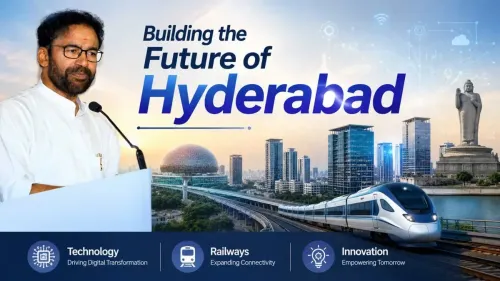
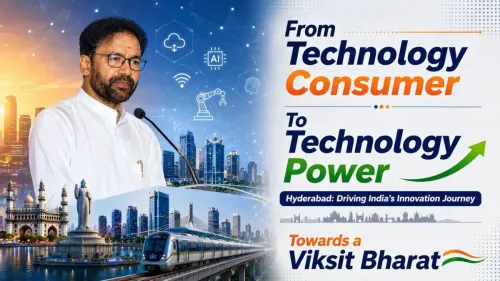
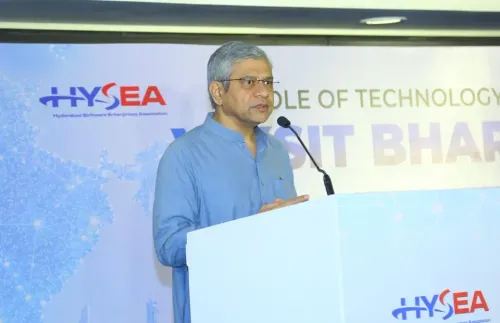
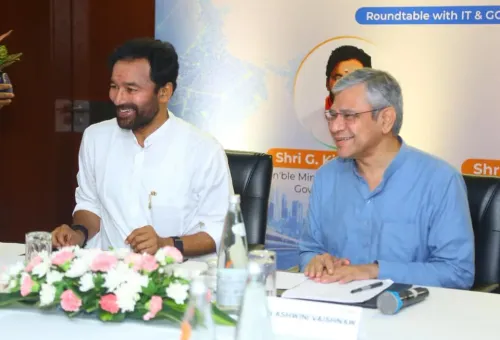
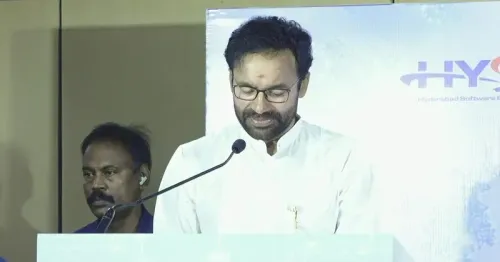
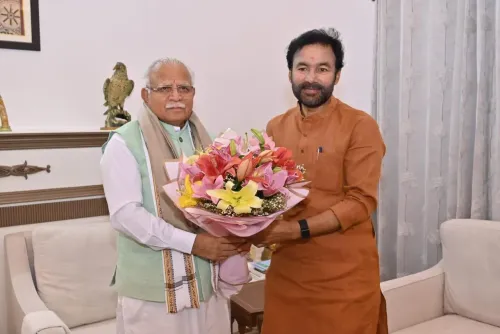
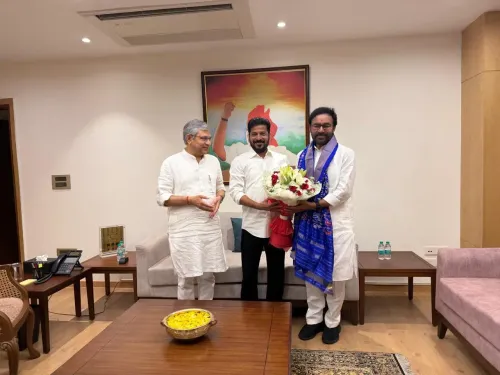
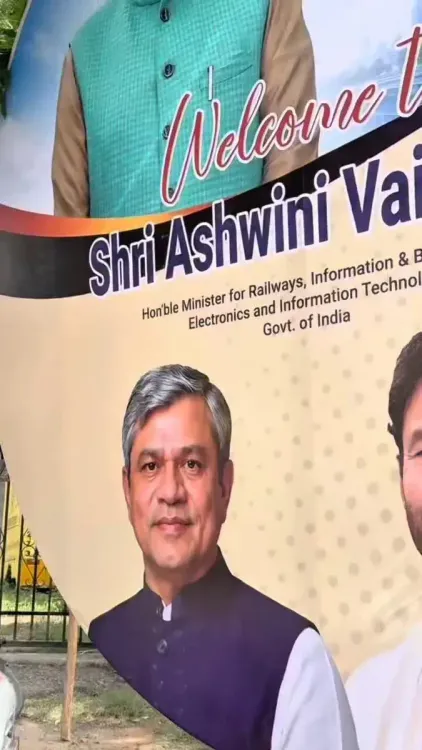
Union Coal and Mines Minister G. Kishan Reddy and Union Minister for Railways, Information & Broadcasting, Electronics & Information Technology Ashwini Vaishnaw jointly participated in a series of engagements in Hyderabad on Sunday, 12 July 2026, covering advanced manufacturing, technology, and innovation, alongside interactions with industry leaders.
Context
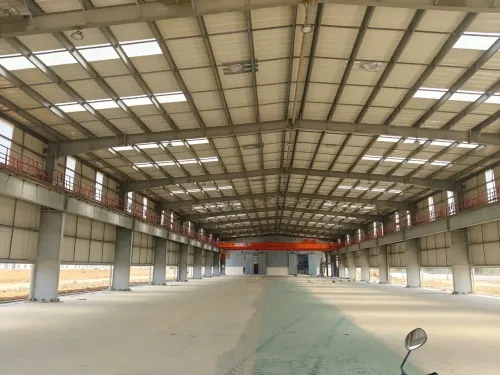
The two Union Ministers convened in Hyderabad for what Kishan Reddy described as engagements 'spanning advanced manufacturing, technology, and innovation, as well as interactions with industry leaders.' The visit underscores the central government's practice of deploying senior Cabinet members jointly to key industrial cities to signal coordinated policy intent. Hyderabad, as the capital of Telangana, is home to established electronics clusters, IT campuses, and research institutions that make it a natural venue for such outreach.
Kishan Reddy, who also serves as BJP Telangana state president, brings both a national ministerial mandate and a local political stake to engagements of this kind in the city. His presence alongside Vaishnaw, who oversees the electronics and IT portfolio, signals a multi-ministry approach to deepening industrial ties in the state.
Policy Backdrop
The visit sits within a broader framework of manufacturing and technology policy that the Modi government has built over the past decade. The Make in India campaign, launched in September 2014, set the original target of raising domestic manufacturing's share of GDP. Production Linked Incentive schemes for electronics and IT hardware, announced from 2020 onward, followed with direct financial incentives to attract investment into domestic value chains.
The India Semiconductor Mission, established in 2021, added a strategic layer by targeting domestic chip design and fabrication capacity. Taken together, these initiatives form the policy scaffolding that ministerial visits to hubs like Hyderabad are designed to activate at the ground level. Kishan Reddy explicitly framed Sunday's engagements as being 'guided by the vision of Hon'ble PM Shri Narendra Modi,' citing commitment to 'strengthening India's innovation ecosystem, promoting indigenous manufacturing, and accelerating our journey towards a Viksit Bharat.'
Viksit Bharat — the Prime Minister's articulated national vision of developed-economy status by 2047 — has become the overarching rhetorical and programmatic anchor for technology and manufacturing policy across ministries.
Stakeholders and Impact
The primary stakeholders are technology manufacturers, electronics firms, and innovation-sector players based in or considering investment in Telangana. Hyderabad's existing semiconductor and IT ecosystem has increasingly been positioned as a node in national supply-chain diversification efforts, particularly as global companies seek alternatives to concentrated manufacturing geographies. Industry leaders who participated in the interactions were not individually named in the ministerial post.
For the broader electronics sector, coordinated visits by the ministers holding the IT-Electronics and Coal-Mines portfolios suggest an interest in aligning upstream resource availability with downstream manufacturing expansion. Reducing import dependence in electronics remains a stated national priority, and Hyderabad's infrastructure makes it a credible location for scaling domestic production.
What's Next
Observers will watch for follow-up announcements, including potential Memoranda of Understanding for semiconductor or electronics manufacturing units in Telangana, or supplementary policy measures in the next parliamentary session. The pattern of such joint ministerial visits has historically preceded formal investment commitments or scheme-level announcements. Whether Sunday's engagements translate into concrete project sanctions or incentive packages will be the measure of their substantive impact on India's technology manufacturing ambitions.
Point of View
The other the BJP's state presidency in Telangana — is as much a political signal as a policy one. It reinforces the central government's strategy of using coordinated, high-visibility engagements to cement its manufacturing and innovation narrative ahead of any potential state-level political contests. Framing the visit under the Viksit Bharat umbrella ties local industrial activity to a national 2047 timeline, making it harder for any single ministry or state government to claim sole ownership of outcomes. The real test will come in whether these engagements produce binding investment commitments or remain part of the broader optics of India's technology-ambition story.
NationPress
12 Jul 2026
Frequently Asked Questions
Why did Kishan Reddy and Ashwini Vaishnaw visit Hyderabad together?
The two Union Ministers visited Hyderabad on 12 July 2026 to participate in joint engagements focused on advanced manufacturing, technology, and innovation, and to interact with industry leaders, as part of the central government's coordinated outreach to strengthen India's electronics and manufacturing ecosystem.
What is Viksit Bharat and how does it relate to this visit?
Viksit Bharat is Prime Minister Narendra Modi's national vision of India achieving developed-economy status by 2047. Both ministers cited it as the guiding framework for their Hyderabad engagements, linking local industrial interactions to this long-term national goal.
What manufacturing and technology schemes back this kind of ministerial visit?
Key schemes include the Make in India campaign launched in September 2014, Production Linked Incentive schemes for electronics and IT hardware from 2020 onward, and the India Semiconductor Mission established in 2021 to build domestic chip design and fabrication capacity.
Why is Hyderabad significant for India's technology and manufacturing policy?
Hyderabad is the capital of Telangana and hosts established electronics clusters, IT campuses, and research institutions. It has been positioned as a key node in national supply-chain diversification, particularly for semiconductors and electronics manufacturing.
What outcomes are expected from Kishan Reddy and Vaishnaw's Hyderabad engagements?
Observers are watching for follow-up MoUs or investment announcements for semiconductor or electronics manufacturing units in Telangana, as well as any supplementary policy measures in the next parliamentary session that may stem from these industry interactions.