Fratricidal Shooting Incident Injures Three Soldiers in Kupwara, J&K
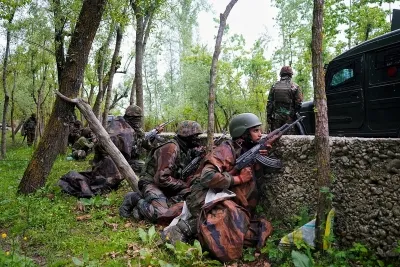
Synopsis
In a troubling incident in Kupwara, J&K, three soldiers were injured when one soldier opened fire on his peers. This raises concerns about the mental health of personnel amid ongoing operational stress. Investigations are ongoing as the army looks into this alarming trend.
Key Takeaways
Three soldiers injured in fratricidal shooting in Kupwara.
Incident highlights mental health challenges in the armed forces.
Army investigating to improve support systems .
Historical context of fratricidal incidents raises concerns.
Need for better training and stress management.
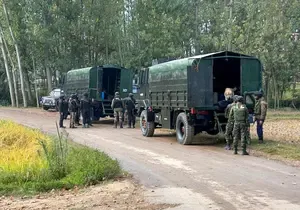
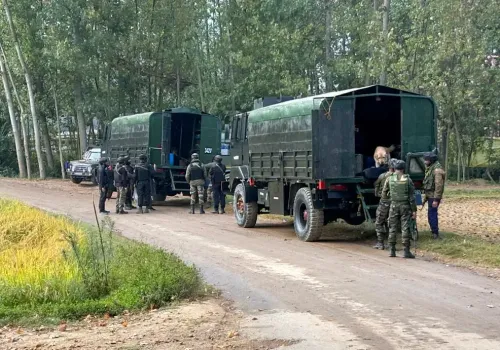
Srinagar, March 29 (NationPress) Three soldiers sustained injuries during a fratricidal shooting incident at an army camp located in the Trehgam area of J&K's Kupwara district, as confirmed by official sources on Sunday.
The incident unfolded when one soldier reportedly opened fire on his fellow soldiers last night.
Before the offending soldier could be subdued, three soldiers were injured, officials reported, stating that those injured are currently receiving treatment at a nearby military hospital.
Details regarding the incident are still forthcoming.
As of now, there has been no official statement from the army regarding this occurrence.
Historically, fratricidal incidents among security forces in J&K have occurred.
Such incidents typically arise from a mix of severe psychological stress, prolonged operational fatigue, and personal challenges, particularly in a high-conflict setting.
Aside from these incidents, suicides have also raised concerns, with various studies linking them to high stress and combat-related fatigue. Continuous deployment in counter-insurgency operations exposes soldiers to life-threatening scenarios for extended periods, leading to significant psychological strain.
Long working hours and separation from families, combined with isolation in high-altitude regions, foster loneliness and mental health issues.
Moreover, conflicts over denied leave or perceived mistreatment by superiors (including humiliation or harassment) are often significant sources of frustration.
Unresolved family issues also play a crucial role. The modern avenues of communication (like cell phones and social media) can present a double-edged sword, as soldiers remain updated on family disputes (related to land, finances, or marital issues) without the ability to intervene, intensifying feelings of guilt and helplessness.
Experts highlight that many of these cases involve pre-existing mental health conditions like depression, anxiety, and alcohol dependency.
Additional factors like poor living conditions, lack of recreational facilities, and inadequate command structures are also viewed as contributing elements.
Recent years have seen a continuation of fratricidal cases, including incidents in the Rajouri and Kupwara sectors, prompting the army to conduct studies into the mental health of personnel and to initiate measures aimed at alleviating these issues. These measures include improved training, stress management workshops, and increased leave opportunities.
Point of View
The incident in Kupwara underscores the pressing need for mental health support within the armed forces. As soldiers deal with intense stressors, both operational and personal, the priority must be to enhance their well-being and address the root causes of such tragic events.
NationPress
21 Sept 2026
Frequently Asked Questions
What happened in Kupwara?
Three soldiers were injured in a fratricidal shooting incident at an army camp in J&K's Kupwara district.
What are the potential causes of fratricidal incidents?
Fratricidal incidents often stem from psychological stress, operational fatigue, personal issues, and prolonged isolation.
Are there measures being taken to mitigate these incidents?
Yes, the army is conducting studies into mental health and implementing stress management workshops and improved training.
Have similar incidents occurred in the past?
Yes, fratricidal incidents among security forces in J&K have occurred previously, raising ongoing concerns.
How does high-stress deployment affect soldiers?
Prolonged exposure to life-threatening situations can lead to significant psychological strain, loneliness, and mental health issues.