Ladakh Panchayat polls: 70.03% turnout in first local body vote in 8 years
Synopsis
Ladakh cast its first local body votes in eight years on Saturday, with a 70.03% turnout in Panchayat elections braving sub-zero conditions — and helicopters deployed to reach isolated polling stations in Zanskar. The vote marks a significant step toward grassroots governance in the union territory, six years after its bifurcation from Jammu and Kashmir.
Key Takeaways
Ladakh recorded 70.03% turnout in Panchayat elections and 52.40% in Municipal Council polls on 21 November 2026 .
These are the first local body elections in Ladakh in eight years .
Panchayat polls spanned 192 Panchayat Halqas across 8 districts , with 192 Sarpanch and 1,428 Panch seats at stake.
Municipal polls covered 38 wards across Leh and Kargil Municipal Councils.
Helicopter services were deployed in Zanskar to airlift polling teams to 3 isolated polling stations .
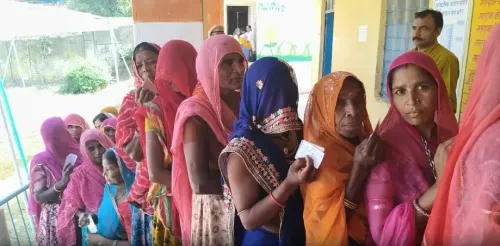
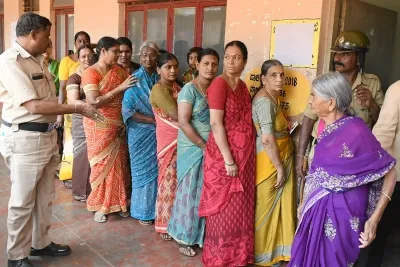
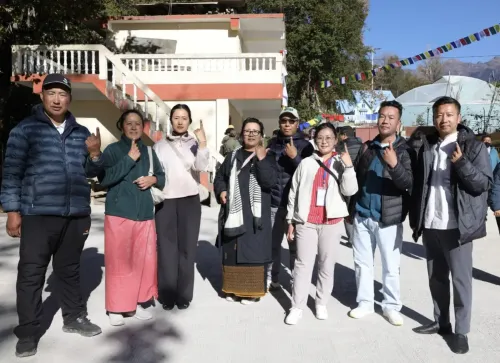
Voters including first-time voters, women, senior citizens, and monks participated across villages and towns.
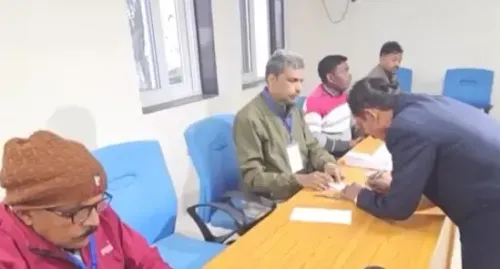
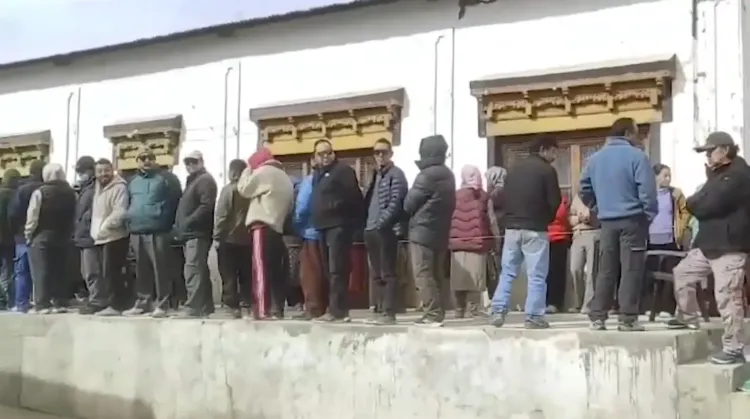
Ladakh recorded a voter turnout of 70.03 per cent in Panchayat elections and 52.40 per cent in Municipal Council polls on Saturday, 21 November 2026, with residents braving biting cold conditions to cast their votes. This marked the first local body elections in the union territory in eight years, drawing enthusiastic participation across demographics.
Scale of the Elections
The Panchayat elections spanned 192 Panchayat Halqas across eight districts, covering 192 Sarpanch positions and 1,428 Panch seats. Of these, 55 Sarpanches and 1,186 Panches had already been elected unopposed before polling day, with voting conducted for the remaining 137 Sarpanch and 242 Panch seats on Saturday.
In the Municipal Council polls, voting covered 38 wards across Leh and Kargil. All 21 wards of the Leh Municipal Council went to the polls. In the Kargil Municipal Council, four of the 17 wards were filled unopposed, with polling held in the remaining 13 wards.
Helicopters Deployed for Remote Areas
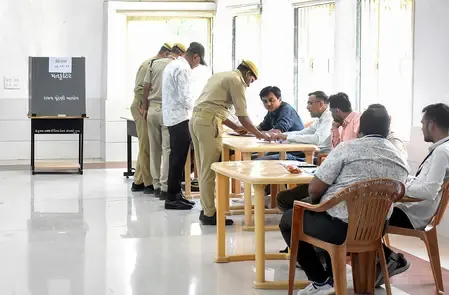
To ensure voter access in road-inaccessible areas, election authorities deployed helicopter services in Zanskar to airlift polling teams and election materials to three isolated polling stations. Polling personnel, security forces, and civil officials coordinated across the rugged Himalayan terrain to facilitate smooth and incident-free voting.
Who Turned Out to Vote
According to an official press release issued by the election office, voters across demographics — including first-time voters, women, senior citizens, and monks — participated enthusiastically across villages and towns. The broad cross-section of turnout, particularly in extreme weather, was widely noted by election officials as a positive signal for democratic participation in the region.
Significance and What Comes Next
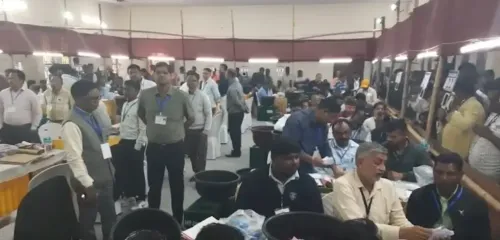
Ladakh was bifurcated from the erstwhile state of Jammu and Kashmir in 2019 and granted union territory status, but local body elections have been pending for eight years, making this vote a significant milestone in restoring grassroots representation. Election officials stated that the constitution of elected Panchayats and Municipal Councils will establish representative institutions to address local development priorities, civic amenities, and public service delivery across Ladakh. Vote counting and the formal constitution of elected bodies is the next step in restoring local democratic governance to the region.
Point of View
And the breadth of participation, from monks to first-time voters, suggests that people in Ladakh have been waiting to have a say in their own governance. The real test will come after the councils are constituted: whether elected Sarpanches and municipal representatives can actually influence resource allocation in a union territory that lacks a legislature of its own remains the unresolved structural question that this election, however encouraging, cannot answer.
NationPress
21 Nov 2026
Frequently Asked Questions
What was the voter turnout in Ladakh's 2026 local body elections?
Ladakh recorded a voter turnout of 70.03 per cent in Panchayat elections and 52.40 per cent in Municipal Council polls held on 21 November 2026. Voters across demographics participated despite biting cold conditions.
Why are these elections significant for Ladakh?
These are the first local body elections held in Ladakh in eight years, making them a major milestone in restoring grassroots democratic representation. Ladakh has been a union territory since 2019, following its bifurcation from the erstwhile state of Jammu and Kashmir.
How many seats were contested in the Ladakh Panchayat elections?
The Panchayat elections covered 192 Sarpanch positions and 1,428 Panch seats across 192 Panchayat Halqas in eight districts. Of these, 55 Sarpanches and 1,186 Panches were elected unopposed, with the remaining seats going to the polls on Saturday.
How did election authorities manage voting in remote areas of Ladakh?
Election authorities deployed helicopter services in Zanskar to airlift polling teams and election materials to three isolated, road-inaccessible polling stations. Polling personnel, security forces, and civil officials coordinated across difficult terrain.
What happens after the Ladakh local body elections?
Following vote counting, elected Panchayats and Municipal Councils will be formally constituted. Election officials stated these bodies will address local development priorities, civic amenities, and public service delivery across Ladakh.