Lashkar's women wing Taiyabbat: 80% voluntary recruits, AI training alarms India
Synopsis
Indian intelligence agencies have flagged a startling trend: nearly 80% of women joining Lashkar-e-Taiba's new all-female wing Taiyabbat are doing so voluntarily. The wing is already running AI training programmes and radicalisation drives — and officials warn it could become more dangerous than the Lashkar-e-Taiba itself, even as the parent outfit continues to reel from Operation Sindoor.
Key Takeaways
Taiyabbat , the all-women wing of Lashkar-e-Taiba , was formed in 2025 and became fully operational by early 2026 .
Nearly 80 per cent of its recruits have joined voluntarily, according to Intelligence Bureau officials.
The wing is leading Artificial Intelligence (AI) training within the Lashkar-e-Taiba network for propaganda and future attacks.
Operation Sindoor killed over 100 terrorists , including commanders Khalid alias Abu Akasha and Mudassar Khadian Khas alias Abu Jindal , and destroyed nine camps .
The rival Jamaat-ul-Muminat (JuM) , Jaish-e-Mohammed's women wing headed by Sadiya Azhar , launched in October 2025 , remains far less active.
An Intelligence Bureau official warned Taiyabbat could eventually surpass the Lashkar-e-Taiba itself in operational threat.
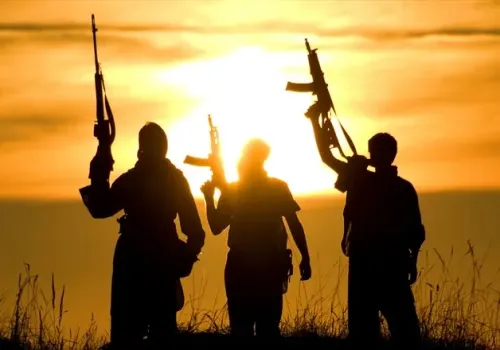
Taiyabbat, the all-women wing of the Lashkar-e-Taiba, has emerged as a rapidly growing threat to Indian security agencies, with intelligence inputs indicating that nearly 80 per cent of its recruits have joined the outfit voluntarily since its formation in 2025. By early 2026, the wing had become fully operational, and officials say its pace of expansion has outstripped that of its parent organisation.
Voluntary Recruitment and the AI Factor
According to Intelligence Bureau officials, the high rate of voluntary enlistment is what distinguishes Taiyabbat from most other terror-linked formations. 'This shows the willingness of these women to be part of a terror group. It also shows the hatred that these women have towards India,' an official said. Beyond radicalisation and recruitment drives, the wing has taken a notable lead in Artificial Intelligence (AI) training — a domain that the Lashkar-e-Taiba leadership has publicly flagged as central to future propaganda and attack planning. Women who completed AI training in recent months are now reportedly imparting the same skills to newer inductees, according to intelligence findings.
What Taiyabbat Does — and Does Not Do Yet
Officials clarified that female recruits are not currently being trained for suicide bombings or direct terror strikes. Instead, they have assumed leading roles in radicalisation programmes, recruitment camps, propaganda operations, and AI-driven outreach. 'They are taking the lead role in almost all departments,' an official noted. The wing is also being used to actively recruit youth for the Lashkar-e-Taiba, which has faced an acute manpower shortage since Operation Sindoor.
Operation Sindoor's Impact on Lashkar-e-Taiba
India's precision military strikes under Operation Sindoor, carried out in response to the Pahalgam attack, inflicted severe damage on the Lashkar-e-Taiba. Over 100 terrorists were killed, including two senior commanders — Khalid alias Abu Akasha and Mudassar Khadian Khas alias Abu Jindal. The Lashkar-e-Taiba, Jaish-e-Mohammed, and Hizbul Mujahideen collectively lost nine camps in the operation. In the aftermath, the Lashkar-e-Taiba has struggled to rebuild, with recruitment slowing and questions surfacing about leadership effectiveness.
How Taiyabbat Was Built — and Why It Grew
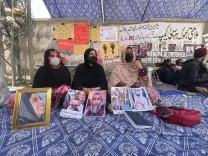
Intelligence officials say the Lashkar-e-Taiba leadership initially used photographs of slain militants to recruit women into Taiyabbat, drawing on sympathetic sentiment in the immediate post-Sindoor period. This reportedly triggered a chain reaction of voluntary enlistments. An Intelligence Bureau official warned that Taiyabbat could eventually surpass the Lashkar-e-Taiba itself in operational danger if left unchecked.
Taiyabbat vs Jaish's Women Wing JuM
By contrast, the Jamaat-ul-Muminat (JuM) — the women's wing of the Jaish-e-Mohammed, launched in October 2025 and headed by Sadiya Azhar, sister of Jaish-e-Mohammed chief Masood Azhar — has remained far less active. Officials attribute this to Masood Azhar's diminished visibility since Operation Sindoor, reportedly due to deteriorating health and personal losses sustained in the strikes. Lashkar-e-Taiba chief Hafiz Saeed, by contrast, has remained comparatively active and visible, providing organisational momentum to Taiyabbat. The divergence between the two wings, officials say, reflects the wider gap in the post-Sindoor operational capacities of the two outfits.
Indian security agencies are now closely monitoring Taiyabbat's expansion, particularly its AI capabilities and its role in youth radicalisation — elements that could make it a long-term strategic threat even as the parent organisation continues to struggle.
Point of View
Driven by post-Sindoor grief and propaganda, is a harder problem than coerced or paid recruitment. The AI angle is especially consequential: a wing that controls propaganda and radicalisation infrastructure can sustain an organisation even when its kinetic capacity is degraded, as the Lashkar-e-Taiba's is right now. What mainstream coverage underplays is that Taiyabbat is effectively doing what the parent outfit cannot — rebuilding the Lashkar-e-Taiba's pipeline. The contrast with the near-dormant Jamaat-ul-Muminat also reveals how leadership visibility directly determines organisational vitality in these groups: Hafiz Saeed's continued presence is an asset that Masood Azhar, reportedly ailing and invisible, cannot match.
NationPress
19 Oct 2026
Frequently Asked Questions
What is Taiyabbat, the Lashkar-e-Taiba's women wing?
Taiyabbat is the all-women wing of the Lashkar-e-Taiba, established in 2025 and fully operational by early 2026. It is engaged in radicalisation, recruitment, propaganda, and Artificial Intelligence training, and has alarmed Indian intelligence agencies due to its rapid, largely voluntary growth.
Why is the voluntary recruitment into Taiyabbat considered alarming?
Intelligence Bureau officials say that nearly 80 per cent of Taiyabbat's recruits have joined willingly, indicating ideological motivation rather than coercion. Officials say this reflects deep-rooted hostility toward India and makes the wing harder to counter through conventional counter-recruitment strategies.
What role does Artificial Intelligence play in Taiyabbat's activities?
Taiyabbat has taken the lead in AI training within the Lashkar-e-Taiba network, reportedly to advance future propaganda and attack planning. Women trained in recent months are now teaching newer recruits, creating an internal knowledge-transfer chain, according to Indian intelligence findings.
How did Operation Sindoor affect the Lashkar-e-Taiba?
Operation Sindoor, India's military response to the Pahalgam attack, killed over 100 terrorists including two senior Lashkar-e-Taiba commanders and destroyed nine militant camps. The operation severely disrupted the outfit's recruitment and leadership, creating the vacuum that Taiyabbat is now helping to fill.
How does Taiyabbat compare to the Jaish-e-Mohammed's women wing?
The Jamaat-ul-Muminat (JuM), Jaish-e-Mohammed's women wing headed by Sadiya Azhar and launched in October 2025, is far less active than Taiyabbat. Officials attribute this to the diminished visibility of Jaish-e-Mohammed chief Masood Azhar, who reportedly remains in poor health and has not recovered from losses sustained during Operation Sindoor.