Pakistan smugglers using live-feed drones to beat Punjab border security
Synopsis
Pakistan-based drug networks have upgraded from detectable commercial drones to satellite-enabled, live-feed aircraft that let handlers watch Indian security forces in real time and steer payloads around them. With 400 drones seized in six months and arms flowing alongside narcotics, officials are pointing fingers at the Pakistani state — and warning that better technology alone won't solve a problem that runs deep into Punjab's ground-level distribution networks.
Key Takeaways
Pakistan-based smugglers are now using satellite-enabled drones with real-time live-feed capability along the Punjab border .
An Intelligence Bureau official said the technology points to direct involvement of the Pakistani establishment , as such equipment is state-level.
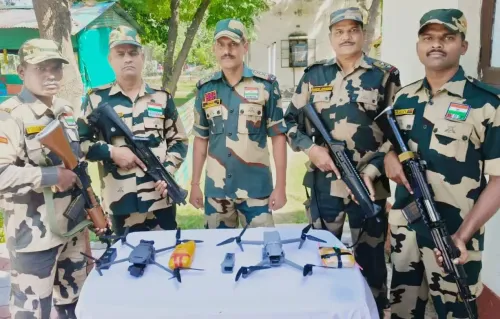
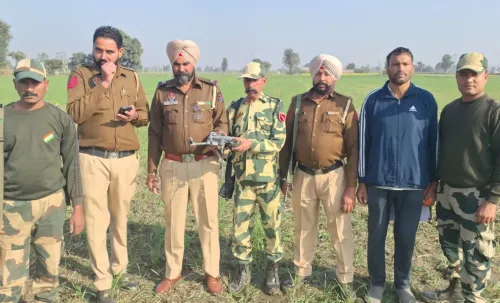
Security agencies seized at least 400 drones in the last six months .
Smaller drones are used as decoys to allow advanced drones carrying larger payloads to slip through.
Drones are also being used to smuggle pistols and assault rifles , primarily for local gangsters and alleged Khalistan operatives.
Officials say dismantling the ground-level pickup network inside Punjab is as critical as counter-drone technology.
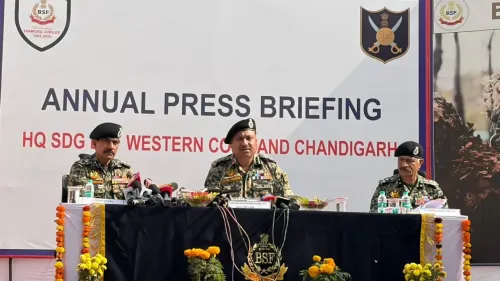
Security agencies have flagged a sharp technological upgrade in drone-based smuggling along the India-Pakistan border in Punjab, with Pakistan-based narcotic syndicates now deploying drones equipped with real-time live-feed cameras and satellite navigation to evade interception. The development, disclosed by officials on 24 June, has emerged as a serious concern for the Border Security Force (BSF) and central intelligence agencies.
The Technology Leap
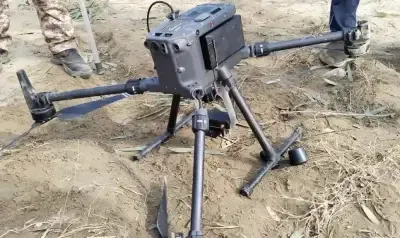
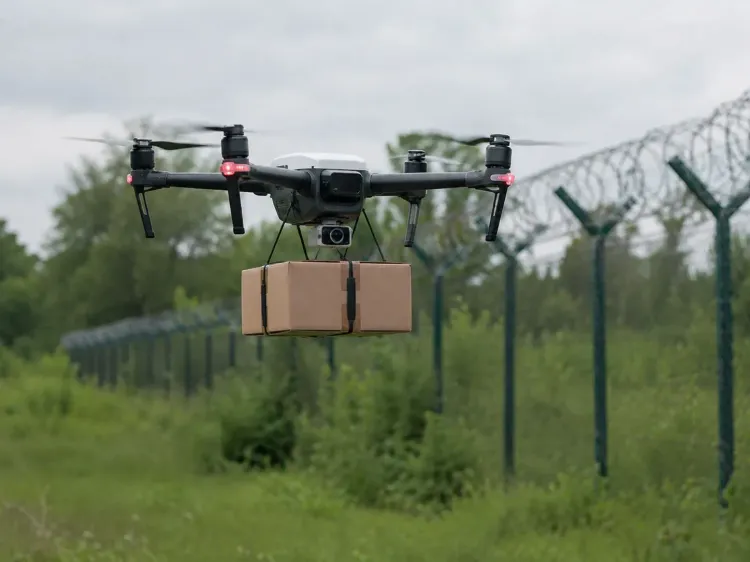
The new-generation drones being pushed across the border are a significant step up from earlier models that Indian forces had learned to detect and shoot down. According to officials, these drones can stream live video of the operation to handlers on the Pakistani side, allowing them to monitor the movement of Indian security personnel in real time and manoeuvre the aircraft to avoid detection.
Crucially, the drones are also satellite-enabled, allowing them to penetrate deeper into Indian territory while reducing the risk of signal-based interception. An Intelligence Bureau official said this level of technology is not commercially accessible to ordinary criminal networks. 'Such technology is only available with the state,' the official said, adding that the involvement of the Pakistani establishment was strongly indicated by the sophistication of the equipment.
Decoy Tactics and Payload Strategy
Officials also noted that smugglers are deploying a layered approach: smaller, lower-technology drones are sent in as decoys to draw the attention of Indian forces, while more advanced drones carrying larger payloads infiltrate separately. This tactic has complicated interdiction efforts significantly.
In the last six months alone, security agencies have managed to seize at least 400 drones sent from the Pakistani side — a figure that officials say reflects the scale of operations rather than their success in neutralising the threat.
Beyond Narcotics: Arms and Khalistan Links
The drone corridor is not limited to drugs. Officials say there has been a marked rise in pistols and assault rifles being ferried into Punjab via drones, primarily destined for local gangsters and elements associated with the Khalistan movement. Officials further allege that Pakistan's Inter-Services Intelligence (ISI) has been actively pushing Khalistani elements to step up operations, reportedly with the aim of reviving the separatist movement.
The Ground Network Problem
Officials stress that the drone threat cannot be addressed by counter-drone technology alone. A vast ground-level distribution network operates within Punjab, with scores of local youth reportedly recruited to collect dropped payloads and circulate them in local markets. 'If there are none to pick up the contraband, then the entire process of using highly advanced drones to drop off drugs becomes pointless,' one official pointed out.
Dismantling this pickup network, officials argue, is as critical as deploying better aerial surveillance — a dual-track approach that security agencies say must be pursued simultaneously to meaningfully disrupt cross-border smuggling operations.
Point of View
India is no longer dealing with opportunistic traffickers but with a state-backed logistics operation designed to overwhelm border surveillance incrementally. What is striking is the adaptive speed: each time the BSF develops a counter, the technology on the other side upgrades. This arms-race dynamic suggests that technology-only responses will keep losing ground. The more durable intervention is the one officials themselves acknowledge but which receives far less attention: breaking the domestic pickup networks that make the drone drops economically viable in the first place.
NationPress
22 Sept 2026
Frequently Asked Questions
What new drone technology are Pakistan-based smugglers using on the Punjab border?
Smugglers are now deploying drones equipped with live-feed cameras and satellite navigation, allowing handlers in Pakistan to watch Indian security force movements in real time and steer drones around them. These satellite-enabled drones can penetrate deeper into Indian territory and are significantly harder to intercept than earlier models.
How many drones have been seized on the India-Pakistan border recently?
Security agencies have seized at least 400 drones sent from the Pakistani side in the last six months alone, according to officials. The figure reflects the high volume of drone-based smuggling attempts rather than a complete neutralisation of the threat.
Is the Pakistani government involved in the drone smuggling operations?
An Intelligence Bureau official has alleged that the satellite-enabled technology being used 'is only available with the state,' pointing to direct involvement of the Pakistani establishment. The ISI has also been accused of pushing Khalistan-linked elements to escalate operations using these drones.
Are drugs the only contraband being smuggled via drones into Punjab?
No. Officials say there has been a significant rise in pistols and assault rifles being ferried into Punjab via drones, primarily destined for local gangsters and individuals associated with the Khalistan movement, alongside narcotics.
How are security agencies planning to counter the advanced drone threat?
Officials say a two-pronged approach is needed: deploying better counter-drone technology at the border, and simultaneously dismantling the ground-level distribution networks inside Punjab that collect and circulate the dropped payloads. Without local operatives to pick up the contraband, even sophisticated drone deliveries become operationally pointless, officials note.