Lothal ₹4,500-crore maritime heritage complex nears opening
Synopsis
Gujarat's ₹4,500-crore maritime heritage complex at Lothal is close to opening its first phase. It will feature a 77-metre lighthouse museum billed as the world's tallest, a recreated Harappan town and 13 international MoUs. The state is pitching it to global investors ahead of Vibrant Gujarat 2027.
Key Takeaways
The ₹4,500-crore National Maritime Heritage Complex at Lothal , Gujarat, spans 400 acres and is nearing first-phase completion.
It will house 14 galleries and a 77-metre lighthouse museum , described as the world's tallest, costing about ₹200 crore .
The project is being built by the Union Ministry of Ports, Shipping and Waterways under the Sagarmala Programme .
13 MoUs have been signed with countries including Portugal, the UAE and Singapore, against a target of 35 .
It is planned as India's first heritage tourism site to run entirely on eco-friendly transport.
Investment opportunities will be showcased at the Vibrant Gujarat Global Summit in January 2027 .
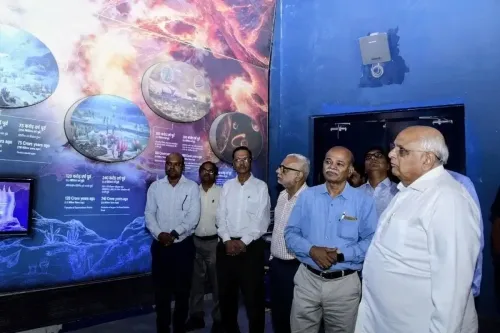
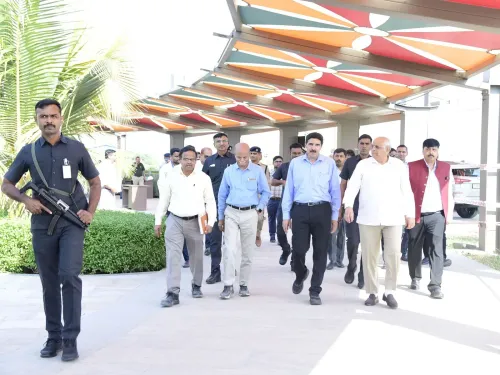
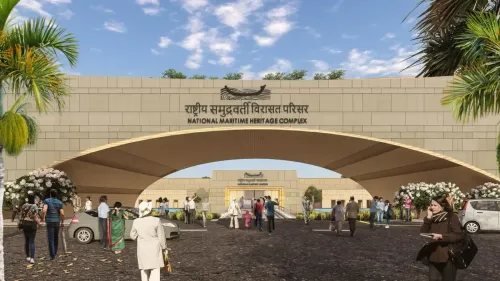
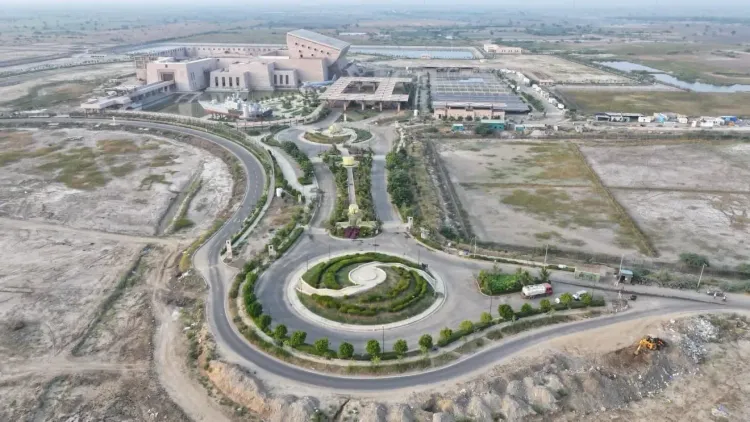
The ₹4,500-crore National Maritime Heritage Complex (NMHC) at Lothal in Gujarat is nearing completion of its first phase, according to details shared on 28 November 2026. Spread across 400 acres, the project is being developed as a major tourism destination. The state is seeking global investment in hospitality, recreation and allied sectors ahead of the Vibrant Gujarat Global Summit 2027.
The complex lies about 80 km from Ahmedabad. It aims to present India's 5,000-year-old maritime history by linking the ancient Indus Valley Civilisation port of Lothal with Gujarat's present-day port-led development.
Key Developments at the Site
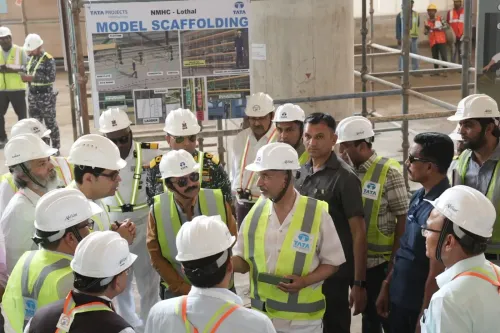
Work on Phase 1A is reportedly progressing rapidly, and the facility is expected to open to visitors soon. The Union Ministry of Ports, Shipping and Waterways is developing the project under the Sagarmala Programme. It was envisioned under Prime Minister Narendra Modi.
The complex will be built in phases. It will combine historical exhibits with technology-based educational and recreational attractions.
Galleries, Lighthouse Museum and Harappan Town
The complex will house 14 galleries tracing India's maritime journey. They will run from the seafaring traditions of the Indus Valley Civilisation to the modern Indian Navy and Coast Guard.
A central attraction will be a 77-metre-high lighthouse museum, which officials describe as the world's tallest. It is being built at an estimated cost of ₹200 crore.
The project will also recreate a Harappan town. This will include a replica of what is described as the world's oldest dockyard, letting visitors explore the maritime infrastructure and trading practices of the ancient civilisation.
Other planned features include:
- four theme parks
- an underwater gallery
- eco-resorts
- water rides
- marine recreation centres
Coastal State Pavilions will showcase the art and culture of India's coastal regions.
International Partnerships and Research
The project has signed 13 memoranda of understanding (MoUs) with the following countries:
- Portugal
- Vietnam
- the UAE
- Thailand
- Oman
- South Korea
- Italy
- the Netherlands
- Israel
- Germany
- Denmark
- New Zealand
- Singapore
These agreements focus on knowledge exchange and collaboration in museum curation. The project has set a target of 35 MoUs.
A Maritime Research Institute is also proposed. It is intended to support research and build specialised expertise for the maritime industry.
Impact on Jobs and Local Economy
Project estimates indicate the complex will generate thousands of direct and indirect jobs. It is also expected to create business opportunities for surrounding communities, including in hospitality services and local cottage industries.
The complex is expected to open opportunities for private investment in tourism infrastructure, particularly hospitality, leisure and eco-tourism. Notably, the NMHC is being planned as India's first heritage tourism site to run entirely on an eco-friendly transport system.
What Happens Next
The state is positioning the project as one of its flagship heritage tourism developments ahead of the Vibrant Gujarat Global Summit in January 2027. Opportunities in hospitality, local crafts, tourism services and allied sectors are expected to be pitched to investors at the summit.
Once the first phase opens, the key test will be whether the complex can draw tourists, students and researchers from India and abroad.
Point of View
But the announcement leans on vague markers. 'Open soon' is not a date, and 'thousands of jobs' is not a measurable commitment. With 13 of 35 targeted MoUs signed, the project is still building its partnerships. The bigger question is whether a 400-acre complex 80 km from Ahmedabad can sustain footfall beyond launch, or whether it becomes an investor-summit showpiece that struggles once the spotlight moves on.
NationPress
28 Nov 2026
Frequently Asked Questions
What is the National Maritime Heritage Complex at Lothal?
It is a ₹4,500-crore, 400-acre complex in Gujarat showcasing India's 5,000-year-old maritime history. It is being developed by the Union Ministry of Ports, Shipping and Waterways under the Sagarmala Programme.
When will the Lothal maritime heritage complex open?
Work on Phase 1A is nearing completion, and the facility is expected to open to visitors soon. No exact opening date has been announced.
What are the main attractions at the Lothal complex?
Key attractions include 14 galleries and a 77-metre lighthouse museum described as the world's tallest. There will also be a recreated Harappan town with a replica of what is described as the world's oldest dockyard, plus four theme parks, an underwater gallery and Coastal State Pavilions.
Which countries have signed MoUs for the Lothal project?
Thirteen countries have signed MoUs: Portugal, Vietnam, the UAE, Thailand, Oman, South Korea, Italy, the Netherlands, Israel, Germany, Denmark, New Zealand and Singapore. The agreements focus on museum curation and knowledge exchange, and the project targets 35 MoUs in total.
How is the Lothal complex linked to Vibrant Gujarat 2027?
The state plans to highlight the complex at the Vibrant Gujarat Global Summit in January 2027. It aims to attract investment in hospitality, tourism services, local crafts and allied sectors.