Madras HC rejects plea for I-T probe into Palaniswami's poll affidavit
Synopsis
The Madras High Court has shut the door on a tax probe against AIADMK chief Edappadi K. Palaniswami over alleged affidavit discrepancies between his 2021 and 2026 nomination filings. The Bench held the remedy lies in an election petition, not a writ — a procedural ruling that keeps the political heat alive but narrows the legal route for challengers.
Key Takeaways
The Madras High Court dismissed a plea seeking an Income Tax probe against Edappadi K.
Palaniswami on 3 June .
The petition was filed by Sakthivel Perumal , a voter from the Edappadi constituency.
It alleged discrepancies between Palaniswami's affidavits in the 2021 and 2026 Assembly polls.
The Bench, led by Chief Justice T.S.
Sivagnanam , ruled that election affidavit disputes lie within election petition jurisdiction.
Palaniswami currently serves as AIADMK General Secretary and Leader of Opposition in the Tamil Nadu Assembly.
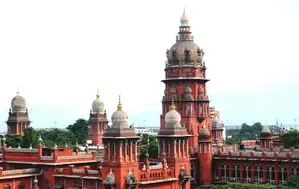
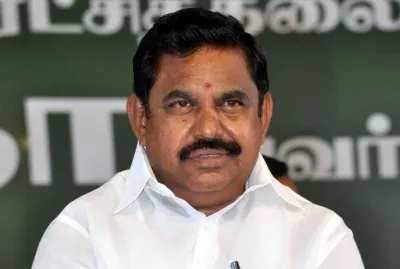
The Madras High Court on 3 June dismissed a petition seeking a direction to the Income Tax Department to investigate AIADMK General Secretary and Leader of Opposition Edappadi K. Palaniswami over allegations that he concealed asset and income details in his election nomination affidavit. The Division Bench held that grievances over election affidavit disclosures must be pursued through an election petition, not a writ seeking a tax inquiry.
The petitioner's allegations
The plea was filed by Sakthivel Perumal, a voter from the Edappadi Assembly constituency, which Palaniswami won in the recently concluded Tamil Nadu Assembly elections before being sworn in as an MLA. The petitioner alleged that Palaniswami had failed to disclose complete details of his assets and income in the affidavit accompanying his nomination papers.
According to the plea, a side-by-side comparison of the affidavits filed by Palaniswami during the 2021 and 2026 Assembly elections revealed several inconsistencies in declared assets and income. The petitioner contended that material information had been suppressed and sought a court-mandated probe by the Income Tax Department.
What the Bench heard
The matter was taken up by a Division Bench comprising Chief Justice T.S. Sivagnanam, Justice Aravind Dharmadhikari and Justice Arul Murugan. Counsel for the Income Tax Department argued that similar issues had already been settled through detailed judicial orders in earlier cases, and that disputes over election affidavits could only be challenged through an election petition under the relevant provisions of election law.
Why the court declined relief
Accepting the department's submissions, the Bench observed that the relief sought could not be granted in the present proceedings. The judges noted that the appropriate legal remedy lies in election-related proceedings, not a writ petition directing a tax investigation.
Notably, courts have consistently held that scrutiny of nomination affidavits falls within the election petition framework — a position the Bench reaffirmed in dismissing the plea.
What it means for Palaniswami
The ruling effectively closes, for now, the attempt to trigger a tax inquiry into the AIADMK leader's affidavit disclosures through the High Court. Any future challenge on the same grounds would have to travel the election petition route, which carries a stricter timeline and evidentiary bar. The order arrives at a politically sensitive moment, with Palaniswami leading the AIADMK's opposition role in the new Assembly.
Point of View
Not an exoneration — and that distinction matters. The court did not examine whether the affidavit discrepancies exist; it only said the writ route is wrong. The election petition path is narrower, time-bound and rarely succeeds, which is why challengers prefer writs in the first place. Expect the political opposition to keep the discrepancy claim alive in public discourse even as the legal track effectively narrows.
NationPress
19 Sept 2026
Frequently Asked Questions
Why did the Madras High Court dismiss the petition against Palaniswami?
The Division Bench held that disputes over election nomination affidavits can only be challenged through an election petition under election law, not via a writ petition seeking an Income Tax probe. The court accepted the department's argument that the writ was not legally maintainable.
What were the allegations against Edappadi K. Palaniswami?
The petitioner, voter Sakthivel Perumal, alleged that Palaniswami suppressed material information about his assets and income in his 2026 election affidavit. He cited discrepancies between Palaniswami's 2021 and 2026 nomination affidavits as evidence.
Can the petitioner still pursue the case?
Yes, but only through an election petition, which is the legally prescribed remedy for challenging nomination disclosures. Such petitions are bound by stricter timelines and procedural requirements than writ petitions.
Who heard the matter at the Madras High Court?
The case was heard by a Division Bench comprising Chief Justice T.S. Sivagnanam, Justice Aravind Dharmadhikari and Justice Arul Murugan. The Bench dismissed the petition after hearing both sides.
What is Palaniswami's current political role?
Edappadi K. Palaniswami is the General Secretary of the AIADMK and the Leader of Opposition in the Tamil Nadu Legislative Assembly. He won the Edappadi seat in the recently concluded Assembly elections.