How Can Administrative Reforms Benefit Common People? | Maha CM
Synopsis
Chief Minister Devendra Fadnavis emphasizes the necessity of coordination among government departments to ensure that the benefits of the ambitious ‘GPR 2.0’ administrative reform initiative reach the citizens of Maharashtra effectively. This initiative aims for a significant transformation in service delivery.
Key Takeaways
Coordination among departments is crucial for effective reforms.
The initiative aims for transformative changes in administrative services.
Completion of the first phase shows remarkable performance by departments.
Future readiness of services is emphasized.
Citizen-centric approaches are at the core of the reforms.
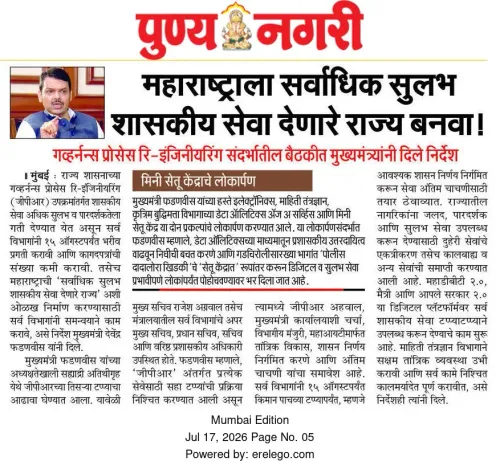
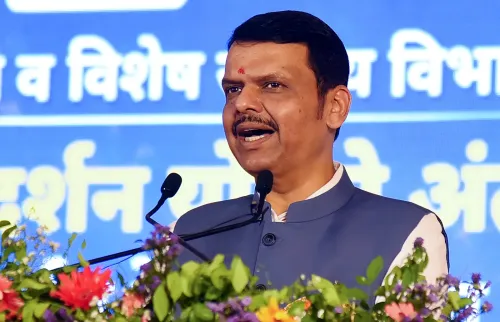
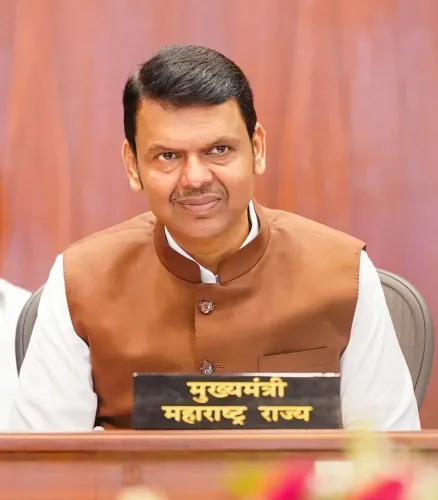
Mumbai, Feb 9 (NationPress) Chief Minister Devendra Fadnavis stated on Monday that all government departments must collaborate efficiently to guarantee that the advantages of these reforms directly benefit the ordinary citizen.
He emphasized the importance of this initiative as the state government has introduced an ambitious administrative reform program, ‘GPR 2.0’, aimed at fundamentally transforming Maharashtra's administrative operations. He noted that Prime Minister Narendra Modi has praised this innovative approach and encouraged other states to adopt this model.
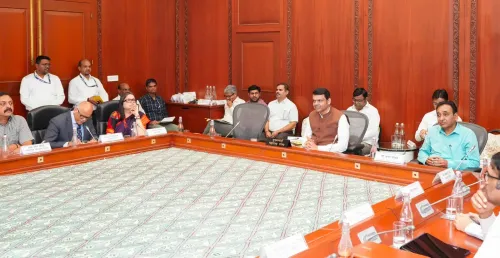
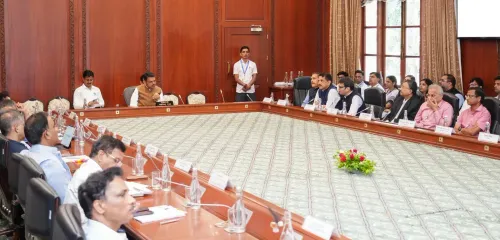
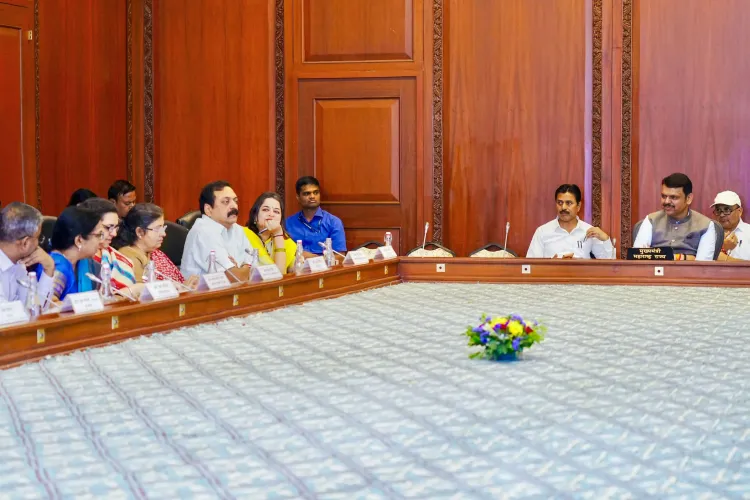
During a review meeting on administrative reforms, CM Fadnavis noted that these reforms are being executed in a logical and cohesive manner through ‘GPR 2.0’.
"The first phase has concluded successfully, with all departments performing exceptionally well. The second phase is expected to be finalized by May 1, 2026. Once these reforms are fully in place, we must ensure that citizens receive administrative services in a more straightforward, quicker, and transparent manner," he stated.
The Chief Minister further stressed the necessity of preparing the state’s administrative services, institutional development, infrastructure, and resources to be future-ready and resilient.
"Historic advancements are being made in this regard through GPR 2.0. The next five to ten years will be pivotal for these transformations, and the government will undoubtedly be recognized for this significant contribution in the years to come," he added.
Key aspects of the ‘GPR 2.0’ Administrative Reform initiative include the empowerment of government departments, focusing on monitoring by the Chief Minister’s Office (CMO), the IT Department, and the State Information Commissioner's Office for timely implementation of centralized empowerment. This initiative aims to establish a robust system to provide administrative services to citizens in an easy, accessible, and organized manner, while defining a 'Citizen’s Charter' to guarantee that citizens receive straightforward and high-quality services and effectively implement various government schemes intended for the public, according to the government release.
The GPR 2.0 initiative also emphasizes enhancing service delivery by reforming services on the ‘MahaDBT’ and ‘Aaple Sarkar’ portals, finalizing 263 schemes under ‘MahaDBT 2.0’ and integrating them into ‘GPR 2.0’, streamlining 1,074 services within ‘Aaple Sarkar’, and managing 424 standardized services while selecting high-performing centers among the 17,624 ‘Aaple Sarkar’ service centers to be designated as ‘Smart Centers’, as stated in the government release.
Point of View
The introduction of the ‘GPR 2.0’ administrative reform initiative by Maharashtra's government showcases a proactive approach to governance. By emphasizing coordination and transparency, the initiative aims to bridge the gap between the government and the public, ensuring that reforms translate into tangible benefits for ordinary citizens. Such initiatives should be monitored closely, as they represent a significant step toward improved accountability in public service.
NationPress
29 Sept 2026
Frequently Asked Questions
What is the ‘GPR 2.0’ initiative?
The ‘GPR 2.0’ initiative is an ambitious administrative reform program launched by the Maharashtra government, aiming to transform the state's administrative functioning and enhance service delivery for citizens.
When is the second phase of ‘GPR 2.0’ expected to be completed?
The second phase of the ‘GPR 2.0’ initiative is set to be completed by May 1, 2026.
What are the key features of this initiative?
Key features include the empowerment of government departments, monitoring by the Chief Minister’s Office, the establishment of a 'Citizen’s Charter', and enhancements in service delivery through digital platforms.
How does this initiative aim to benefit citizens?
The initiative aims to simplify and expedite administrative services, making them more transparent, accessible, and of higher quality for citizens.
Who has praised the ‘GPR 2.0’ initiative?
Prime Minister Narendra Modi has specifically lauded the ‘GPR 2.0’ initiative and encouraged other states to adopt this model.