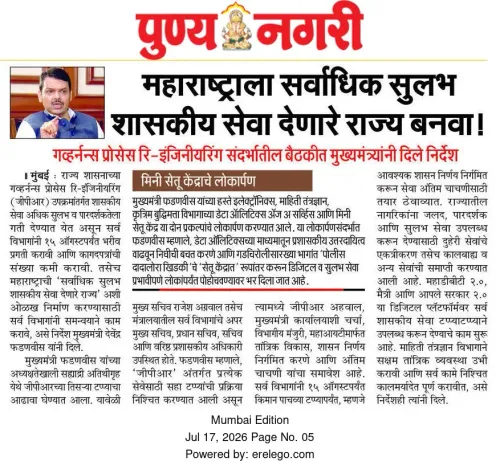
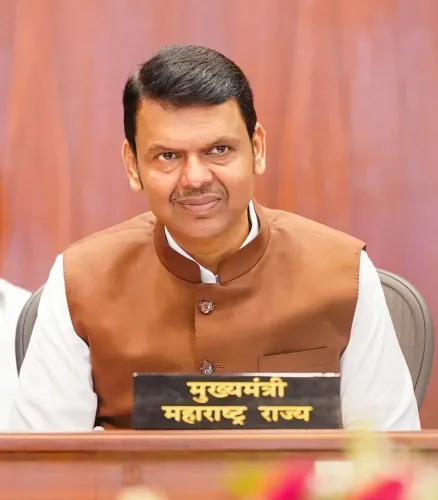
Fadnavis sets August 14 deadline to simplify Maharashtra governance
Synopsis
Maharashtra CM Devendra Fadnavis has put a hard deadline on bureaucratic reform: 14 August 2026, with a public rollout on Independence Day. With 723 of 1,222 services already redesigned and the Revenue Department alone accounting for nearly half the reform target, Aaple Sarkar 2.0 is shaping up as the most ambitious digital governance push in the state in years.
Key Takeaways
CM Devendra Fadnavis directed all Maharashtra departments to expedite the Government Process Re-engineering (GPR) initiative on 25 May .
1,222 services have been reviewed; 723 citizen-centric services have been redesigned so far.
A firm deadline of 14 August 2026 has been set, with reformed digital services to launch on Independence Day, 15 August 2026 .
The Revenue Department leads the reform effort, accounting for 40%–50% of overall GPR goals.
All departments have been directed to develop independent policies for hyper-local digital platforms to inform citizens about welfare schemes.
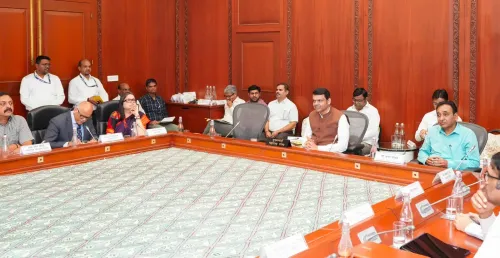
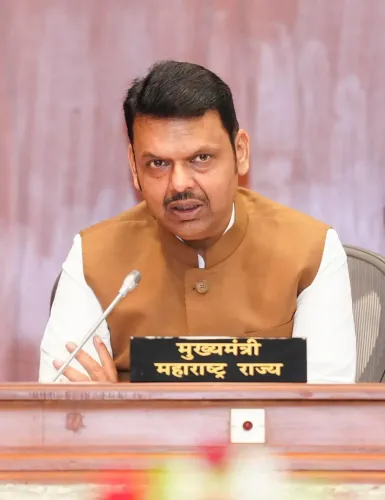
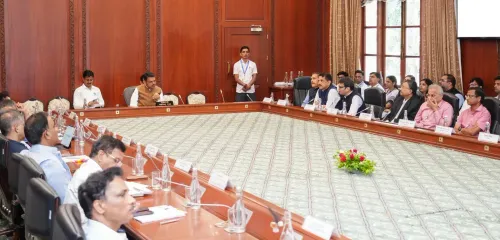
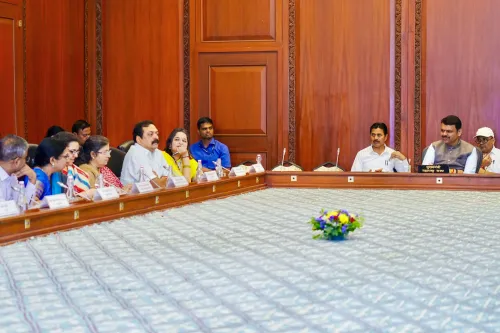
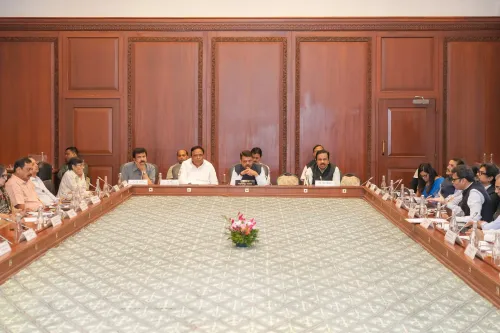
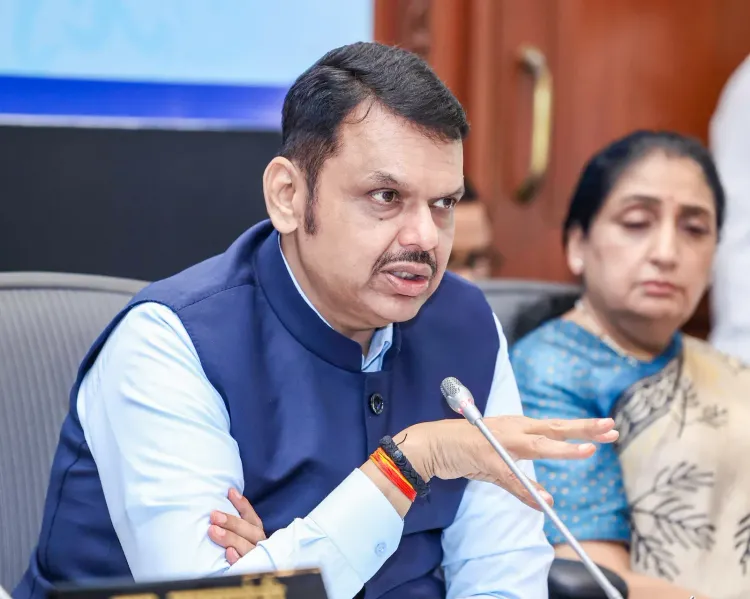
Maharashtra Chief Minister Devendra Fadnavis on Monday, 25 May directed all state departments to fast-track the Government Process Re-engineering (GPR) initiative, setting a firm deadline of 14 August 2026 to complete the overhaul — with reformed digital services set to go live for citizens on Independence Day, 15 August 2026. The directives came during a high-level GPR review meeting in Mumbai.
Key Developments
Reviewing progress under the GPR framework, Fadnavis stated that the state government had shifted its focus from expanding the sheer number of services to improving their core quality. 1,222 services have been reviewed so far, of which 723 highly impactful, citizen-centric services have been redesigned. He added that once full integration is achieved in the next phase, multiple services will be merged, reducing the overall count and making governance more seamless.
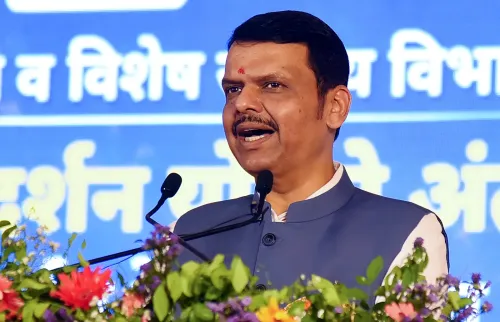
The Chief Minister directed officials to accelerate service restructuring under the 'Aaple Sarkar 2.0' initiative. “Once the service modules of Aaple Sarkar 2.0 are fully operational, it will fundamentally transform the public’s perception of government functioning,” he said.
What the Government Said
Fadnavis highlighted how the earlier introduction of self-certification had successfully eliminated the need for redundant affidavits and official stamps, saving citizens’ time while promoting direct accountability. He instructed all department heads to personally monitor workflows, audit existing procedures, and remove unnecessary steps to accelerate public service delivery.
He noted that layers of bureaucratic procedures accumulated over the years had created unnecessary bottlenecks, and that restructuring through GPR would benefit citizens while drastically improving administrative efficiency.
Revenue Department Leads Reform
During the review, Fadnavis lauded the Revenue Department for leading the simplification effort. He noted that since the Revenue Department interacts directly with the public, its transformation accounts for nearly 40% to 50% of the government’s overall reform goals — making it the single most consequential department in the GPR rollout.
Local Bodies and Digital Infrastructure
The Chief Minister also ordered a renewed focus on local self-government bodies. While pilot projects are underway at the local level, he stressed the urgent need to develop a uniform, robust digital infrastructure for all municipal and local bodies. He further instructed every department to formulate an independent, structured policy for leveraging hyper-local digital platforms to keep citizens informed about government welfare schemes and governance initiatives.
With the Independence Day deadline now formally set, attention turns to whether all departments can complete integration on schedule — and whether Aaple Sarkar 2.0 delivers the seamless experience promised.
Point of View
A well-worn playbook. The more substantive question is execution: 723 services redesigned sounds impressive, but redesign and seamless integration are different things. Maharashtra’s past e-governance pushes, including earlier Aaple Sarkar iterations, struggled with last-mile adoption at the local body level — precisely the gap Fadnavis is now trying to close. Whether uniform digital infrastructure for municipal bodies can be built in weeks, rather than years, will be the real test of this initiative.
NationPress
9 Oct 2026
Frequently Asked Questions
What is the Government Process Re-engineering (GPR) initiative in Maharashtra?
GPR is a Maharashtra government initiative aimed at simplifying public services by eliminating redundant steps, unnecessary documentation, and bureaucratic delays. Under it, 1,222 services have been reviewed and 723 have been redesigned to be more citizen-centric.
What is the deadline set by CM Fadnavis for the governance reforms?
CM Devendra Fadnavis has set 14 August 2026 as the deadline to complete the service simplification process, with the reformed digital services scheduled to be rolled out to citizens on Independence Day, 15 August 2026.
What is Aaple Sarkar 2.0?
Aaple Sarkar 2.0 is the Maharashtra government’s upgraded digital services platform under which the restructured, citizen-friendly services will be made available. Once fully operational, it is intended to merge multiple services and reduce process complexity for residents.
Why is the Revenue Department highlighted in the GPR reform?
The Revenue Department was singled out for leading the simplification effort because it interacts directly with the general public. CM Fadnavis noted that its transformation alone represents nearly 40% to 50% of the government’s overall GPR reform goals.
How will local bodies be covered under the digital governance push?
CM Fadnavis ordered development of a uniform, robust digital infrastructure for all municipal and local bodies, where pilot projects are already underway. Each department has also been directed to formulate an independent policy for using hyper-local digital platforms to reach citizens.