CM Fadnavis Pushes GPR Reforms, Eyes Aug 15 Citizen Service Revamp
Synopsis
Maharashtra CM Devendra Fadnavis has directed all state departments to complete service restructuring under Governance Process Re-engineering and Aaple Sarkar 2.0 by August 14, 2026, targeting a citizen-facing launch on Independence Day. Gates Foundation and Samagra officials attended the review meeting.
Key Takeaways
CM Fadnavis chaired a GPR review meeting on May 25, 2026 , directing all Maharashtra departments to restructure services under the GPR framework.
The government has set August 14, 2026 as the deadline for completing service restructuring under Aaple Sarkar 2.0 , with the new framework going live on August 15 .
Fadnavis instructed departments to develop structured strategies for citizen outreach via hyperlocal digital platforms .
Representatives from the Gates Foundation , governance firm Samagra , and Inshorts attended the meeting alongside senior officials.
The initiative builds on Maharashtra's GPR efforts dating to 2015–2016 and the original Aaple Sarkar portal launched in 2017 .
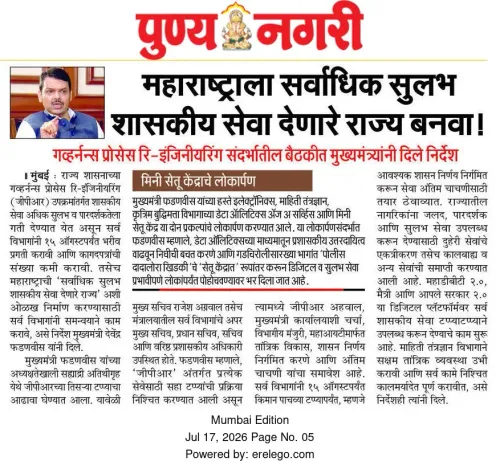
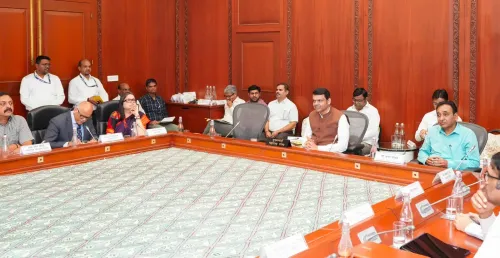
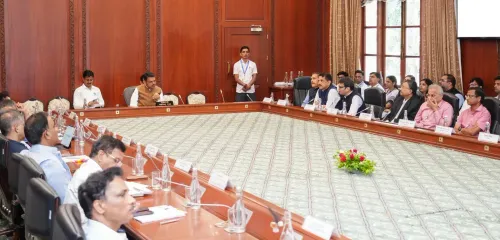
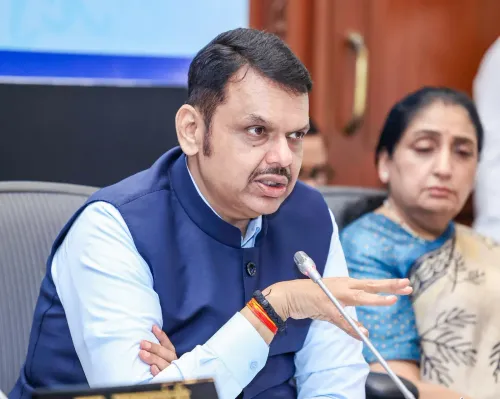
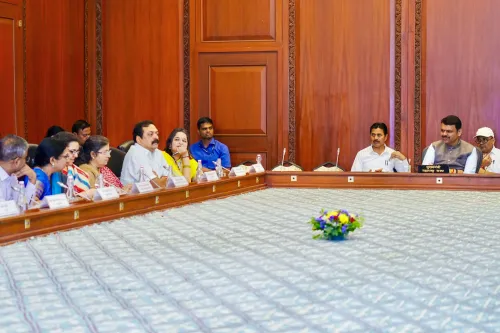
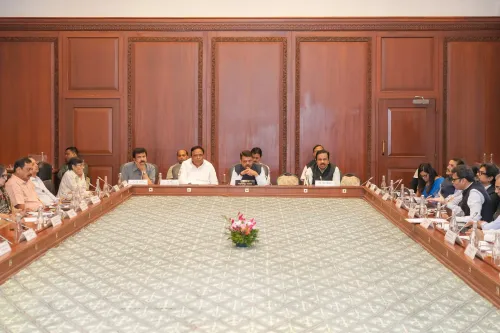
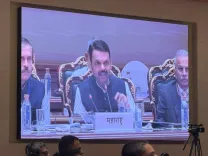
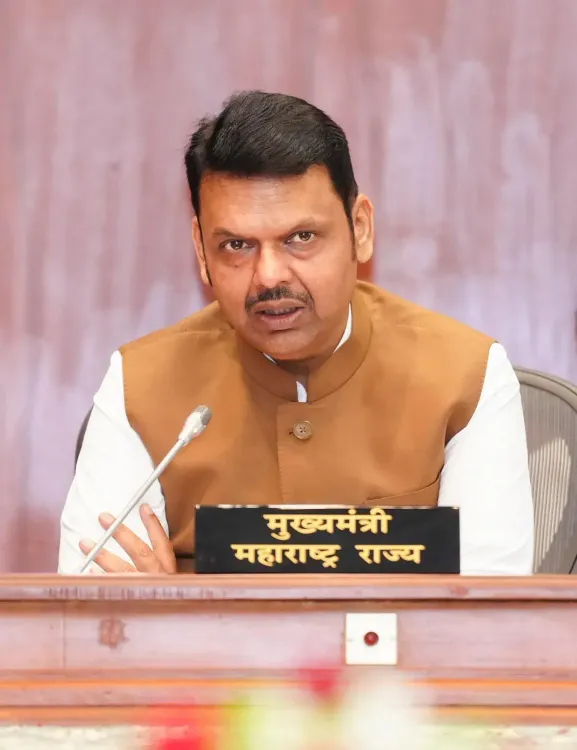
Maharashtra Chief Minister Devendra Fadnavis on Monday, May 25, 2026, chaired a high-level review meeting on Governance Process Re-engineering (GPR), directing all state departments to restructure their services under the Aaple Sarkar 2.0 framework ahead of an August 15, 2026 rollout deadline.
Context
Fadnavis announced that the government is committed to completing the service restructuring process by August 14, so citizens can experience the revamped governance framework from August 15, 2026 onwards — timed to coincide with India's Independence Day. He directed every department to review existing services and bring them within the GPR framework, with an emphasis on making government delivery 'simpler, faster and more citizen-centric.'
The Chief Minister also stressed the importance of communicating government initiatives through hyperlocal digital platforms, instructing departments to formulate structured strategies for planned and impactful outreach at the grassroots level.
Policy Backdrop
The Aaple Sarkar portal was first launched by Maharashtra in 2017 as a consolidated online platform for citizen services across departments. The current Aaple Sarkar 2.0 initiative builds on that foundation, aligning with the national Digital India programme that has driven state-level governance process re-engineering since 2015.
Maharashtra's GPR efforts date to around 2015–2016, when the state began streamlining back-end administrative processes alongside the Digital India push. The present phase represents a more structured, deadline-driven acceleration of that earlier work, with cross-departmental mandates and private-sector expertise brought into the fold.
Stakeholders and Impact
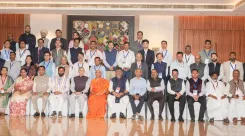
The review meeting was attended by Archna Vyas, India Office Director at the Gates Foundation; Arnav Kapur, Deputy Director for Policy, Communications and Philanthropic Partnerships at the Gates Foundation; Gaurav Goel, Founder and CEO of governance consulting firm Samagra; and Joy Bandekar, Group President of Strategy and Planning at Inshorts, alongside senior government officials.
The presence of the Bill and Melinda Gates Foundation signals continued philanthropic and technical support for data-driven public administration in Maharashtra. Samagra has previously partnered with state governments on process re-engineering projects, while Inshorts's inclusion points to the administration's focus on hyperlocal digital communication strategies for citizen outreach.
For ordinary Maharashtra residents, the reforms promise faster access to government services — from certificates and licences to welfare entitlements — through a single, simplified digital interface. Similar initiatives in states such as Andhra Pradesh and Karnataka have demonstrated measurable reductions in service delivery timelines when backed by robust process redesign.
What's Next
All state departments now face a firm internal deadline of August 14, 2026 to complete their service restructuring under the GPR framework. The government will simultaneously roll out department-wise hyperlocal digital communication strategies to ensure citizens are informed of the changes.
If the August deadline is met, it would mark a significant milestone in Maharashtra's decade-long digital governance journey — and set a benchmark for other large states pursuing citizen-centric administrative reform under the Digital India umbrella.
Point of View
Framing administrative reform as a patriotic deliverable rather than a bureaucratic process. The involvement of the Gates Foundation and Samagra signals that Maharashtra is positioning itself as a model state for philanthropic-government co-design of public services, a trend gaining traction across India's larger states. The hyperlocal digital outreach directive is notable: it suggests the administration has absorbed lessons from earlier e-governance rollouts where low citizen awareness undermined adoption. Whether the August deadline holds across all departments will be the real test of this reform cycle's ambition.
NationPress
9 Oct 2026
Frequently Asked Questions
What is Governance Process Re-engineering in Maharashtra?
Governance Process Re-engineering (GPR) is Maharashtra's programme to simplify, digitise and speed up government service delivery across all state departments, making interactions more citizen-centric. It was first initiated around 2015–2016 alongside the national Digital India programme.
What is Aaple Sarkar 2.0?
Aaple Sarkar 2.0 is the Maharashtra government's upgraded integrated digital platform for citizen services, building on the original Aaple Sarkar portal launched in 2017. The 2.0 version aims to bring all departmental services under a single, restructured GPR framework.
When will the new governance framework be available to Maharashtra citizens?
CM Fadnavis has set August 14, 2026 as the internal completion deadline, with the new framework going live for citizens from August 15, 2026 — India's Independence Day.
Why was the Gates Foundation at the GPR review meeting?
The Bill and Melinda Gates Foundation, represented by India Office Director Archna Vyas and Deputy Director Arnav Kapur, has been supporting data-driven policy and technology adoption in Indian public administration. Their presence indicates continued philanthropic partnership with Maharashtra on governance reform.
What role does Samagra play in Maharashtra's governance reforms?
Samagra is a governance consulting firm with experience in process re-engineering projects for state governments. Its Founder and CEO Gaurav Goel attended the review meeting, reflecting the state's use of private-sector expertise to drive administrative transformation.