Maha e-HRMS launched: Fadnavis calls it face of Maharashtra's digital admin
Synopsis
Maharashtra has replaced service books in use since 1935 with a fully integrated digital HR platform spanning 42 departments and 123 establishments. The launch of Maha e-HRMS, an indigenous AI assistant, and the country's first automated e-Order Module positions the State as a national benchmark for administrative digitisation — but the real test comes when the system expands beyond the IAS cadre to the broader government workforce.
Key Takeaways
CM Devendra Fadnavis launched Maha e-HRMS , Maha-IAS , and the Mentor-Mentee Portal in Mumbai on 24 August .
Physical service books in use since 1935 will be replaced with digital e-Service Books under the new system.
The platform integrates rules across 123 establishments under 42 government departments .
Jigyasa , an indigenous AI -based assistant, and India's first automated e-Order Module were also unveiled.
The first phase covers the IAS cadre ; broader State Government employees will be onboarded in subsequent phases.
The platform is built by NIC Maharashtra and integrates with DigiLocker , e-Office , iGOT Karmayogi , and other national systems.
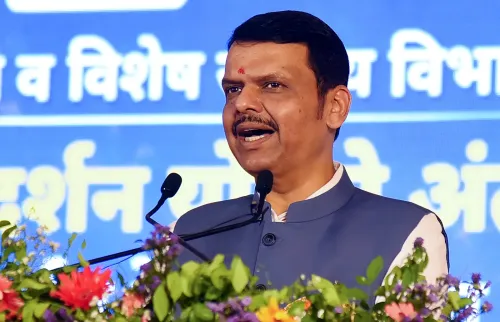
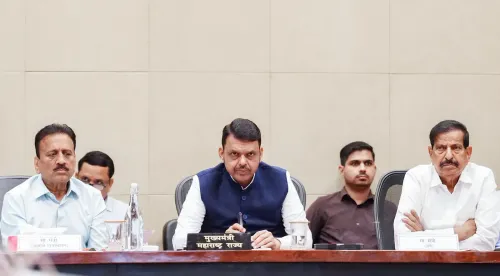
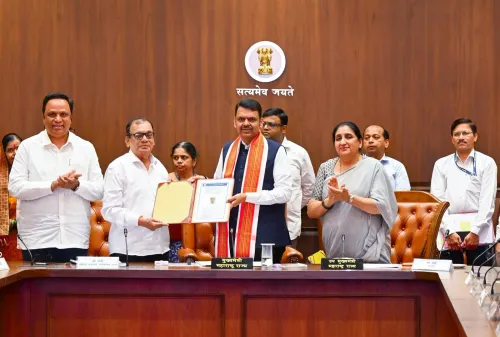
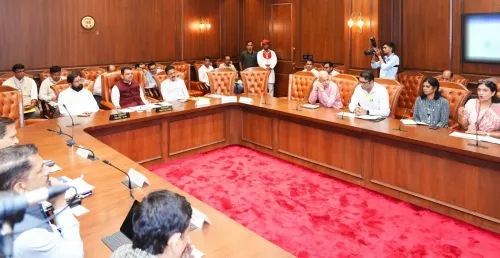
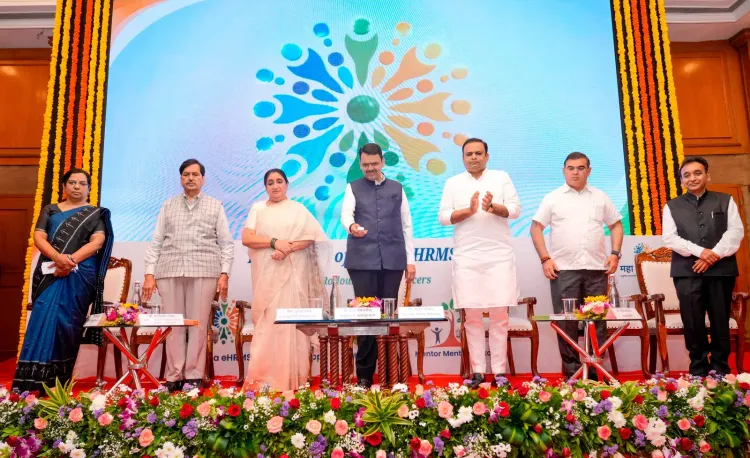
Chief Minister Devendra Fadnavis on Monday, 24 August inaugurated a suite of digital governance platforms in Mumbai, declaring that the newly launched Maha e-HRMS system would become the defining face of dynamic administration in Maharashtra. The launch marks the first phase of the State's comprehensive Government Process Re-engineering (GPR) initiative, aimed at replacing over a century of paper-based administrative processes with a fully integrated digital framework.
What Was Launched
Three flagship platforms were unveiled at the event: Maha e-HRMS, Maha-IAS, and the Mentor-Mentee Portal. Alongside these, Jigyasa — an indigenous artificial intelligence-based smart assistant — and the country's first automated e-Order Module were also introduced. The platforms have been developed by the Maharashtra State Unit of the National Informatics Centre (NIC) on a secure, open-source architecture.
The system integrates rules and procedures across 123 establishments under 42 government departments. Physical service books that have been in use since 1935 will be replaced with structured digital e-Service Books, which will be automatically updated based on orders issued through the e-Order Module. Officers and employees will receive real-time notifications via SMS or email to keep their digital service records current throughout their careers.
What the Platforms Do
Jigyasa is trained on rules governing IAS and other All India Services, providing officers with guidance on service records, applicable rules, admissible entitlements, and related matters. The Mentor-Mentee Portal creates a structured channel for senior officers to share field experience, administrative skills, and institutional knowledge with junior colleagues.
Through the e-HRMS mobile application, officers and employees can access services remotely — including viewing salary slips, checking attendance, and submitting leave applications. The platform is integrated with e-Office, iGOT Karmayogi, Mahapar, Sevaarth, NPS, DigiLocker, Bhashini, e-Cabinet, and other State and national-level systems. Emerging technologies including AI and blockchain have been incorporated, with intelligent assistance available through Jigyasa, Maha-AI, and Anubhav AI.
What the Government Said
CM Fadnavis noted that government officers are often bogged down in procedural compliance, and that this initiative aims to make governance simpler, faster, and technology-driven. He highlighted that the new system will accelerate the promotion process and digitise the entire service lifecycle — from appointment order to retirement documentation. He congratulated the General Administration Department for its role in developing the system.
Deputy Chief Minister Sunetra Pawar described the launch as a milestone that would be recorded in the State's governance history, noting that the success of any policy ultimately depends on the administrative machinery executing it. She added that the system integrates six digital tools and will bring greater speed and efficiency to service-related matters.
Additional Chief Secretary (Services) V. Radha outlined the rollout trajectory, confirming that the first phase covers the State's IAS cadre, with officers and employees across all State Government departments to be included in subsequent phases.
Broader Significance
The GPR initiative was launched by the Maharashtra government approximately two years ago. This digital HR overhaul is positioned as a major component of that broader reform agenda. Notably, this is among the most comprehensive state-level HR digitisation efforts in India, spanning dozens of departments and drawing on multiple national digital infrastructure platforms. Whether the rollout to non-IAS cadres proceeds on schedule will be the real measure of the initiative's reach.
Point of View
Paper-heavy HR apparatus — and the NIC-built, multi-platform integration is technically more sophisticated than most state-level efforts. But the initiative's credibility hinges on Phase 2: extending coverage beyond the IAS cadre to the hundreds of thousands of State Government employees still operating on legacy processes. Digitising the elite tier of administration is the easy part; the harder test is whether the same speed and efficiency reaches the district and panchayat level. The GPR programme has been running for two years, and this launch is its most visible output yet — accountability for outcomes, not just outputs, must follow.
NationPress
24 Aug 2026
Frequently Asked Questions
What is Maha e-HRMS and what does it do?
Maha e-HRMS is Maharashtra's integrated digital human resource management system, launched on 24 August 2025. It replaces physical service books in use since 1935 with digital e-Service Books, automates service-related records via an e-Order Module, and covers 123 establishments across 42 government departments.
Who developed the Maha e-HRMS platform?
The platform was developed by the Maharashtra State Unit of the National Informatics Centre (NIC). It is built on a secure, open-source architecture and uses Parichay and NAPiX technologies, integrated with national platforms including DigiLocker, e-Office, iGOT Karmayogi, and e-Cabinet.
What is Jigyasa, the AI assistant launched alongside Maha e-HRMS?
Jigyasa is an indigenous AI-based smart assistant trained on rules governing IAS and other All India Services. It provides officers with guidance on service records, applicable service rules, admissible entitlements, and other service-related matters.
Who is covered under Maha e-HRMS right now?
The first phase of Maha e-HRMS covers Maharashtra's IAS cadre. Officers and employees across all State Government departments are to be included in subsequent phases, according to Additional Chief Secretary (Services) V. Radha.
What is the Mentor-Mentee Portal launched with Maha e-HRMS?
The Mentor-Mentee Portal is a digital platform that enables senior government officers to share field experience, administrative skills, and institutional knowledge with junior officers, structured as part of the broader Maha e-HRMS ecosystem.