Manipur CM meets IDP groups, vows rehabilitation after ethnic violence
Synopsis
More than a year after Manipur's worst ethnic violence in decades killed over 260 and displaced 70,000, Chief Minister Yumnam Khemchand Singh sat down with six IDP groups in Imphal — pledging rehabilitation and pointing to the reopening of NH-2 as a lifeline. The assurances are significant, but with over 60,000 still in relief camps and no timelines set, the gap between promise and delivery remains wide.
Key Takeaways
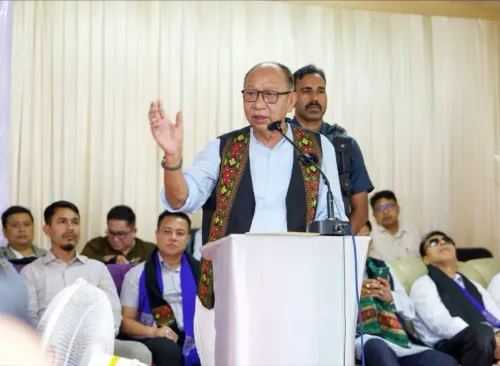
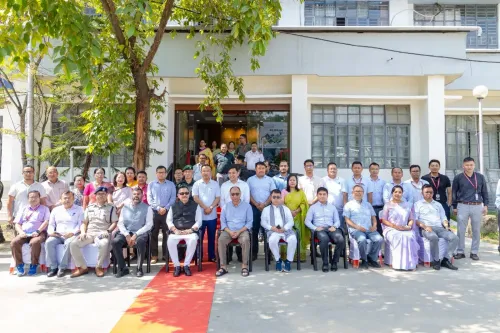
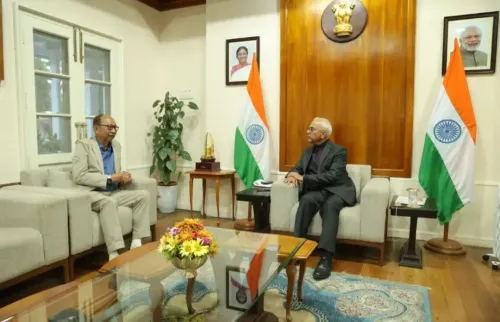
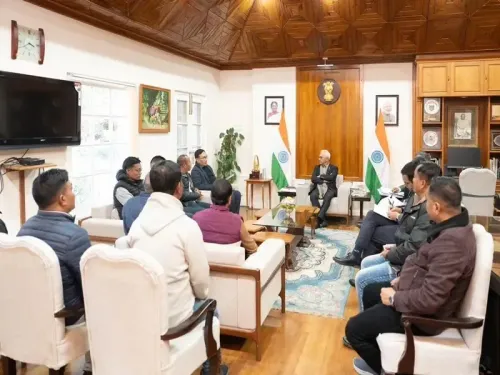
Manipur Chief Minister Yumnam Khemchand Singh met representatives of six IDP groups at his official bungalow in Imphal on Monday .
He assured all grievances raised would be addressed and pledged rehabilitation and resettlement of displaced communities.
The Imphal–Dimapur–Guwahati National Highway-2 has been reopened to all communities, with public transport services resumed.
Ethnic violence between the Meitei and Kuki-Zo communities broke out on 3 May 2023 , killing over 260 and injuring around 1,500 .
More than 70,000 people were displaced; the state runs over 300 relief camps sheltering more than 60,000 individuals.
No specific timelines for resettlement were announced following the meeting.
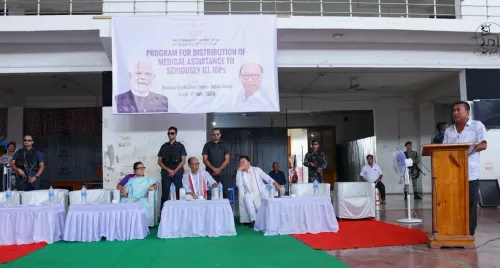
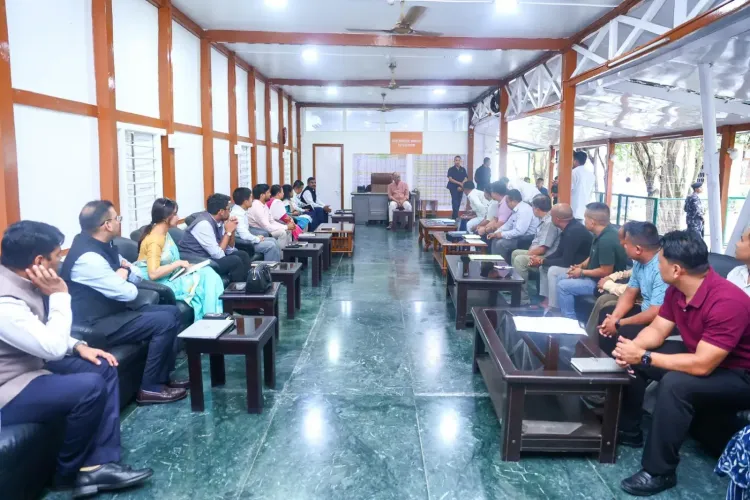
Manipur Chief Minister Yumnam Khemchand Singh on Monday met representatives of six groups of Internally Displaced Persons (IDPs) at the Chief Minister's Bungalow in Imphal, assuring them that the state government would address their grievances and take concrete steps toward rehabilitation and resettlement of those uprooted by ethnic violence.
What the Chief Minister Promised
Khemchand Singh told the IDP representatives that all issues raised during the meeting would be addressed, and emphasised that the state government was 'sincerely working' toward the rehabilitation and resettlement of displaced communities. The meeting was attended by State Home Commissioner N. Ashok Kumar and the Deputy Commissioners of all districts currently housing IDPs.
NH-2 Reopening: A Key Development
The Chief Minister informed the gathering that the Imphal–Dimapur (Nagaland)–Guwahati National Highway-2 has been reopened to all communities, with public transport services along the vital corridor resuming smoothly. Khemchand Singh said the highway's resumption would help ease several problems faced by the displaced population. IDP representatives acknowledged the move as a significant step, noting that the restored connectivity now facilitates the movement of people and essential commodities between Manipur and neighbouring Nagaland and Assam.
Scale of Displacement and Violence
The ethnic conflict that erupted on 3 May 2023 between the Meitei and Kuki-Zo communities — triggered by a 'Tribal Solidarity March' in the hill districts protesting the Meitei community's demand for Scheduled Tribe status — left a devastating toll. More than 260 people were killed, around 1,500 injured, and over 70,000 displaced. The state government subsequently established more than 300 relief camps across the Imphal Valley and hill regions, sheltering over 60,000 men, women, and children.
What Happens Next
The IDP representatives used the meeting to place their resettlement grievances directly before the government. With the NH-2 corridor now operational and senior district officials present, the state administration appears to be signalling a more coordinated rehabilitation push. However, the path to full resettlement for tens of thousands of displaced persons remains long, and no specific timelines were announced. All eyes will be on whether the government's assurances translate into measurable action on the ground.
Point of View
000 people remain in relief camps more than a year after the violence began. The reopening of NH-2 is a genuine logistical win, but connectivity alone does not resolve the deeper question of whether displaced Meitei and Kuki-Zo families can safely return to their original homes. The absence of any announced deadlines or independent monitoring mechanism risks reducing this engagement to symbolic optics. Manipur's ethnic fault lines have not healed; without a political settlement between the two communities, rehabilitation pledges will continue to outpace delivery.
NationPress
25 Aug 2026
Frequently Asked Questions
Who are the IDPs in Manipur and why are they displaced?
The IDPs — Internally Displaced Persons — are over 70,000 Meitei and Kuki-Zo community members uprooted by ethnic violence that broke out on 3 May 2023 in Manipur. The conflict was triggered by a 'Tribal Solidarity March' protesting the Meitei community's demand for Scheduled Tribe status, and has since killed more than 260 people and injured around 1,500.
What did Manipur CM Yumnam Khemchand Singh promise the IDP representatives?
Chief Minister Yumnam Khemchand Singh assured representatives of six IDP groups that the state government would address all grievances raised and take necessary steps for rehabilitation and resettlement. He also highlighted the reopening of NH-2 as a step toward easing the hardships faced by displaced persons.
What is the significance of the NH-2 reopening for Manipur's IDPs?
The Imphal–Dimapur–Guwahati National Highway-2 had been a flashpoint and was restricted during the conflict. Its reopening to all communities and the resumption of public transport restores a vital connectivity link between Manipur and neighbouring Nagaland and Assam, aiding the movement of people and essential goods — a key concern raised by displaced communities.
How many relief camps are currently operating in Manipur?
The Manipur state government has established more than 300 relief camps across the Imphal Valley and hill regions, sheltering over 60,000 displaced men, women, and children since the outbreak of ethnic violence in May 2023.
Has any timeline been set for resettlement of Manipur's IDPs?
No specific timelines for resettlement were announced following the Monday meeting. The Chief Minister's assurances were general in nature, and no independent monitoring mechanism was detailed, leaving the pace of rehabilitation uncertain.