Maharashtra mandates 5 GPR reforms to end office visits, cut approval tiers
Synopsis
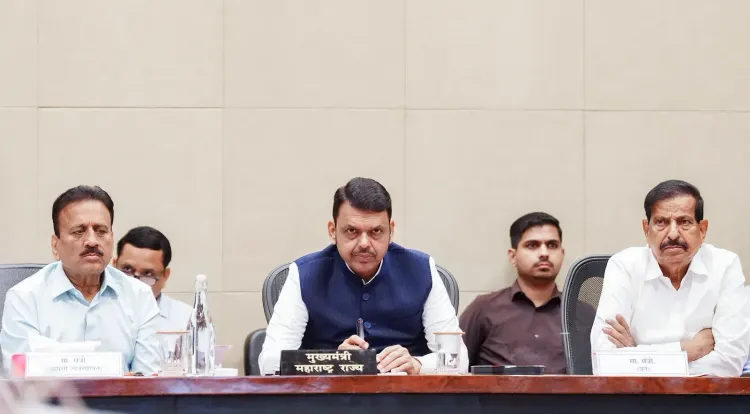
Maharashtra has issued a binding Government Resolution mandating five GPR reforms that together promise to end physical office visits, slash approval tiers to three, and push every department to go digital-first. With MahaIT on execution and the Chief Secretary chairing oversight, this is CM Fadnavis's most operationally specific move yet under his 'Zero Bureaucracy' agenda.
Key Takeaways
The Maharashtra government issued a Government Resolution on 3 August mandating five GPR reforms across all administrative departments.
Citizens will no longer need to visit offices; departments must use Aadhaar , Maha-Samanvay , DigiLocker , and API interoperability for verification.
Decision-making chains are capped at a maximum of three administrative tiers with defined roles at each level.
A state-level GPR Approval Committee chaired by the Chief Secretary will oversee the transition.
State IT agency MahaIT has been assigned priority execution for portal upgrades and digital infrastructure.
The reforms are part of CM Devendra Fadnavis 's broader 'Zero Bureaucracy' model; the secretariat was earlier expanded from 33 to 45 departments without new posts.
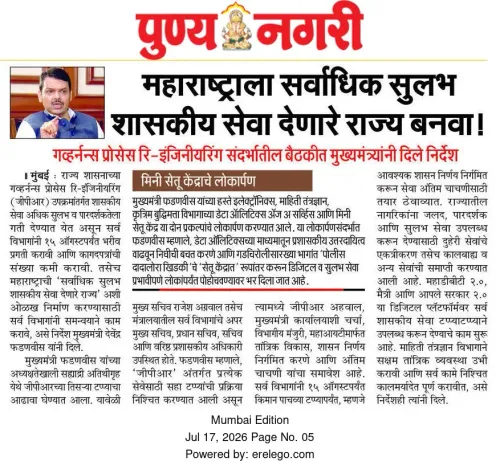
The Maharashtra government has mandated five major Government Process Re-engineering (GPR) reforms across all administrative departments, aiming to eliminate physical office visits, cap approval chains at three tiers, and accelerate public service delivery. The directive was issued through a Government Resolution (GR) by the state planning department on Monday, 3 August.
What the Five Reforms Cover
Under the GR, departments are required to shift exclusively to online verification and digital validation, ending the need for citizens to visit government offices in person. Application forms will be streamlined by auto-fetching data from established databases including Aadhaar and Maha-Samanvay, reducing manual entry and redundant paperwork.
Physical document submission is being phased out wherever digital records exist. Departments will instead rely on DigiLocker, API interoperability, and self-declarations. Decision-making chains are capped at a maximum of three administrative tiers, with clearly defined roles at each level to eliminate bureaucratic bottlenecks.
Processing timelines will be compressed through expanded technology integration, backed by updated statutory deadlines under the Right to Services (RTS) Act.
Oversight Structure
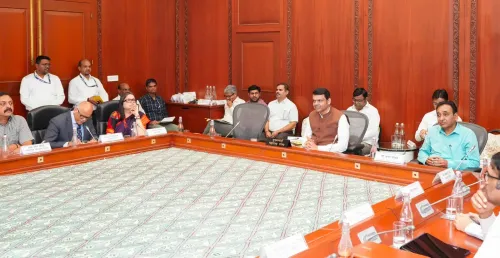
A state-level GPR Approval Committee, chaired by the Chief Secretary, will supervise the transition. The committee is responsible for evaluating department-wise proposals, validating digital workflows, approving revised application forms, and sanctioning streamlined approval structures.
For operational updates that do not require legislative amendments or high-level policy changes, administrative department secretaries are authorised to issue procedural orders directly — reducing the need for committee-level clearance on routine matters.
MahaIT's Role in Digital Infrastructure
State IT enterprise MahaIT has been assigned priority execution responsibility to modify government portals and build out the required digital infrastructure to support the reformed workflows. The agency's mandate covers both back-end system integration and citizen-facing portal upgrades.
Fadnavis's 'Zero Bureaucracy' Push
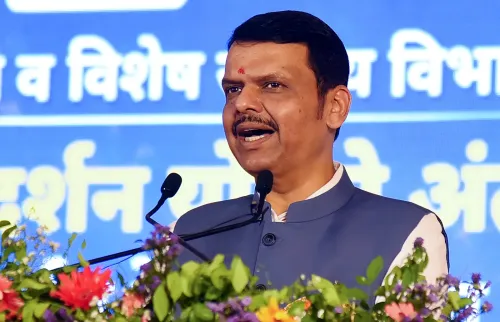
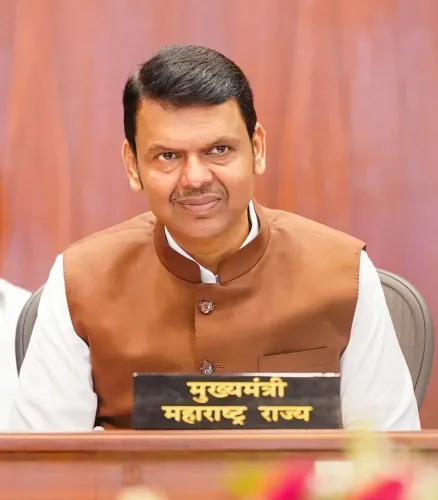
The GPR initiative is part of a broader administrative overhaul championed by Chief Minister Devendra Fadnavis, who has consistently advocated a 'Zero Bureaucracy' model focused on process simplification over office expansion. The state cabinet had earlier approved the reorganisation of the state secretariat, expanding administrative departments from 33 to 45 without creating new posts.
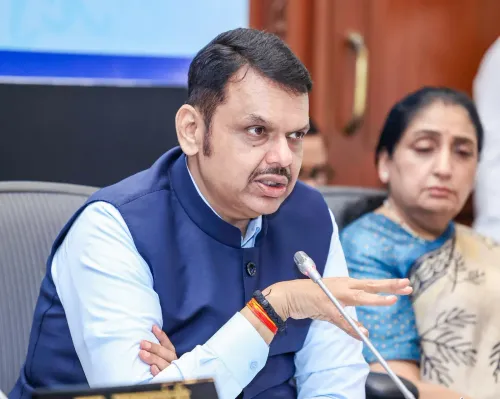
Fadnavis has publicly argued that administrative efficiency depends on simplifying processes rather than enlarging hierarchies, and has urged government departments to operate with the agility of startups. This latest GR is the operational translation of that vision into binding departmental directives.
What Comes Next
With MahaIT tasked with portal modifications and the GPR Approval Committee set to evaluate proposals department by department, implementation timelines will vary by sector. The success of the reform will hinge on how quickly departments complete digital workflow validation and whether the RTS Act's revised statutory timelines are enforced with accountability. Citizens and civil society groups will be watching whether the 'no physical visit' guarantee holds in practice.
Point of View
And whether the RTS Act's revised timelines carry genuine penalties for non-compliance. Fadnavis's 'startup government' framing is politically sharp, but citizens in semi-urban and rural Maharashtra — where digital literacy and connectivity remain patchy — will experience this reform very differently from those in Mumbai.
NationPress
18 Sept 2026
Frequently Asked Questions
What are the five GPR reforms mandated by the Maharashtra government?
The Maharashtra government has mandated five Government Process Re-engineering reforms: exclusive online verification replacing office visits, auto-fetching of citizen data from Aadhaar and Maha-Samanvay, phasing out physical document submission via DigiLocker and API systems, capping decision-making at three administrative tiers, and compressing processing timelines under the Right to Services Act.
Who will oversee the GPR reform rollout in Maharashtra?
A state-level GPR Approval Committee chaired by the Chief Secretary will oversee the transition. It will evaluate department proposals, validate digital workflows, approve revised forms, and sanction new approval structures. Secretaries of administrative departments can issue procedural orders directly for routine updates.
What role does MahaIT play in these reforms?
State IT enterprise MahaIT has been assigned priority execution responsibility for modifying government portals and building the digital infrastructure required to support the reformed workflows, covering both back-end integration and citizen-facing systems.
How do these reforms fit into CM Fadnavis's broader agenda?
The GPR initiative is part of Chief Minister Devendra Fadnavis's 'Zero Bureaucracy' model, which focuses on process simplification over office expansion. The state cabinet had earlier reorganised the secretariat, expanding departments from 33 to 45 without creating new posts, as part of the same overhaul.
Will citizens in all parts of Maharashtra benefit equally from these reforms?
The reforms are designed to be statewide, but practical impact will vary. Urban citizens with reliable internet access and digital literacy are likely to benefit sooner, while those in semi-urban and rural areas may face challenges related to connectivity and awareness until supporting infrastructure catches up.