NTA exams: Nilekani panel discusses security with Fadnavis
Synopsis
Nandan Nilekani's task force and Maharashtra Chief Minister Devendra Fadnavis have discussed a bigger state role in securing national exams and improving access. Separately, a state panel has recommended adding more than 11,000 posts to the ongoing MPSC Group-C recruitment process.
Key Takeaways
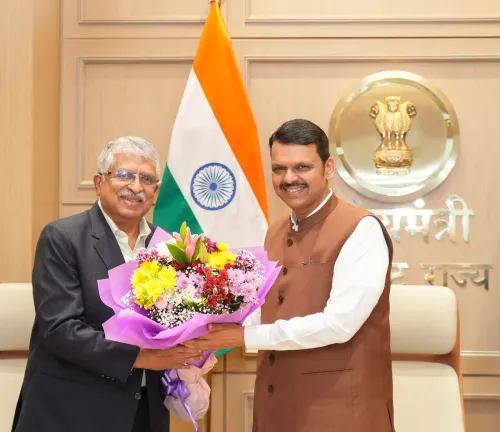
Nandan Nilekani's task force met Chief Minister Devendra Fadnavis in Mumbai on 23 November to discuss the state's role in NTA examinations.
The meeting covered examination centres in every district, trained staff, logistics and security.
Participants discussed access for rural and urban students, differently-abled candidates and those facing difficulty with English.
The separate V Radha Committee received more than 72,000 email suggestions during its consultations.
The committee proposed adding more than 11,000 posts to the ongoing MPSC Group-C Combined Prelims 2026 , bringing vacancies to 16,717 .
The panel recommended a one-time, one-year upper-age relaxation for recruitment advertisements issued up to 31 December 2027 .
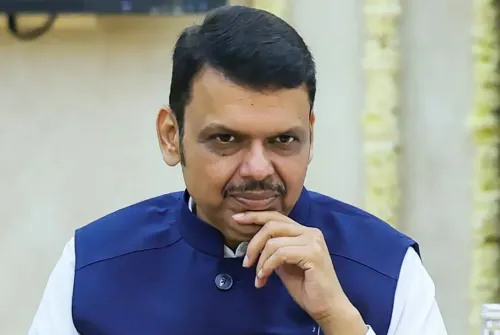
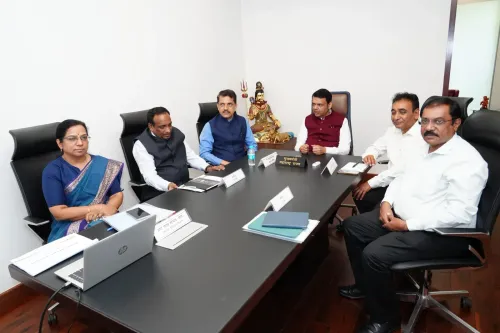
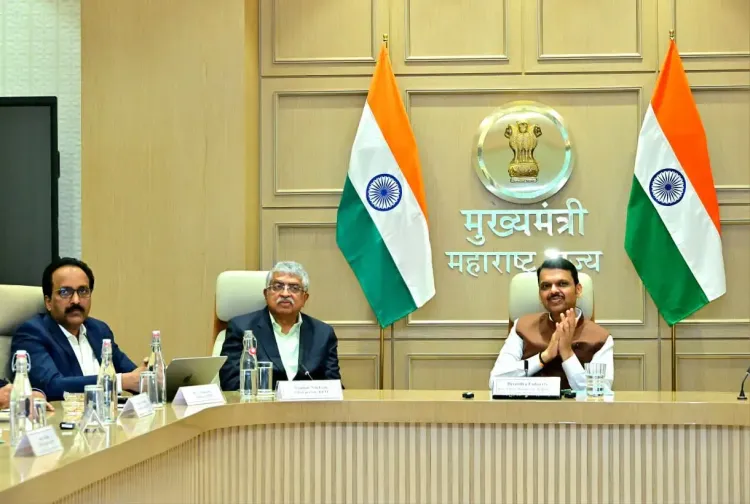
The National Testing Agency (NTA) exams were the focus of talks between a high-level task force led by Nandan Nilekani and Maharashtra Chief Minister Devendra Fadnavis in Mumbai on 23 November. The discussions centred on a larger role for the state in making national-level examinations secure, transparent and easier to conduct.
According to a government release, participants considered how state infrastructure, staff and coordination with central examining agencies could support the process. They also discussed access for students from rural and urban areas, differently-abled candidates and those who face difficulty with English.
Centres, staff and coordination
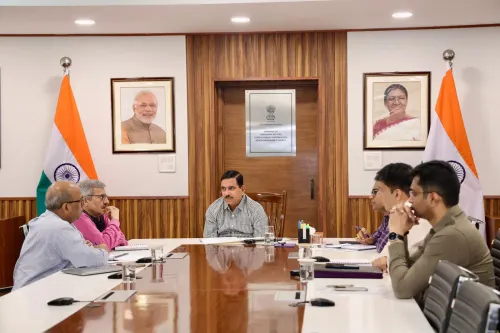
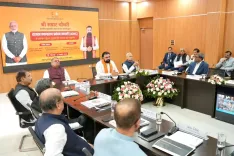
The meeting took place at the Chief Minister's official residence, Varsha. Task force members Dr S Somanath and Shankar Maruwada, National Recruitment Agency Director Shruti Singhal and other officials attended.
The government release said the discussions covered the use of available state infrastructure for large examinations, the availability of centres in every district, training for personnel and examination logistics. Participants also considered using existing government machinery to provide facilities and a secure testing environment.
The proposed coordination spans both state authorities and central examining agencies. The release described the state's role in arranging centres, facilities and trained staff as important to conducting national-level examinations.
Student access and exam security
Participants emphasised changes intended to give rural and urban students equal opportunities during the examination process. Accessibility for differently-abled students and candidates who have difficulty with English was also discussed.
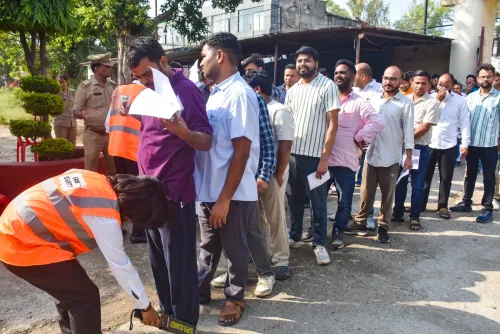
The meeting underscored the need for a secure and transparent system to curb malpractices and maintain examination credibility. Other subjects included providing students with more examination opportunities to reduce academic stress and aligning examination patterns with the nature of the syllabus.
Guidance and training facilities for students preparing for competitive and entrance examinations were also reviewed. The release framed the discussions as an effort to build a reliable, student-centred examination system through closer Centre-state coordination.
Separate Maharashtra panel's recommendations
The meeting came days after the V Radha Committee, a separate seven-member task force appointed by the Maharashtra government, submitted an interim report on Maharashtra Public Service Commission (MPSC) examinations. Its recommendations address paper leaks, delays and procedural irregularities in state recruitment and competitive examinations.
The committee was asked to review the examination process from paper setting and moderation through evaluation, normalisation of marks and final results. It also benchmarked practices against the Union Public Service Commission (UPSC) and other state commissions.
During statewide consultations, the panel heard directly from aspirants across revenue divisions and received more than 72,000 suggestions by email. Its comprehensive final report is expected around January 2027.
Proposed relief and safeguards for MPSC candidates
In its interim report, the committee recommended a one-time, one-year relaxation in the upper age limit for recruitment advertisements issued up to 31 December 2027. The proposal is intended to address grievances of aspirants affected by postponed examinations and pending inquiries.
It also proposed adding more than 11,000 newly requisitioned posts through a corrigendum to the ongoing MPSC Group-C Combined Prelims 2026, taking the total to 16,717 vacancies. The panel recommended reopening applications once for candidates who become eligible under the proposed age relaxation.
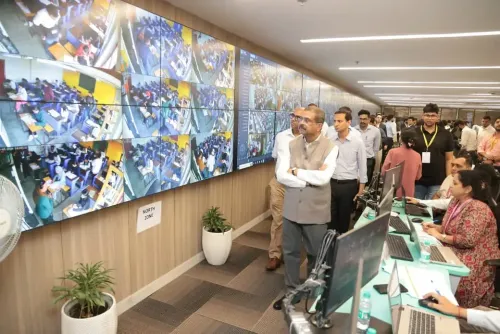
Existing applicants should be allowed to update their educational or reservation details in their MPSC profiles without cancelling earlier applications, the committee recommended. It also called for security measures covering the printing, storage and transit of question papers and OMR sheets, supported by police deployment, CCTV surveillance, signal jammers and trained staff at centres.
The measures remain recommendations; the committee's comprehensive report is expected around January 2027.
Point of View
Not merely on agreements at the top. Accessibility and security must be addressed together: candidates should not have to trade a fair opportunity for a more tightly controlled process. The separate MPSC panel's proposals also show why authorities must distinguish recommendations from decisions and communicate implementation clearly to aspirants.
NationPress
23 Nov 2026
Frequently Asked Questions
What did Nandan Nilekani's panel discuss with Devendra Fadnavis?
The panel discussed a greater Maharashtra government role in conducting secure and accessible NTA examinations. Topics included district-level centres, trained personnel, logistics and coordination with central agencies.
How could the NTA exam discussions affect students?
The discussions addressed access for rural and urban students, differently-abled candidates and those who have difficulty with English. Participants also reviewed offering more exam opportunities and preparation guidance.
What did the V Radha Committee recommend for MPSC Group-C vacancies?
The committee proposed adding more than 11,000 newly requisitioned posts to the ongoing MPSC Group-C Combined Prelims 2026 through a corrigendum. That would bring the total vacancy count to 16,717.
Has an MPSC age relaxation been announced?
The V Radha Committee has recommended a one-time, one-year upper-age relaxation, but the source does not state that it has been implemented. The recommendation covers recruitment advertisements issued up to 31 December 2027.
When is the V Radha Committee's final report expected?
The committee's comprehensive final report is expected around January 2027. It has already submitted an interim report on MPSC examinations.