Maha Navami 2026: Devotees fill MP temples seeking Goddess Durga's blessings
Synopsis
On the final day of Navratri, temples across Madhya Pradesh were overwhelmed with pilgrims — from the hilltop Shaktipeeth in Maihar to the Swayambhu Chamunda shrine in Dewas. The Mata Tekri in Dewas saw devotees complete the climb on their knees, while royalty offered a havan, underscoring how deeply the nine-day festival remains woven into the state's civic and cultural life.
Key Takeaways
Maha Navami was observed on 19 October across Madhya Pradesh , marking the ninth and final day of Sharadiya Navratri .
Lakhs of devotees visited the Maa Sharda Shaktipeeth Dham in Maihar , atop Trikoot Hill , many completing the ascent on foot.
The Mata Tekri shrine in Dewas drew massive crowds for Maa Chamunda morning aarti; some pilgrims approached on their knees.
Maharaj Vikram Pawar of the Dewas royal family performed prayers and a havan at Mata Tekri.
Rituals at Maihar were supervised by chief priest Pawan Pandey (Dau Ji Maharaj) ; the deity was dressed in yellow and red garments.
Devotees across the state also observed fasts and performed Kanya Pujan , worshipping young girls as manifestations of the Goddess.
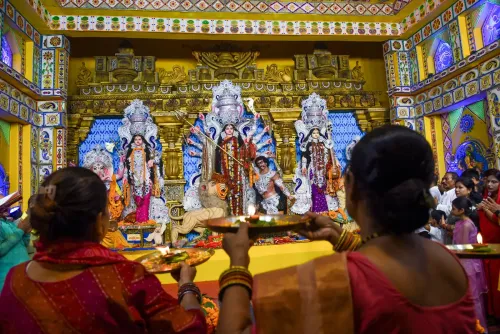
Maha Navami, the ninth and final day of Sharadiya Navratri, was observed across Madhya Pradesh on Monday, 19 October, as lakhs of devotees thronged temples to seek the blessings of Goddess Durga. Chants of 'Jai Mata Di' echoed through shrines in cities including Maihar and Dewas, with pilgrims arriving from distant corners of the state.
Maa Sharda Shaktipeeth Draws Massive Footfall
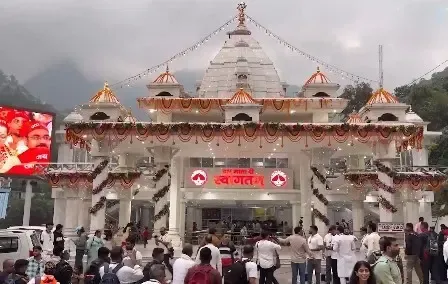
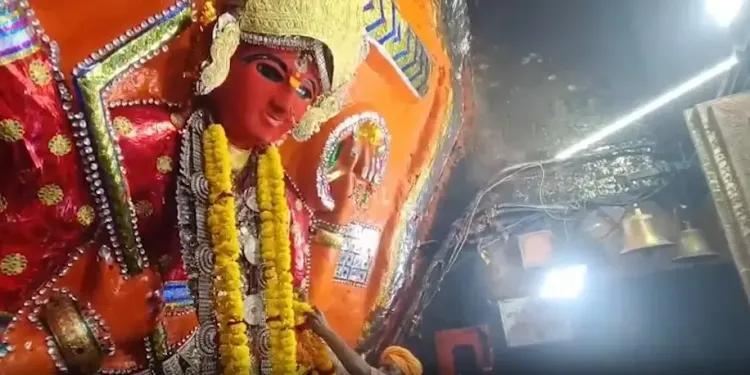
Among the most visited shrines on the occasion was the Maa Sharda Shaktipeeth Dham in Maihar, perched atop Trikoot Hill. Devotees poured in from far-flung areas, with many completing the ascent to the hilltop temple on foot as an act of devotion. The premises resounded with festive fervour throughout the day.
The deity was adorned in traditional yellow and red garments for the occasion. All rituals were conducted in accordance with established traditions under the supervision of chief priest Pawan Pandey, popularly known as Dau Ji Maharaj. Given the heavy footfall, the district administration deployed extensive arrangements for security and the orderly conduct of darshan.
Dewas Mata Tekri Shrine Sees Fervent Prayers
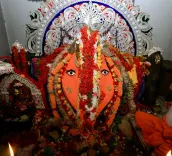
In Dewas, a large number of devotees gathered at the revered Mata Tekri shrine dedicated to Maa Chamunda. Morning aarti drew especially large crowds, and several pilgrims completed the approach to the temple on their knees as an expression of their religious vows, in keeping with longstanding local tradition.
Priest Mukesh Nath said, 'Devtas live here; that is why this city is called Dewas. This is the biggest Swayambhu (self-born) Chamunda Goddess in the world.' Fellow priest Mahesh Nath offered his own prayer for the congregation: 'Lakhs of devotees have come to the temple to seek blessings of the Goddess. Maa Bhagwati may give blessings to all and prosperity to all.'
Maharaj Vikram Pawar, from the royal family of Dewas, performed prayers and a havan at the temple, lending a ceremonial dimension to the day's observances.
Significance of Maha Navami
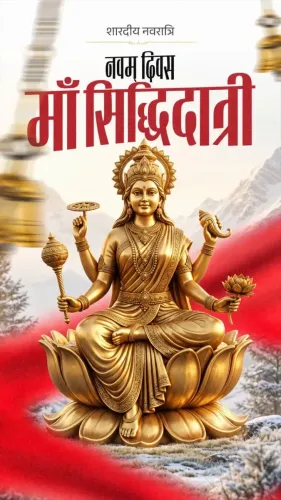
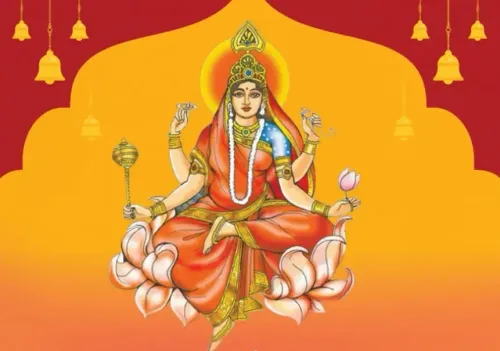
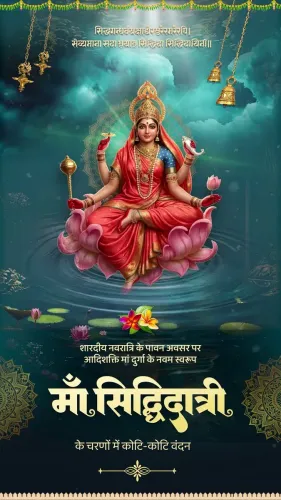
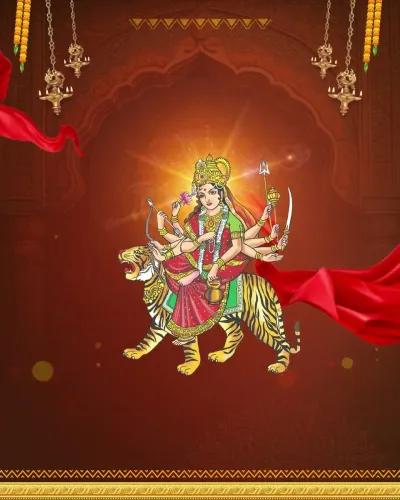
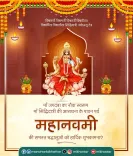
Maha Navami marks the culmination of the nine-day Navratri festival, each day of which is dedicated to one of the nine forms of Goddess Durga. On this final day, devotees traditionally worship Maa Siddhidatri, the deity associated with spiritual fulfilment, wisdom, and the granting of siddhis — divine accomplishments. Special pujas, aartis, and offerings are made at temples and homes across the country.
Fasting and Kanya Pujan Rituals
Beyond temple visits, many devotees observed fasts throughout the day. A widely practised ritual on Maha Navami is Kanya Pujan, in which young girls are worshipped as earthly manifestations of the divine feminine. Families across Madhya Pradesh hosted the ritual, offering food and gifts to the young guests in a tradition that blends reverence with communal celebration. The festivities across the state signal the imminent close of the Navratri season, with Vijayadashami (Dussehra) to follow.
Point of View
Where the combination of terrain and crowd density poses real safety challenges. The participation of Dewas royalty at Mata Tekri also signals how temple politics and social prestige remain intertwined with religious observance. What the coverage consistently underreports is the economic dimension: the Navratri pilgrim economy in MP is worth hundreds of crores annually, sustaining local traders, transporters and hoteliers — and its smooth functioning is as much a governance story as a faith one.
NationPress
19 Oct 2026
Frequently Asked Questions
What is Maha Navami and why is it celebrated?
Maha Navami is the ninth and final day of Sharadiya Navratri, a nine-day Hindu festival dedicated to the nine forms of Goddess Durga. On this day, devotees specifically worship Maa Siddhidatri, associated with spiritual fulfilment and the granting of divine accomplishments, through special pujas, aartis, fasting, and Kanya Pujan rituals.
Which temples in Madhya Pradesh attracted the largest crowds on Maha Navami 2026?
The Maa Sharda Shaktipeeth Dham in Maihar, atop Trikoot Hill, and the Mata Tekri shrine in Dewas dedicated to Maa Chamunda drew the largest gatherings. Lakhs of devotees visited both sites, with many completing the journey on foot or on their knees as a mark of devotion.
What is Kanya Pujan and when is it performed?
Kanya Pujan is a ritual observed on Maha Navami in which young girls are worshipped as earthly manifestations of the divine feminine. Families invite young girls, offer them food and gifts, and seek their blessings — it is one of the most widely observed customs of the Navratri festival.
What security arrangements were made at temples in Madhya Pradesh for Maha Navami?
District administrations across Madhya Pradesh, including at Maihar, deployed extensive security and crowd-management arrangements to ensure smooth darshan in view of the heavy pilgrim footfall. Officials coordinated logistics for the thousands arriving from distant areas.
Who is Maa Siddhidatri, the Goddess worshipped on Maha Navami?
Maa Siddhidatri is the ninth form of Goddess Durga, worshipped on the final day of Navratri. She is traditionally associated with spiritual wisdom, fulfilment, and the bestowal of siddhis — supernatural or divine accomplishments — upon sincere devotees.