US-India trade deal 'very close', says Rubio ahead of Tuesday visit
Synopsis
Hours before flying to New Delhi, US Secretary of State Marco Rubio publicly linked India's Russian oil imports to Washington's sanctions waiver decisions — and said a trade deal is 'very close.' With dairy access the last major sticking point and India's exports surging 23% to $44.4 billion in September, the bilateral trade endgame is now a test of whether diplomacy can outpace domestic political constraints on both sides.
Key Takeaways
Secretary of State Marco Rubio declared on Monday that the US is 'very close' to finalising a trade deal with India .
The deal's framework, announced in February 2026 , cut US reciprocal tariffs on Indian goods from 25% to 18% and removed a 25% surcharge tied to Indian purchases of Russian oil.
Dairy access is reportedly the single largest unresolved obstacle to closing the first tranche.
Commerce Minister Piyush Goyal confirmed the first tranche is in legal drafting; EAM S.
Jaishankar described talks as nearing a 'landing point.' US Trade Representative Jamieson Greer said on 2 October 2026 that a deal was 'not imminent,' reflecting lingering gaps.
India's merchandise exports rose 23 per cent to $44.4 billion in September 2026 , adding economic weight to the negotiations.
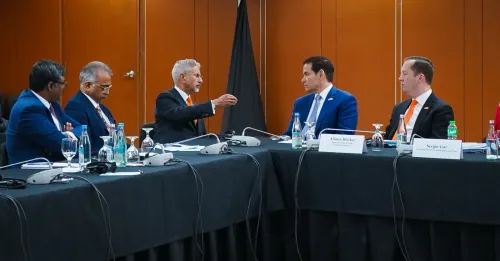
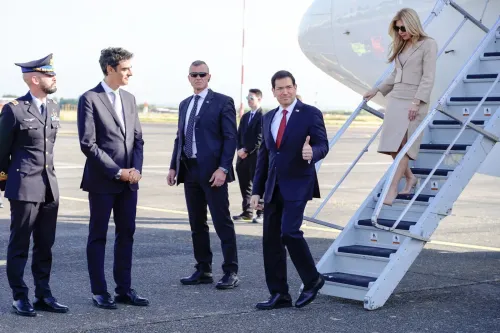
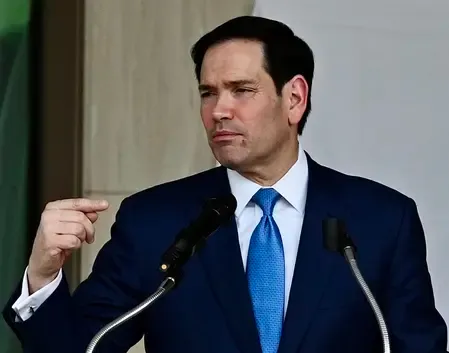
Secretary of State Marco Rubio on Monday declared that the United States is on the verge of finalising a trade deal with India, directly linking energy sanctions waivers and national security considerations to the pace of the bilateral trade negotiations. His remarks came hours before his scheduled arrival in New Delhi on Tuesday, 20 October 2026.
What Rubio Said
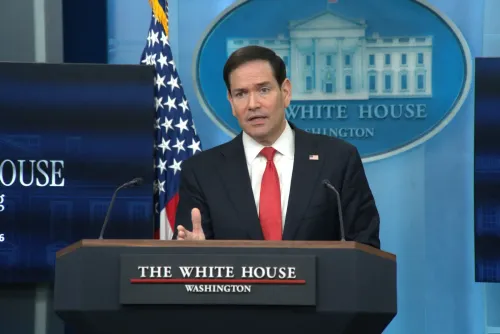
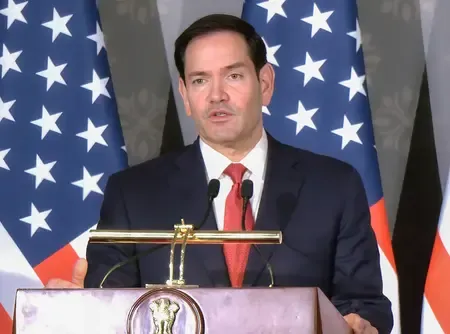
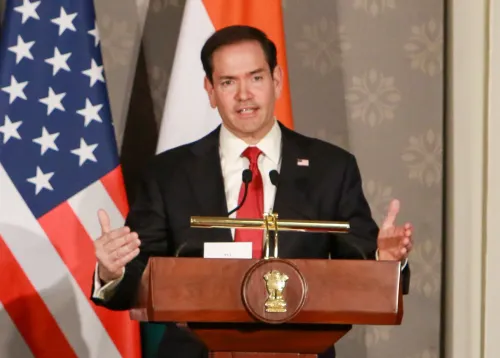
"We are trying to finalise a trade deal with India right now. We are very close to doing that," Rubio said during his Central Asia visit. He added that decisions on national security waivers — including those covering Russian oil purchases — are weighed alongside trade progress with partner countries.
"We have had to waive sanctions over the past few months because of the impact on global supplies and prices... We have to manage all of these things... Every country has a complex set of factors that it has to take into account. Geography is real. For some countries, it is very difficult to acquire energy from alternative sources. That's not an excuse, but all of that has to be balanced when making foreign policy," Rubio said.
The Trade Framework at a Glance
Under a framework announced in February 2026, the US reduced its reciprocal tariff on Indian goods from 25 per cent to 18 per cent and removed an additional 25 per cent duty linked to India's purchases of Russian oil. In return, India committed to eliminate or reduce tariffs on US industrial goods and farm products — including tree nuts, fruit, soybean oil, wine, and spirits.
At its core, the deal is an exchange: lower and predictable US tariffs on Indian goods for wider American market access inside India. Dairy access is reportedly the single biggest unresolved obstacle as of this week.
Where Negotiations Stand
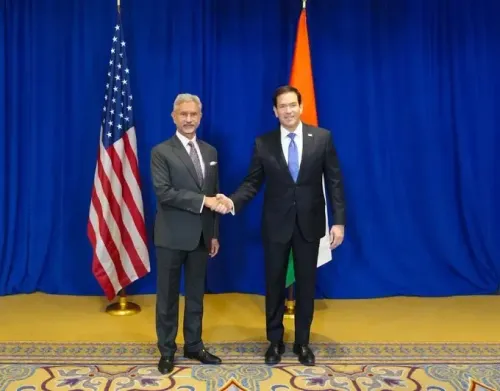
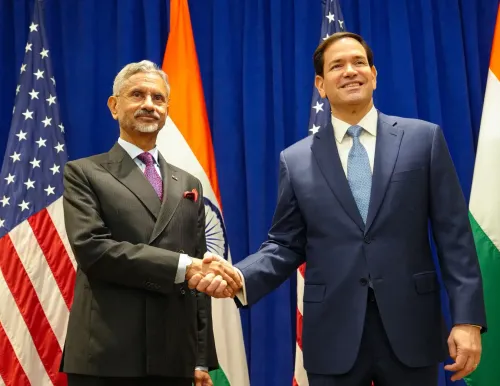
Commerce and Industry Minister Piyush Goyal had indicated that the first tranche had been finalised and was in legal drafting, but noted that implementation would depend on clarity over India's competitive advantage. External Affairs Minister S. Jaishankar had similarly said talks are nearing a "landing point."
However, as recently as 2 October 2026, US Trade Representative Jamieson Greer said a deal was not imminent — a signal that while both sides are close, the final stretch remains contested.
Sanctions, Russian Oil, and the Linkage
Rubio's remarks drew an explicit line between India's energy import choices and Washington's trade calculus. President Donald Trump has signed an order implementing the Lindsey O. Graham Sanctioning Russia and Iran Act, while simultaneously waiving its tariffs on buyers of Russian oil — a balancing act that underscores the complexity of decoupling energy and trade policy.
Notably, the removal of the 25 per cent Russian oil surcharge from Indian goods was itself framed as a goodwill gesture tied to trade progress, making the linkage Rubio articulated not new in substance but newly explicit in public.
India's Export Momentum
The diplomatic push comes as India's merchandise exports surged 23 per cent to $44.4 billion in September 2026, with the trade deficit also narrowing — data that strengthens New Delhi's negotiating position and signals the macro stakes of a deal for both sides.
With Rubio landing in New Delhi on Tuesday, the next 48 hours are expected to provide the clearest signal yet on whether the first tranche of the US-India trade agreement will clear the final legal and political hurdles.
Frequently Asked Questions
What did Marco Rubio say about the US-India trade deal?
Rubio said on Monday that the US is 'very close' to finalising a trade deal with India, describing it as an active priority. He also linked national security sanction waivers — including those covering Russian oil purchases — to broader trade considerations with partner countries.
What does the US-India trade deal involve?
The deal is structured as an exchange: lower, more predictable US tariffs on Indian goods in return for wider American market access in India. Under a February 2026 framework, US tariffs on Indian goods were cut from 25% to 18%, with a further 25% Russian oil surcharge removed. India agreed to reduce tariffs on US industrial and agricultural goods including tree nuts, soybean oil, wine, and spirits.
What is blocking the US-India trade deal from being finalised?
Dairy access is reportedly the largest single outstanding obstacle. Commerce Minister Piyush Goyal has said the first tranche is in legal drafting but implementation depends on clarity about India's competitive advantage, suggesting domestic political sensitivities are also in play.
Why did US Trade Representative Greer say a deal was 'not imminent' on 2 October?
Greer's remarks on 2 October 2026 reflected the trade technocrat's caution about unresolved market access gaps, particularly in sensitive agricultural sectors. His statement contrasts with Rubio's more optimistic framing, illustrating a split between diplomatic-level momentum and negotiating-level precision.
How do India's rising exports affect the trade talks?
India's merchandise exports rose 23 per cent to $44.4 billion in September 2026, with the trade deficit also narrowing. Strong export performance gives New Delhi greater economic leverage at the negotiating table and raises the stakes for both sides in securing a stable, long-term tariff framework.