Maharashtra forms 10-member panel to regularise pre-2011 encroachments in Mumbai, Pune

Synopsis
Months after excluding Mumbai and Pune from its March 2026 encroachment regularisation order, the Maharashtra government has now set up a 10-member committee to fix exactly that gap — covering pre-2011 encroachments on both state and central government land in the state's three biggest urban belts. The panel has three months to deliver a legally sound policy framework.
Key Takeaways
The Maharashtra government constituted a 10-member special committee on 24 September 2026 to draft a regularisation policy for pre-2011 residential encroachments in Mumbai, Pune, and Pimpri-Chinchwad .
The panel is chaired by the Divisional Commissioner of Konkan Division and includes district collectors, SRA, BMC, PMC, and PCMC representatives.
A Revenue Department policy dated 25 March 2026 had already allowed regularisation on state land before 1 January 2011 , but had excluded BMC, PMC, and PCMC areas.
The new committee will also address encroachments on Central Government and PSU land — a gap the March 2026 order did not cover.
The committee must submit its final report within three months .
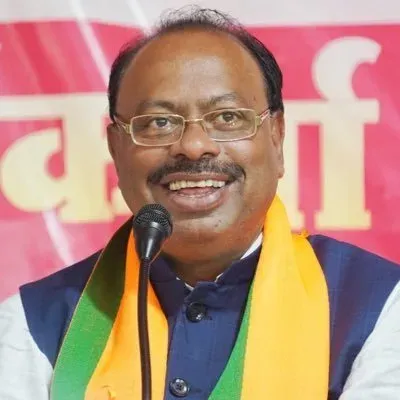
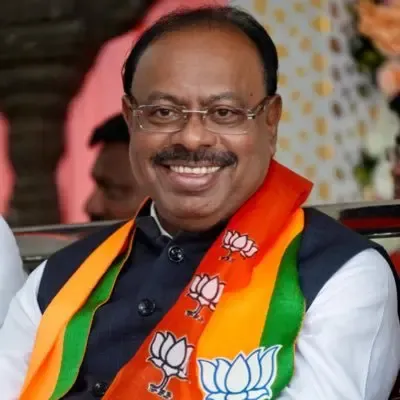
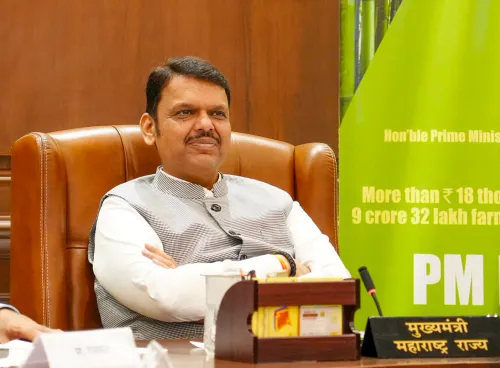
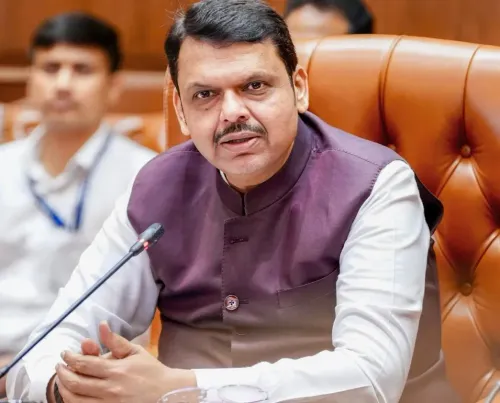
The Maharashtra government on Thursday, 24 September 2026, constituted a high-level 10-member special committee to formulate a comprehensive policy for regularising residential encroachments on government land in Mumbai, Pune, and Pimpri-Chinchwad. The move follows directives from Chief Minister Devendra Fadnavis and Revenue Minister Chandrashekhar Bawankule, and is formalised through an official Government Resolution (GR).
Committee Composition and Structure
The panel is chaired by the Divisional Commissioner of Konkan Division and draws together senior administrative and urban planning officials from across the affected regions. Members include the District Collectors of Mumbai City, Mumbai Suburban, and Pune; representatives from the Slum Rehabilitation Authority (SRA) for both Mumbai and Pune; representatives from the Brihanmumbai Municipal Corporation (BMC), the Pune Municipal Corporation (PMC), and the Pimpri-Chinchwad Municipal Corporation (PCMC); and Superintendents of Land Records (SLR) for Mumbai, Mumbai Suburban, and Pune. The Joint Commissioner (General Administration) from the Office of the Divisional Commissioner, Konkan Division, will serve as member secretary.
Terms of Reference and Mandate
The committee has been tasked with delivering a legally sound, operationally actionable regularisation roadmap within a strict three-month deadline. It will review and benchmark existing guidelines from the SRA, the Maharashtra Housing and Area Development Authority (MHADA), and other regional planning bodies. Critically, the panel will also draft specific recommendations to resolve complex jurisdictional disputes over encroachments on land owned by the Central Government or its public sector undertakings (PSUs) — a dimension that previous frameworks had not adequately addressed.
Background: The March 2026 Policy and Its Gaps
The committee's formation is a direct consequence of a policy decision issued by the Revenue Department on 25 March 2026, which allowed regularisation of residential encroachments existing on state government land before 1 January 2011. However, that policy explicitly excluded the high-density municipal areas of BMC, PMC, and PCMC from its scope. Recognising the urgent housing pressures in these urban centres, the state government has now expanded its strategy to cover encroachments on both state and central government lands within these municipal limits, according to the GR.
Why This Matters for Urban Housing
Mumbai, Pune, and Pimpri-Chinchwad are among India's most densely populated urban agglomerations, with large numbers of households occupying government land without formal tenure. Regularisation, when executed with legal rigour, can unlock access to civic services, formal credit, and property rights for long-settled residents. Revenue Minister Bawankule noted that bringing together administrative leads and urban planning representatives from across the affected regions was essential to designing a policy that holds up to legal scrutiny. This is not the first attempt at such regularisation — similar drives have faced court challenges in the past, underscoring the importance of the committee's mandate to produce a legally sound framework.
Next Steps
The committee is expected to complete all consultations, land assessments, and stakeholder reviews before submitting its final report to the Revenue Department within three months. The report will inform a formal policy that could determine the housing status of thousands of households in Maharashtra's three largest urban centres.
Point of View
Not intent. The March 2026 order's exclusion of Mumbai and Pune — the state's most encroachment-dense cities — was always an anomaly that left the policy incomplete. Including Central Government and PSU land in the new committee's mandate adds genuine complexity: jurisdictional disputes with the Centre have historically stalled such drives in court. The three-month deadline is ambitious given the scale of stakeholder consultations required. How the committee navigates the tension between providing tenure security to long-settled residents and preventing fresh encroachments will determine whether this becomes durable policy or another contested GR.
NationPress
24 Sept 2026
Frequently Asked Questions
What is the Maharashtra encroachment regularisation committee formed in September 2026?
It is a 10-member high-level panel constituted on 24 September 2026 to draft a policy for regularising residential encroachments on government land that existed before 1 January 2011 in Mumbai, Pune, and Pimpri-Chinchwad. The committee is chaired by the Divisional Commissioner of Konkan Division and must submit its report within three months.
Why were Mumbai and Pune excluded from the March 2026 encroachment policy?
The Revenue Department's policy of 25 March 2026 restricted its scope to state government land and specifically excluded the high-density BMC, PMC, and PCMC municipal areas, reportedly due to the complexity of urban land ownership in those regions. The newly formed committee is tasked with filling that gap.
Which encroachments are covered under the proposed regularisation policy?
The policy targets residential encroachments that were in existence before 1 January 2011 on both state government land and Central Government or PSU-owned land within the municipal limits of Mumbai, Pune, and Pimpri-Chinchwad.
Who directed the formation of this committee?
Chief Minister Devendra Fadnavis and Revenue Minister Chandrashekhar Bawankule directed the formation of the committee, which was subsequently formalised through a Government Resolution (GR).
What happens after the committee submits its report?
The committee's final report, due within three months, will be submitted to the Revenue Department. Its recommendations are expected to form the basis of a formal regularisation policy governing thousands of households in Maharashtra's three largest urban centres.