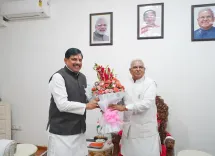
Maharashtra CM Fadnavis Clears ₹4,000 Cr for Jan Arogya Scheme
Synopsis
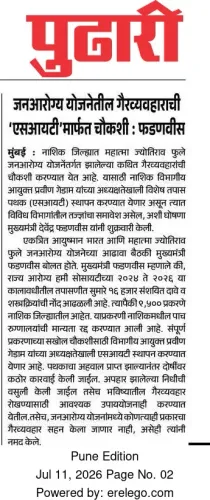
The Chief Minister's Office of Maharashtra announced a ₹4,000 crore allocation for the Jan Arogya Scheme on 24 October 2026. The flagship health insurance programme, tracing its roots to 2012, provides cashless tertiary care to low-income families across the state under CM Devendra Fadnavis.
Key Takeaways
The Chief Minister's Office of Maharashtra announced ₹4,000 crore for the Jan Arogya Scheme on 24 October 2026 .
The scheme provides cashless tertiary treatment coverage to eligible low-income and below-poverty-line families in Maharashtra .
The programme originated as the Rajiv Gandhi Jeevandayee Arogya Yojana in 2012 , later renamed Mahatma Jyotirao Phule Jan Arogya Yojana .
Chief Minister Devendra Fadnavis has led the Maharashtra government since 2023 .
Key beneficiaries are low-income families and empanelled hospitals across the state.
Revised beneficiary limits, additional hospital empanelments, and utilisation data are expected in forthcoming health department releases.
A four-thousand-crore rupee commitment to cashless healthcare for Maharashtra's low-income families — that is the headline emerging from the Chief Minister's Office of Maharashtra on Saturday, 24 October 2026, as the state government announced a major funding push for the Jan Arogya Scheme under Chief Minister Devendra Fadnavis.
What the ₹4,000 Crore Allocation Means for Patients
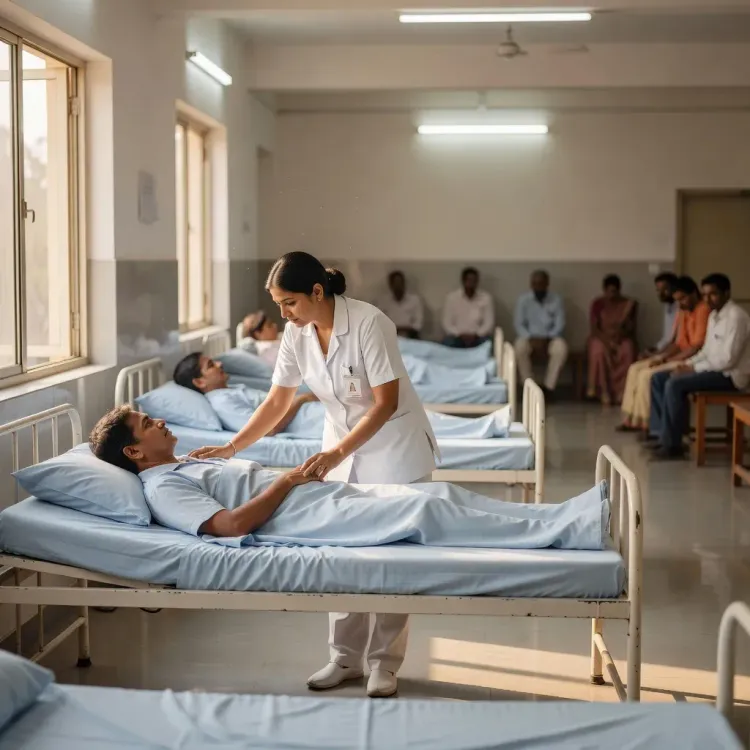
The Jan Arogya Scheme is Maharashtra's flagship health insurance programme designed to extend cashless tertiary treatment to eligible below-poverty-line and low-income households through empanelled hospitals across the state. An allocation of ₹4,000 crore represents a significant financial push to sustain and potentially expand that coverage — widening the net for families who would otherwise face catastrophic out-of-pocket costs for serious illness.
The scheme's lineage runs deep. It traces its roots to the Rajiv Gandhi Jeevandayee Arogya Yojana, launched in 2012, which was subsequently rechristened the Mahatma Jyotirao Phule Jan Arogya Yojana. Over successive state budgets, Maharashtra has periodically revised both the funding envelope and the list of empanelled hospitals to keep pace with rising medical costs and growing demand.
Fadnavis's Healthcare Bet in Maharashtra's Welfare Architecture
Chief Minister Devendra Fadnavis, who has headed the Maharashtra government since 2023, has positioned state-sponsored health insurance as a pillar of the administration's welfare agenda. A ₹4,000 crore infusion signals that his government intends to shore up the scheme's financial foundation rather than let coverage lapse amid rising hospitalisation costs.
For the two key stakeholders — eligible beneficiary families and empanelled hospitals — the implications are direct. Families gain assurance of continued cashless access to tertiary care. Hospitals, in turn, receive a clearer reimbursement pipeline, an incentive for more private facilities to seek empanelment and extend the scheme's geographic reach beyond urban centres.
What to Watch as the Funds Roll Out
The announcement sets the stage for downstream detail — revised beneficiary eligibility caps, additions to the empanelled hospital network, and utilisation reporting that will test whether the allocation translates to measurable gains in treatment access. The next state health department release or budget session will be the proving ground.
For Maharashtra's millions of low-income families, the promise of cashless care is only as good as the paperwork and hospital network behind it. The ₹4,000 crore is the opening line; the real story is in the rollout.
Point of View
000 crore commitment to the Jan Arogya Scheme reflects a broader national pattern of state governments doubling down on health insurance as a visible welfare dividend ahead of electoral cycles. For Fadnavis, reinforcing a scheme with a decade-long institutional identity is lower political risk than launching a fresh programme — it builds on existing beneficiary trust while signalling fiscal seriousness. The real test, however, is whether the allocation improves on-ground hospitalisation rates or merely refinances existing coverage without expanding reach. Maharashtra's ability to translate this funding into measurable health outcomes will define whether the Jan Arogya model becomes a template other states emulate.
NationPress
24 Oct 2026
Frequently Asked Questions
What is the Jan Arogya Scheme in Maharashtra?
The Jan Arogya Scheme is Maharashtra's state health insurance programme that provides cashless tertiary care treatment to eligible low-income and below-poverty-line families through a network of empanelled hospitals. It evolved from the Rajiv Gandhi Jeevandayee Arogya Yojana launched in 2012.
How much money has been allocated to the Jan Arogya Scheme in 2026?
The Maharashtra government announced an allocation of ₹4,000 crore for the Jan Arogya Scheme, as announced by the Chief Minister's Office on 24 October 2026.
Who is eligible for the Jan Arogya Scheme?
The scheme targets low-income and below-poverty-line households in Maharashtra, offering them cashless access to tertiary medical treatment at empanelled government and private hospitals.
What is the history of the Jan Arogya Scheme?
The scheme traces its origins to the Rajiv Gandhi Jeevandayee Arogya Yojana launched in 2012, which was later renamed Mahatma Jyotirao Phule Jan Arogya Yojana. Maharashtra has periodically revised its funding and hospital empanelment list over successive state budgets.
What will the ₹4,000 crore allocation change for beneficiaries?
The allocation is expected to sustain and potentially expand cashless treatment coverage for eligible families, enable empanelment of additional hospitals, and strengthen the reimbursement pipeline for medical providers. Specific revisions to beneficiary limits are expected in upcoming health department releases.