Maharashtra Government Requires Registration for E-Rickshaws and E-Bikes

Synopsis
Maharashtra's Transport Minister Pratap Sarnaik has announced that e-rickshaws and e-bikes must now register and obtain permits from the Motor Vehicles Department, marking a significant regulatory change in the EV sector aimed at enhancing safety and transparency.
Key Takeaways
Maharashtra mandates registration for e-rickshaws and e-bikes.
Focus on integrating the EV sector into regulations.
Single Window Scheme to simplify processes.
Enhanced safety and transparency for passengers.
Long-term development plans for public transport.
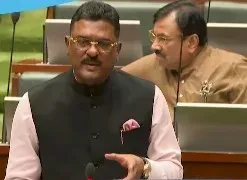
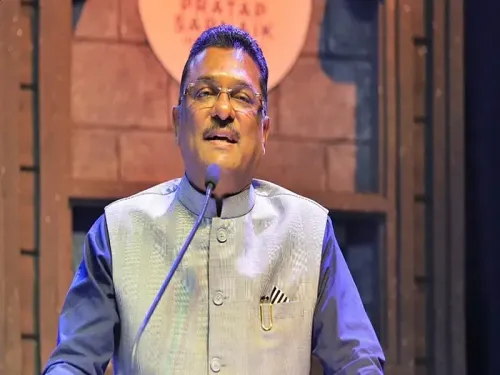
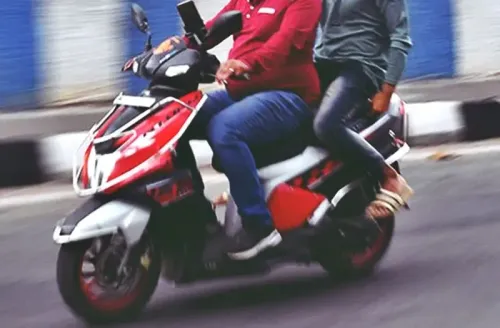
Mumbai, March 13 (NationPress) Maharashtra's Transport Minister, Pratap Sarnaik, declared on Friday that e-rickshaws and e-bikes utilized for public transport will now be mandated to secure formal registration and permits from the Motor Vehicles Department.
This policy shift means that electric rickshaws, which were previously exempt from the mandatory permit process that traditional commercial vehicles must follow, will now be subject to the same regulations.
The Minister noted that while the issuance of new permits for traditional rickshaws and taxis has been on hold for the past two days, the priority is now on incorporating the rapidly evolving electric vehicle (EV) sector into the established regulatory framework.
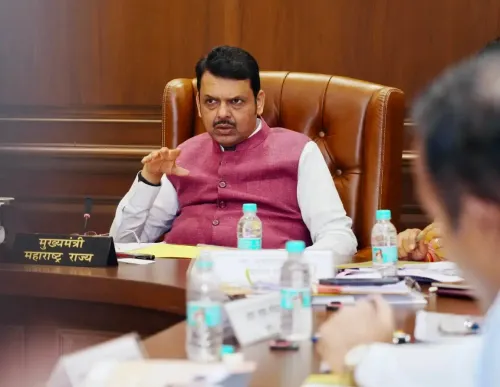
"To ensure consistent regulations across the passenger transport sector, as per Central Government standards, we have made the permit process compulsory for e-rickshaws and e-bikes," stated Minister Sarnaik.
This initiative is aimed at bringing traditional rickshaws, taxis, and electric vehicles under a unified set of rules, promoting transparency and curbing irregularities.
To facilitate vehicle owners during this transition, the Transport Department is set to introduce a "Single Window Scheme."
This initiative is intended to simplify the process of application submission, document verification, and approvals. By centralizing these operations, the department seeks to eradicate bureaucratic obstacles and prevent malpractice.
According to sources from the Transport Department, the rapid increase in e-vehicles over recent years has resulted in a regulatory void, with numerous e-rickshaws operating in a "gray area" regarding commercial licensing.
The government’s decision to mandate permits aims to enforce discipline, enhance passenger safety, and establish regulation. The goal is to ensure all drivers and vehicles are recorded in the state database, creating a controlled environment to monitor safety standards and integrate the expanding EV fleet into the formal economy.
Minister Sarnaik expressed optimism that these actions will foster a more organized public transport system, thereby ensuring safer and more reliable services for commuters.
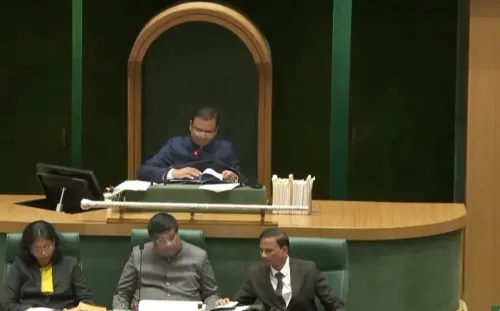
In a related announcement, Minister Pratap Sarnaik informed the legislative council that the government plans to construct modern ‘Busports’ across the state, inspired by the model in Gujarat. A new policy has been developed for the comprehensive enhancement of Maharashtra State Road Transport Corporation (MSRTC) depots and bus stations, in response to a discussion initiated by member Pravin Darekar.
The minister elaborated that the new policy emphasizes extended lease terms, improved passenger amenities, economic impact, and balanced development.
"To stimulate commercial growth, the lease agreements for ST bus station and depot projects will be set for 49 + 49 years (98 years). This aims to attract investors and secure long-term revenue for MSRTC, providing passengers with clean, safe, and modern facilities. These initiatives are expected to create substantial employment and business opportunities for local youth, with an approach that does not solely concentrate on urban areas. To ensure equitable development, tenders will be processed by grouping depots into 'packages' that consist of one urban depot, one taluka-level depot, and one rural depot," he added.
Point of View
It's clear that the Maharashtra government's new regulations for e-rickshaws and e-bikes reflect an urgent need to formalize the rapidly growing electric vehicle sector. By mandating registration and permits, the government seeks to enhance passenger safety and ensure compliance with national standards, marking a significant step towards a more organized public transport system.
NationPress
19 Sept 2026
Frequently Asked Questions
Why are e-rickshaws and e-bikes now required to register?
The Maharashtra government aims to formalize the electric vehicle sector and ensure safety, transparency, and compliance with regulations.
What is the 'Single Window Scheme'?
It is an initiative to streamline the application and approval process for vehicle registration, reducing bureaucratic hurdles.
What will happen to traditional rickshaw and taxi permits?
The issuance of new permits for traditional rickshaws and taxis has been temporarily suspended as the government focuses on integrating the EV sector.
How will these changes affect passenger safety?
By regulating e-rickshaws and e-bikes, the government seeks to enhance passenger safety and ensure that all vehicles are accounted for in a state database.
What are the long-term goals of this policy?
The policy aims to create a coordinated public transport system that prioritizes safety, transparency, and support for the growing electric vehicle fleet.