Maharashtra Cabinet revises textile policy, grants Palghar Zone-1 status and new courts
Synopsis
More than a decade after Palghar was carved out of Thane, Maharashtra's cabinet has finally delivered two landmark decisions for the tribal district in one sitting — Zone-1 textile incentives and its own judicial infrastructure. Combined with a wholesale overhaul of zonal classifications under the 2023–28 policy, the moves signal a deliberate push to close Maharashtra's industrial and access-to-justice gaps in its tribal belt.
Key Takeaways
The Maharashtra Cabinet on 17 November 2026 approved amendments to the Integrated and Sustainable Textile Policy 2023–28 , abolishing Zone-4 and reclassifying all districts upward.
Palghar , recognised as a tribal district, was elevated directly from Zone-4 to Zone-1 , qualifying it for the highest tier of textile incentives.
Installing machinery worth 10% or more of the previous year's book value now officially qualifies as 'expansion' under the revised policy.
Textile projects with bank loan sanctions or advance machinery payments made before 1 June 2023 may choose benefits under either the 2018–23 or 2023–28 policy.
The cabinet sanctioned a Principal District and Sessions Court , a CJM Court , and a District Public Prosecutor's Office for Palghar, with 79 new posts to be created.
Palghar was separated from Thane on 1 August 2014 and has lacked independent judicial infrastructure since then.
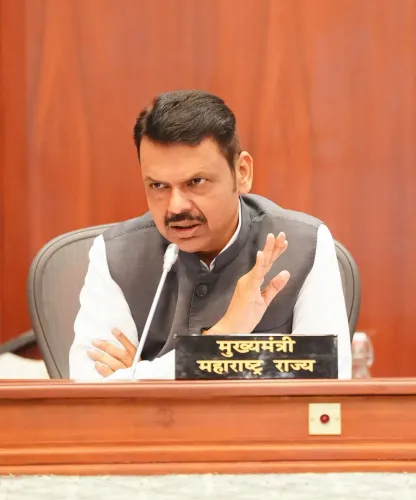
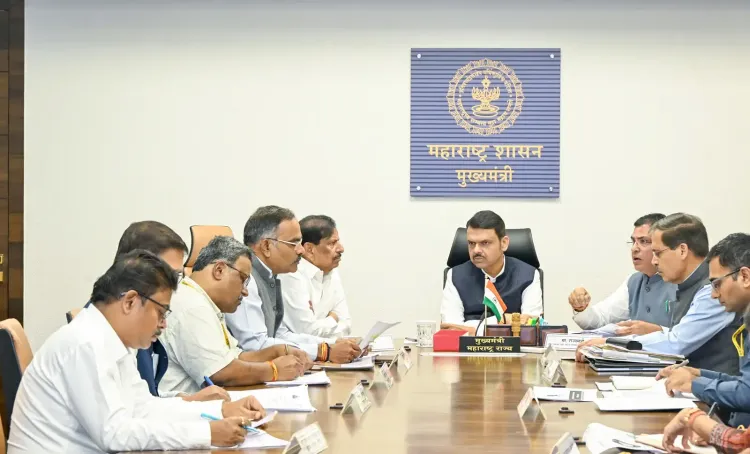
The Maharashtra Cabinet, chaired by Chief Minister Devendra Fadnavis, on Tuesday, 17 November 2026, approved significant amendments to the Integrated and Sustainable Textile Policy 2023–28, including elevating Palghar district to Zone-1 status and relaxing expansion norms for textile units. In a separate but equally consequential decision, the cabinet sanctioned the establishment of a Principal District and Sessions Court, a Chief Judicial Magistrate (CJM) Court, and a District Public Prosecutor's Office in Palghar — completing a long-pending judicial infrastructure gap for the district.
Textile Policy Amendments: What Changed
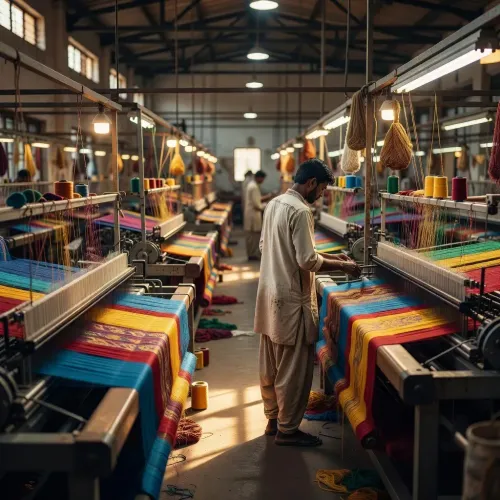
The cabinet undertook a comprehensive overhaul of the zonal classification under the 2023–28 textile policy, beginning with the abolition of Zone-4 entirely. Districts previously categorised under Zone-2 have been reclassified to Zone-1, Zone-3 districts moved to Zone-2, and former Zone-4 districts shifted to Zone-3.
Notably, Palghar — recognised as a tribal district — was elevated directly from Zone-4 to Zone-1, bypassing intermediate tiers. This follows sustained demands from textile industry associations after the rollout of the original policy and a prior assurance by Chief Minister Fadnavis that industry-friendly revisions would be introduced.
Relaxed Expansion Norms and Legacy Project Relief
Under the amended rules, installing additional machinery valued at 10% or more of the book value of machinery installed during the previous financial year will now officially qualify as 'expansion' — a threshold that is expected to ease compliance for mid-sized textile units seeking incentives.
The cabinet also extended relief to legacy projects: textile units that received bank loan sanctions before 1 June 2023, as well as self-financed units that made advance payments for machinery before that date but commenced production within the 2023–28 policy window, have been granted the option to claim benefits under either the 2018–23 textile policy or the 2023–28 textile policy. This provision addresses a gap that left transitional projects in a policy grey zone.
New Judicial Infrastructure for Palghar
Palghar district was carved out of Thane on 1 August 2014, comprising eight talukas: Palghar, Vasai, Dahanu, Talasari, Jawhar, Wada, Mokhada, and Vikramgad. Despite being a separate administrative district for over a decade, it has lacked independent judicial infrastructure — residents have had to rely on Thane's court system.
Following approval from the High Court's New Court Establishment Committee to bifurcate the Thane judicial district and constitute a separate Palghar judicial district, the state cabinet sanctioned the necessary judicial offices and staffing. A total of 79 new posts will be created, while 29 posts will be transferred from existing courts, and 39 positions filled through outsourcing. For the CJM Court, 16 new posts have been sanctioned alongside 3 outsourced positions. The District Public Prosecutor's Office will see 5 new posts and 1 outsourced position.
Why These Decisions Matter
The textile policy revision is significant for Maharashtra's industrial landscape, particularly in tribal and underdeveloped regions. Zone-1 classification typically carries the highest incentive slabs — including capital subsidies and stamp duty waivers — meaning Palghar's upgrade could attract fresh investment to an area that has historically been underserved by industrial policy. This comes amid broader state efforts to position Maharashtra as a leading textile hub under the Centre's PM MITRA scheme.
The establishment of dedicated courts in Palghar is equally consequential. With a population spread across eight talukas, residents have faced significant access-to-justice barriers since the district's creation in 2014. The new judicial setup is expected to reduce case pendency and travel burden for litigants across the district.
What Comes Next
Implementation timelines for the textile policy revisions and the creation of sanctioned posts are yet to be formally notified. The phased transfer of posts from Thane courts and the recruitment or outsourcing of new positions will determine how quickly the Palghar judicial district becomes fully operational.
Point of View
Underscoring how administrative bifurcations in Maharashtra routinely outpace judicial and institutional follow-through. The textile policy revision is substantive, but the real signal is the Zone-1 upgrade for a tribal district that has been perpetually underdeveloped: if the incentive architecture is now matched by land and infrastructure, this could meaningfully shift investment flows. The legacy project relief clause is a pragmatic fix but also an implicit acknowledgement that the original 2023–28 policy was poorly sequenced. Whether the state can operationalise the new judicial posts at speed — rather than leaving them on paper for years — will be the true measure of this cabinet's intent.
NationPress
17 Nov 2026
Frequently Asked Questions
What changes has Maharashtra made to the Integrated and Sustainable Textile Policy 2023–28?
The Maharashtra Cabinet has abolished Zone-4 and reclassified all districts upward — Zone-2 to Zone-1, Zone-3 to Zone-2, and Zone-4 to Zone-3. Palghar, as a tribal district, was moved directly to Zone-1. The cabinet also redefined 'expansion' as the installation of machinery worth 10% or more of the previous year's book value, and allowed legacy projects to choose benefits under either the 2018–23 or 2023–28 policy.
Why was Palghar elevated to Zone-1 in the textile policy?
Palghar was elevated directly from Zone-4 to Zone-1 in recognition of its status as a tribal district, which qualifies it for the highest tier of industrial incentives under the state's textile policy. The revision followed demands from textile associations and an assurance by Chief Minister Devendra Fadnavis that industry-friendly changes would be introduced.
What new courts have been approved for Palghar district?
The Maharashtra Cabinet has sanctioned a Principal District and Sessions Court, a Chief Judicial Magistrate (CJM) Court, and a District Public Prosecutor's Office in Palghar. A total of 79 new posts will be created, 29 transferred from existing courts, and 39 filled through outsourcing.
Why did Palghar not have its own courts until now?
Palghar was separated from Thane on 1 August 2014 but judicial infrastructure was not established alongside the administrative bifurcation. The High Court's New Court Establishment Committee has now approved bifurcating the Thane judicial district, paving the way for a separate Palghar judicial district.
Who is eligible for the legacy project relief under the revised textile policy?
Textile projects that received bank loan sanctions before 1 June 2023, and self-financed units that made advance payments for machinery before that date but began production during the 2023–28 policy period, are eligible. These units may now opt for benefits under either the 2018–23 or the 2023–28 textile policy, whichever is more advantageous.