Mahua Moitra Rejects Separate MP Group Proposal in Parliament
Synopsis
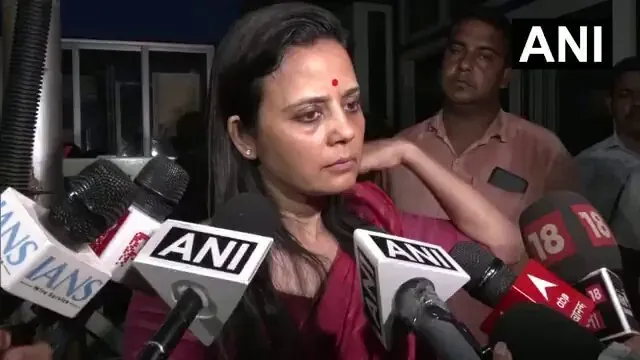
TMC MP Mahua Moitra on 20 June 2026 pushed back sharply against a proposal for a separate grouping of MPs inside Parliament, invoking the Rules of Procedure and Conduct of Business in Lok Sabha to argue no such arrangement is legally permissible, comparing the idea to veg/non-veg seating at a wedding banquet.
Key Takeaways
TMC MP Mahua Moitra on 20 June 2026 publicly rejected a proposal for a separate grouping of MPs inside Parliament.
She cited the Rules of Procedure and Conduct of Business in Lok Sabha (1952) as the legal basis for her objection.
Moitra compared the proposed arrangement to veg/non-veg seating at a wedding banquet, calling it alien to parliamentary practice.
The Official Languages Act, 1963 permits Hindi and English in Parliament but does not authorise language-based separate seating or groupings.
The controversy echoes longstanding tensions between Hindi-speaking and non-Hindi-speaking MPs that have periodically flared since the 1965 anti-Hindi protests .
Any formal proposal on MP groupings would require Business Advisory Committee approval and is likely to face broad opposition from regional parties.
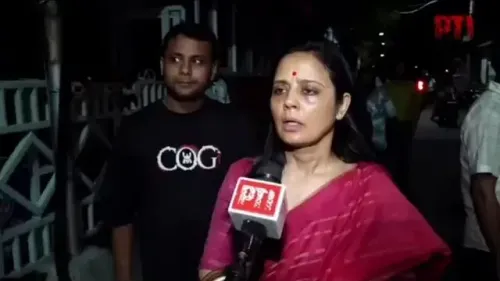
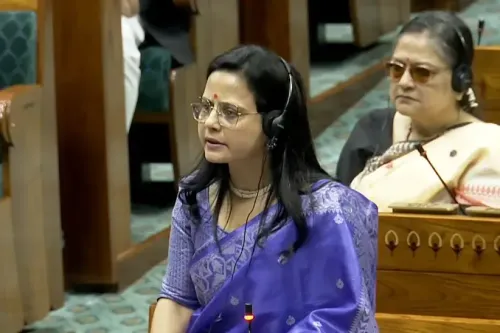
TMC MP Mahua Moitra on Saturday, 20 June 2026 sharply rejected a proposal for a separate grouping of Members of Parliament inside Parliament of India, calling it procedurally impermissible and drawing a pointed analogy to wedding-banquet seating arrangements.
Context
Moitra, responding to what appears to be a Hindi-language proposal or statement, wrote: 'What separate group? Law doesn't allow for any separate [grouping] of MPs. Parliament is not some wedding banquet with veg/non-veg seating.' The remark was posted on 20 June 2026 from her verified account and includes a video, suggesting it may be a response to a visual or spoken claim circulating online.
The Krishnanagar MP did not name the originator of the proposal, and the exact Hindi statement prompting her reply has not been independently verified. Her post, however, makes clear she views any such grouping as having no legal basis.
Policy Backdrop
The Rules of Procedure and Conduct of Business in Lok Sabha (1952) govern how MPs are organised within the lower house. These rules recognise parties and groups only through formal registration and do not permit ad hoc separate formations based on language, diet, region, or any other informal criterion.
The Official Languages Act, 1963 and relevant constitutional provisions allow the use of both Hindi and English in parliamentary proceedings, but neither statute authorises language-based separate seating or parallel institutional arrangements for MPs. Moitra's argument draws directly on this procedural framework.
Stakeholders and Impact
The debate touches a fault line that has recurred in Indian parliamentary history: the rights and procedural equity of non-Hindi-speaking MPs versus the administrative convenience of a Hindi-dominant majority. Since the 1965 anti-Hindi protests and subsequent amendments to the Official Language Rules, opposition MPs from southern and eastern states have periodically flagged concerns over speaking-time allocation and perceived procedural bias.
If any such proposal were to gain traction — whether through a Business Advisory Committee recommendation or a Speaker's directive — it could set a precedent affecting the floor management and visibility of MPs from linguistic minorities within the House.
What's Next
Attention will now focus on whether the proposal Moitra was responding to surfaces formally — through a notice to the Business Advisory Committee, a communication from the Speaker's office, or a party-level demand ahead of the Monsoon Session. Any move to amend Lok Sabha rules on MP groupings would require broad cross-party consensus and is likely to face stiff opposition from regional parties. Moitra's intervention signals that TMC and potentially other opposition benches will resist such changes vigorously.
Point of View
Which makes it harder to dismiss. The 'wedding banquet' analogy is designed to ridicule the proposal into public disrepute before it can gain institutional traction. This fits a broader pattern of opposition MPs from non-Hindi states using parliamentary rule-books as a shield against what they frame as majoritarian procedural creep. Whether the proposal she is responding to is a formal notice or an informal demand will determine how far this controversy travels.
NationPress
21 Jun 2026
Frequently Asked Questions
What did Mahua Moitra say about a separate group for MPs in Parliament?
Moitra said the law does not allow any separate grouping of MPs and compared the idea to veg/non-veg seating at a wedding banquet, calling it procedurally impermissible under Lok Sabha rules.
Do Lok Sabha rules allow MPs to be divided into separate groups?
No. The Rules of Procedure and Conduct of Business in Lok Sabha (1952) recognise only formally registered parties and groups and do not permit informal separate formations based on language, region, or other criteria.
Why is the idea of separate MP groupings controversial in India?
India's Parliament has MPs from diverse linguistic backgrounds. Any grouping based on language or region risks creating procedural inequity and has historically been resisted by non-Hindi-speaking MPs since the 1965 anti-Hindi protests.
Who is Mahua Moitra and why does she comment on parliamentary rules?
Mahua Moitra is the Trinamool Congress Lok Sabha MP from Krishnanagar, West Bengal. She is known for closely tracking parliamentary procedure and has frequently raised procedural objections on the floor of the House.
What happens next after Moitra's statement on MP groupings?
Observers will watch for any formal proposal to the Business Advisory Committee or the Speaker's office ahead of the Monsoon Session. Opposition parties, including TMC, are expected to resist any rule change that creates separate MP groupings.