Man climbs 33 kV pole in Sehore, MP, amid domestic dispute
Synopsis
A tribal man scaled a live 33 kV electricity pole in Sehore, Madhya Pradesh, to press domestic demands — the latest in a string of dangerous high-structure protests across India. A similar incident in Jharkhand's Giridih saw a man carry his four-year-old child up a 150-foot water tank before police talked both down after three hours.
Key Takeaways
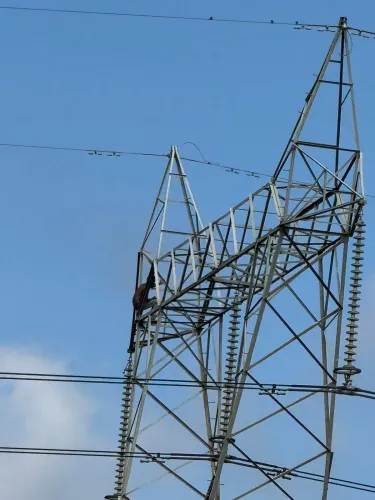
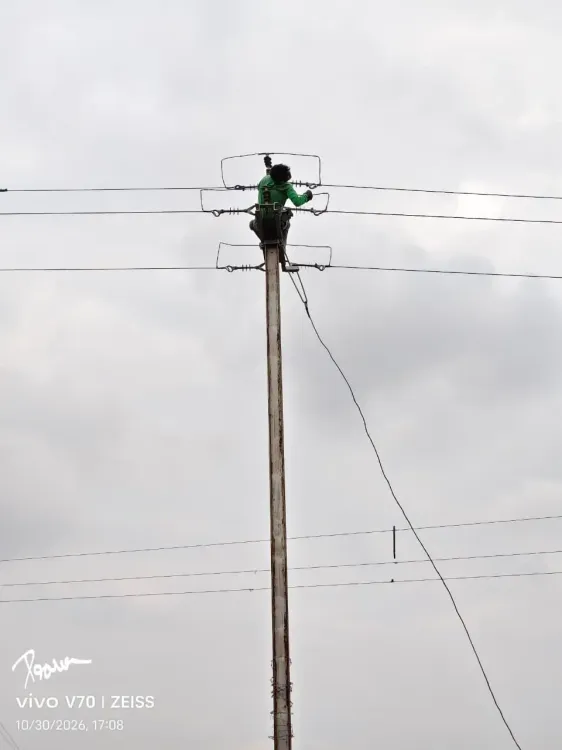
A man from a tribal community climbed a 33 kV electricity pole in Jamoniya Hatesingh village , Sehore district , Madhya Pradesh on 31 October .
The man reportedly scaled the pole to press demands related to a domestic dispute ; electricity department officials attempted repeatedly to bring him down safely.
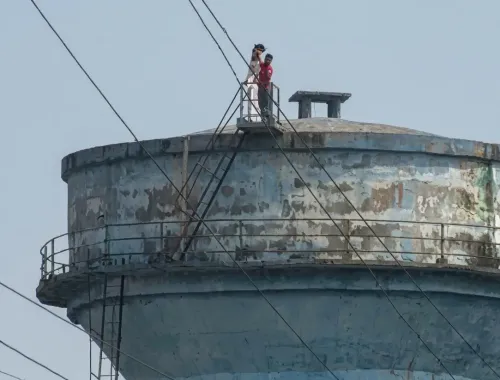
In a separate earlier incident in October , Mahadev Tiwari climbed a 150-foot water tank in Giridih, Jharkhand with his four-year-old child over a family land dispute.
Circle Officer Jitendra Prasad personally intervened in the Giridih case; after nearly three hours , both Tiwari and the child were brought down safely.
Authorities have flagged such incidents as posing serious risks to the individuals involved, emergency personnel, and bystanders.
A man from a tribal community in Madhya Pradesh's Sehore district climbed a live 33 kV electricity pole on 31 October following a domestic dispute, triggering panic among residents and prompting a swift response from electricity department officials. The incident occurred at Jamoniya Hatesingh village under Ichhawar tehsil in Sehore.
How the Incident Unfolded
According to reports, the man scaled the high-voltage pole in an apparent bid to press for the acceptance of demands linked to his domestic dispute. His refusal to descend despite repeated appeals drew a large crowd of villagers to the spot. Electricity department personnel made multiple attempts to coax him down safely, but the man reportedly remained adamant for an extended period.
Safety Risks Highlighted
Officials noted that such incidents pose a grave danger not only to the individual involved but also to electricity department workers and bystanders in the vicinity. A live 33 kV line carries sufficient voltage to be instantly fatal on contact, making the standoff particularly hazardous. Authorities were forced to manage crowd control simultaneously while attempting to resolve the situation.
A Pattern of Protest Atop Structures
This is not an isolated occurrence. Earlier in October, a man identified as Mahadev Tiwari climbed a nearly 150-foot-high water tank in Ajidih under the Muffasil police station area of Giridih, Jharkhand, carrying his four-year-old child, amid a family land dispute. Locals spotted Tiwari and the child atop the tank at around 10 am and began gathering below, alarmed by the child's presence at such height.
Initial attempts by residents to persuade Tiwari to descend failed. Circle Officer Jitendra Prasad subsequently reached the site and spoke to the man by phone, urging him to come down and assuring him that authorities would facilitate discussions on his land dispute once he and the child were safe. After nearly three hours of sustained persuasion by police and district administration, both Tiwari and the child were brought down safely, relieving the anxious crowd.
Broader Concern for Authorities
The recurrence of such incidents — individuals scaling dangerous structures to air grievances — has become a growing concern for law enforcement and civic bodies across India. Critics argue that it reflects the desperation felt by those who believe conventional grievance redressal mechanisms are inaccessible or ineffective. Authorities in both Madhya Pradesh and Jharkhand have not yet indicated whether any formal charges were filed in either case.
Point of View
Water tanks, and other high structures to air grievances are becoming a worrying pattern across India, suggesting that formal dispute-resolution channels are either unknown to or distrusted by a section of the population. The Sehore and Giridih cases share a common thread: domestic or land disputes that escalated because the aggrieved party saw no viable institutional recourse. Authorities respond with persuasion each time, but there is little evidence of systemic follow-through — whether the underlying disputes were actually resolved, or whether any support was offered to the individuals afterward, remains unreported. Until grievance mechanisms at the panchayat and tehsil level are made genuinely accessible, particularly for tribal and rural communities, these dangerous standoffs are unlikely to stop.
NationPress
31 Oct 2026
Frequently Asked Questions
What happened in Sehore, Madhya Pradesh on 31 October?
A man from a tribal community climbed a live 33 kV electricity pole in Jamoniya Hatesingh village, Sehore district, following a domestic dispute. He reportedly refused to come down despite repeated appeals from electricity department officials, causing panic among villagers.
Was the man in Sehore brought down safely?
The source indicates that electricity department personnel made repeated efforts to bring him down safely, but does not confirm the final outcome of the standoff. The situation was described as ongoing at the time of reporting.
What was the similar incident in Jharkhand?
Earlier in October, Mahadev Tiwari climbed a nearly 150-foot-high water tank in Ajidih, Giridih district, Jharkhand, carrying his four-year-old child, amid a family land dispute. After nearly three hours of persuasion by police and district administration, both were brought down safely.
Who resolved the Giridih water tank standoff?
Circle Officer Jitendra Prasad reached the site and spoke to Mahadev Tiwari by phone, assuring him that authorities would facilitate discussions on his land dispute once he descended safely with the child. The administration's intervention led to a peaceful resolution after roughly three hours.
Why are such high-structure protests a concern for authorities?
Scaling live electricity poles or tall structures poses an immediate risk of electrocution or falls, endangering the individual, emergency responders, and bystanders. Critics argue these incidents reflect a lack of accessible grievance redressal for rural and tribal communities, making dangerous protests a last resort.