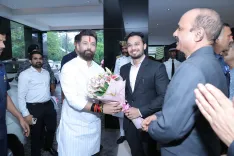
Mandaviya Chants 'Har Har Mahadev' on Indonesian Soil
Synopsis
Union Minister Mansukh Mandaviya invoked the Shaivite chant 'Har Har Mahadev' from Indonesian soil on 8 July 2026, spotlighting the deep Hindu civilisational heritage shared by India and Indonesia and reinforcing New Delhi's Act East public diplomacy.
Key Takeaways
Union Minister Mansukh Mandaviya posted a video from Indonesia on 8 July 2026 with the chant 'Har Har Mahadev' .
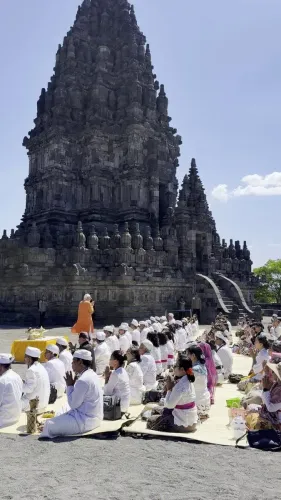
Indonesia has a rich pre-Islamic Hindu-Buddhist history; Bali remains a Hindu-majority island.
The gesture aligns with India's Act East Policy , pursued since 2014 , which uses cultural diplomacy alongside strategic and economic engagement.
Mandaviya holds the Labour & Employment and Youth Affairs & Sports portfolios, making sports and youth exchanges a likely focus of his visit.
Follow-up announcements on India-Indonesia sports or youth cooperation programmes are expected.
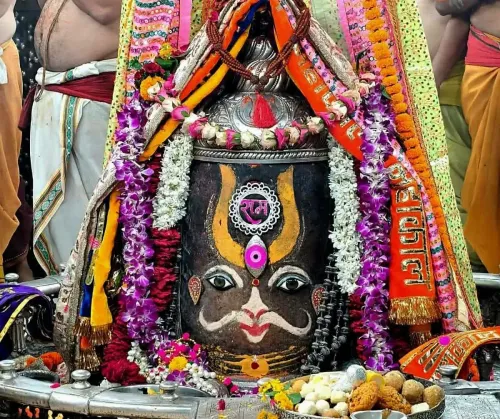
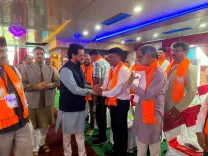
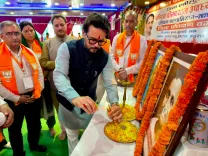
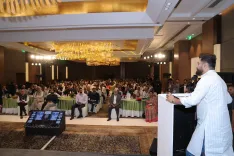
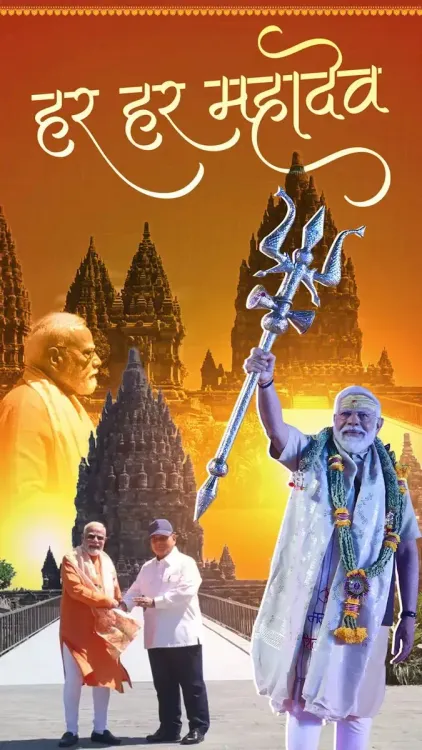
Union Labour and Sports Minister Mansukh Mandaviya invoked the Hindu devotional chant 'Har Har Mahadev' ('Glory to Lord Shiva') from Indonesian soil on Wednesday, 8 July 2026, sharing a video on X that underscored the deep civilisational bonds between India and Indonesia.
Context
Mandaviya's post — 'Indonesia ki dharti par Har Har Mahadev!' ('Har Har Mahadev on the soil of Indonesia!') — accompanied a video from his visit to the Southeast Asian nation. The exclamatory framing was a deliberate nod to the shared Shaivite Hindu heritage that predates Indonesia's conversion to Islam and survives most visibly in Bali, where Hinduism remains the majority religion.
The chant carries particular resonance in Indonesia, whose pre-Islamic kingdoms — including the Majapahit and Srivijaya empires — were deeply influenced by Indian Hindu-Buddhist traditions. Temples, classical dance forms, and Sanskrit-derived place names remain living markers of that shared inheritance across the archipelago.
Policy Backdrop
India's Act East Policy, pursued since 2014, has made Indonesia a priority partner for strategic, economic, and cultural engagement within the ASEAN bloc. Cultural and civilisational diplomacy has emerged as a distinct track alongside defence and trade, with shared religious heritage serving as a soft-power bridge between the two democracies.
Sports and youth exchanges have formed a visible component of this bilateral relationship. As the minister responsible for both Labour & Employment and Youth Affairs & Sports, Mandaviya's presence in Indonesia signals continued momentum on people-to-people and institutional cooperation between the two countries.
Stakeholders and Impact
The imagery resonates strongly with India's diaspora in Southeast Asia and with Hindu communities in Bali and across Indonesia, for whom such recognition from a senior Indian minister carries symbolic weight. Sports athletes and youth programme participants on both sides stand to benefit from any institutional outcomes the visit may produce.
For India, deploying a cabinet minister who publicly invokes shared religious heritage on foreign soil is consistent with a broader public diplomacy approach that frames bilateral ties through civilisational continuity rather than purely transactional terms.
What's Next
Observers will watch for follow-up announcements on India-Indonesia sports cooperation frameworks or youth exchange programmes emerging from Mandaviya's visit. Any joint statements or memoranda of understanding signed during the trip would be the concrete policy deliverables to track.
The visit adds to a pattern of high-level Indian engagement with ASEAN capitals in 2026, and signals that cultural and civilisational diplomacy will remain a central instrument of New Delhi's outreach to the region.
Point of View
Which consistently foregrounds India's Hindu cultural legacy as a bridge to countries with historical Indic influence. The choice of a sports and youth minister for this visit also signals that people-to-people engagement — not just high-level summitry — is being institutionalised as a pillar of the Act East Policy. Whether the symbolism translates into concrete cooperation frameworks will be the real measure of this outreach.
NationPress
8 Jul 2026
Frequently Asked Questions
Why did Mansukh Mandaviya say 'Har Har Mahadev' in Indonesia?
Mandaviya invoked the Shaivite chant to highlight the shared Hindu civilisational heritage between India and Indonesia, whose pre-Islamic history includes major Hindu kingdoms and whose island of Bali remains Hindu-majority.
What is Mansukh Mandaviya's role in the Indian government?
Mansukh Mandaviya is India's Union Minister of Labour & Employment and Youth Affairs & Sports, and is a senior leader of the Bharatiya Janata Party (BJP).
What is India's Act East Policy and how does it relate to Indonesia?
India's Act East Policy, launched in 2014, deepens strategic, economic, and cultural ties with ASEAN nations including Indonesia, with cultural and civilisational diplomacy forming a key track alongside defence and trade.
What Hindu heritage does Indonesia have?
Indonesia's pre-Islamic empires — including the Majapahit and Srivijaya — were deeply influenced by Hindu-Buddhist traditions from India. Today, Bali is a Hindu-majority island, and Sanskrit-derived names and temple traditions survive across the archipelago.
What outcomes are expected from Mandaviya's Indonesia visit?
Analysts are watching for announcements on India-Indonesia sports cooperation frameworks or youth exchange programmes, which fall under Mandaviya's ministerial portfolio.