Mandaviya Issues World Bicycle Day Appeal to India's Youth
Synopsis
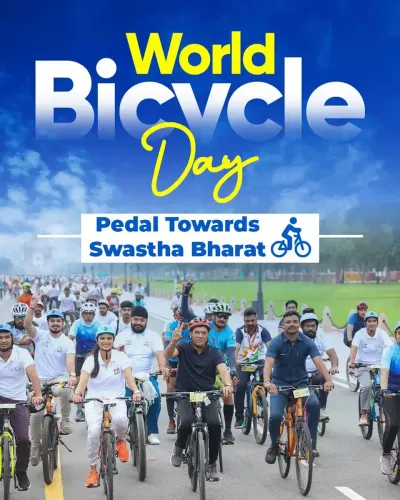
Union Labour and Sports Minister Mansukh Mandaviya marked World Bicycle Day on 3 June 2026 with a video appeal to India's youth, urging them to embrace cycling. The message, posted on X, ties into the Fit India Movement and the UN's 2018 observance promoting cycling for health, sustainability and accessibility.
Key Takeaways
Union Labour and Sports Minister Mansukh Mandaviya posted a video appeal on 3 June 2026 for World Bicycle Day .
The message was directed at India's youth , urging adoption of cycling as a fitness and lifestyle habit.
World Bicycle Day was established by the UN General Assembly in 2018 and is observed annually on 3 June .
The appeal aligns with the Fit India Movement , launched in August 2019 to promote everyday physical activity.
Follow-up could include integration with Khelo India programmes or state-level cycling infrastructure announcements.
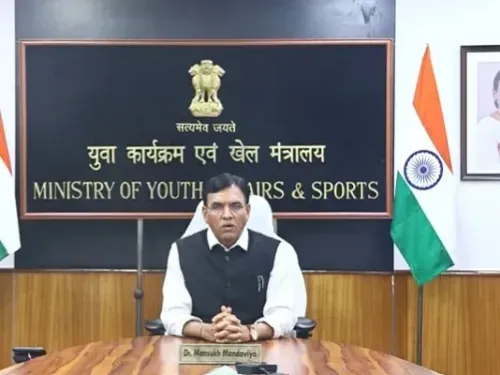
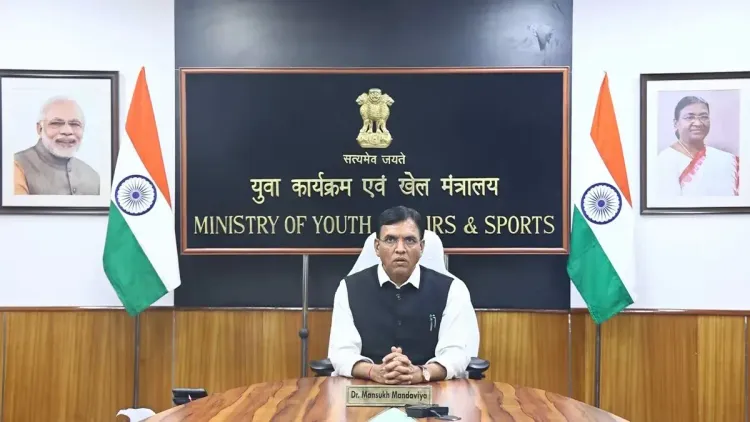
Union Labour and Sports Minister Mansukh Mandaviya on Wednesday, 3 June 2026, marked World Bicycle Day with a video message on X containing what he described as a 'special appeal' to young Indians. The post, published in the morning hours from New Delhi, framed cycling as both a fitness habit and a lifestyle choice for the country's youth.
In his bilingual message, the minister wrote: '#WorldBicycleDay par meri yuva saathiyon se vishesh apeel' (a special appeal to my young friends on World Bicycle Day). The accompanying video, which ran without an attached image, anchored the outreach to the United Nations-designated observance.
Context
World Bicycle Day is observed every year on 3 June, following a resolution adopted by the United Nations General Assembly in 2018. The day recognises the bicycle as a simple, affordable and sustainable means of transport that promotes physical activity and reduces environmental impact.
Mandaviya, who holds the combined portfolios of Labour & Employment and Youth Affairs & Sports, has frequently used the sports ministry's social-media handles to push fitness messaging on globally designated health and wellness days. The appeal continues that pattern, placing the cycle at the centre of a youth-focused public-health pitch.
Policy backdrop
The minister's appeal sits within the broader arc of the Fit India Movement, launched in August 2019 to encourage everyday physical activity across age groups. Cycling has been one of the activities highlighted under the programme, alongside walking, yoga and traditional games.
Successive sports ministers have used Fit India platforms to promote cycling rallies, school-level participation drives and community rides. The movement has dovetailed with urban-mobility conversations around dedicated cycling lanes, last-mile connectivity and reduction of vehicular emissions in Indian cities.
Stakeholders and impact
The primary audience of the appeal is India's youth, a demographic the government has repeatedly identified as central to its sports and skilling agenda. Sports federations, school networks and city administrations that have rolled out cycling tracks also stand to gain visibility when the sports minister amplifies the theme.
For public-health practitioners, ministerial messaging on a UN observance day functions as a low-cost nudge, encouraging citizens to incorporate active mobility into daily routines. The bicycle's appeal as an affordable fitness tool aligns with the ministry's stated goal of making fitness accessible beyond gym-based or equipment-heavy formats.
What's next
Attention will turn to whether the appeal is followed by tangible programme announcements, such as expanded cycling components within Khelo India or fresh tie-ups with state governments on cycling infrastructure. The annual sports budget cycle typically offers a window for such integration.
Civic bodies in metros including Delhi, Bengaluru and Pune have at various points piloted cycle-sharing schemes and dedicated lanes, and a sustained ministerial push could revive momentum for similar initiatives. For now, the minister's message frames the bicycle as a personal choice with public benefits, and invites young Indians to take up the habit beyond a single day of observance.
Point of View
High-visibility fitness messaging. By personally fronting a video on World Bicycle Day, Mandaviya links his youth-affairs and sports portfolios to a sustainability narrative without committing to fresh expenditure. The broader test will be whether such symbolic outreach translates into measurable cycling infrastructure under Khelo India or Fit India. For now, it underlines the government's preference for behavioural nudges over big-ticket fitness schemes.
NationPress
16 Oct 2026
Frequently Asked Questions
What did Mansukh Mandaviya say on World Bicycle Day 2026?
Union Labour and Sports Minister Mansukh Mandaviya issued a 'special appeal' to India's young people on World Bicycle Day, posting a video message on X on 3 June 2026 encouraging them to embrace cycling.
When is World Bicycle Day observed and why?
World Bicycle Day is observed every year on 3 June, following a resolution adopted by the United Nations General Assembly in 2018 to recognise the bicycle's role in promoting health, sustainability and accessibility.
How does the appeal connect to the Fit India Movement?
The Fit India Movement, launched in August 2019, encourages everyday physical activity including cycling, and ministerial appeals on World Bicycle Day reinforce that programme's messaging.
Which ministries does Mansukh Mandaviya hold?
Mansukh Mandaviya is the Union Minister of Labour & Employment and Youth Affairs & Sports in the central government.
Could this appeal lead to new cycling schemes in India?
Possible next steps include integration of cycling components into Khelo India and state-level cycling infrastructure announcements, typically aligned with the annual sports budget cycle.