Mandaviya hails ₹36,441 cr sports scheme approval as India's biggest ever
Synopsis
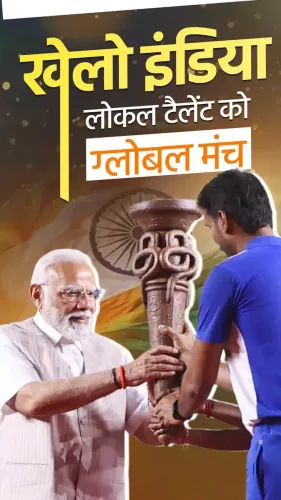
The Union Cabinet has approved ₹36,441 crore for the Khelo India Scheme and the Assistance to National Sports Federations Scheme. Sports Minister Mansukh Mandaviya called it the biggest step to promote sports in independent India's history, with an eye on building a global sports powerhouse ahead of the 2028 Olympics.
Key Takeaways
The Union Cabinet approved a combined ₹36,441 crore outlay for the Khelo India Scheme and the Assistance to National Sports Federations (ANSF) Scheme .
Union Sports Minister Mansukh Mandaviya described the approval as the largest single step to promote sports in independent India's history.
The Khelo India Scheme was originally launched in 2017 to build grassroots talent pipelines and sports infrastructure across India.
The ANSF Scheme channels central funds to recognised national federations for elite training, competitions, and administration.
The approval comes with the 2028 Los Angeles Olympics in view, giving India a four-year window to deploy the funds.
Key next steps include finalising fund disbursement schedules, state-level implementation guidelines, and new infrastructure projects.
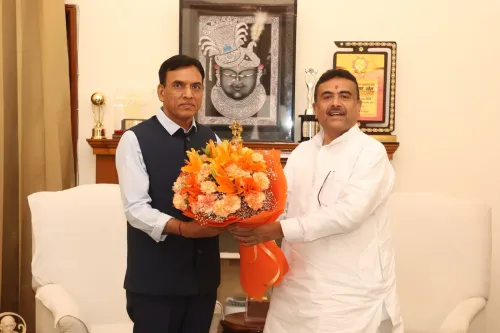
India's sports ambition just got its largest-ever financial mandate. Union Minister of Labour and Sports Mansukh Mandaviya on Friday, 31 July 2026 publicly thanked Prime Minister Narendra Modi after the Union Cabinet approved a combined outlay of ₹36,441 crore for the Khelo India Scheme and the Assistance to National Sports Federations (ANSF) Scheme — a figure Mandaviya described as the single biggest step to promote sports in independent India's history.
What the ₹36,441 crore mandate covers
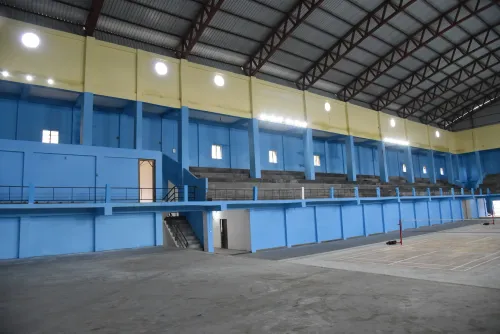
The approved outlay spans two complementary pillars. The Khelo India Scheme — first launched by the Union Cabinet in 2017 — is India's flagship grassroots programme focused on talent identification, sports infrastructure, and structured athlete pipelines from the district level upward. The ANSF Scheme runs alongside it, channelling central assistance directly to recognised national federations for elite training, international competitions, and administrative capacity.
Together, the two schemes are designed to address both ends of the pyramid: discovering raw talent in rural and urban pockets, and then equipping the federations that take those athletes to world stages. Mandaviya called the decision 'unprecedented' (अभूतपूर्व), framing it as harnessing 'the power of sports for youth development and nation-building.'
From modest medals to a global sports power — the stated goal
India's Olympic and international medal tallies have long been a sore point in policy circles, prompting successive governments to ratchet up central sports funding. This approval continues — and dramatically scales — that trajectory. The minister's post explicitly names the destination: India as a global sports superpower (वैश्विक खेल महाशक्ति).
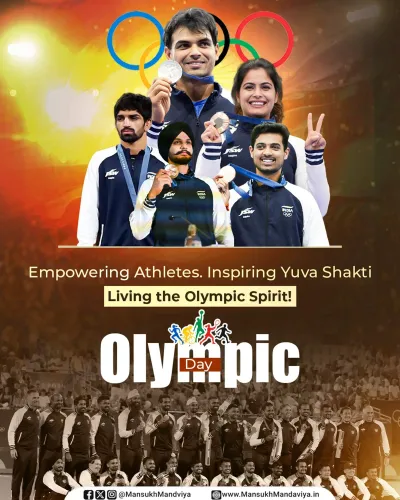
The timing carries strategic weight. With the 2028 Los Angeles Olympics on the horizon, every rupee committed now feeds into a four-year preparation window. Young athletes will gain new platforms, the minister said, while federations will have the institutional muscle to back them.
What comes next: disbursement, states, and the 2028 clock
The headline number is approved; the harder work begins with fund disbursement schedules, state-level implementation guidelines, and the infrastructure projects that will define whether the outlay translates into podium finishes. National sports federations, state governments, and the thousands of young athletes already inside the Khelo India ecosystem are the immediate stakeholders watching for those operational details.
A ₹36,441 crore commitment is a declaration of intent. Whether India's grassroots pipeline and federation machinery can convert that intent into medals — that is the question the next four years will answer.
Point of View
441 crore approval is the Modi government's most financially assertive statement yet that sports is a strategic — not ceremonial — national priority. By consolidating grassroots discovery (Khelo India) with federation capacity (ANSF) under a single mega-outlay, the policy architecture attempts to close the gap between talent identification and elite performance that has historically blunted India's Olympic ambitions. The announcement also fits a broader political pattern: framing youth development through sports as a nation-building project, giving the BJP a visible, aspirational deliverable ahead of the 2028 Games. The real test will be implementation fidelity — whether state governments and federations can absorb and deploy capital at the pace the timeline demands.
NationPress
31 Jul 2026
Frequently Asked Questions
What is the Khelo India Scheme and how much has been approved for it?
The Khelo India Scheme is India's flagship central programme for grassroots sports promotion, talent identification, and infrastructure development, first approved by the Union Cabinet in 2017. The latest Cabinet decision approved a combined outlay of ₹36,441 crore for Khelo India and the Assistance to National Sports Federations Scheme together.
What is the Assistance to National Sports Federations Scheme?
The Assistance to National Sports Federations (ANSF) Scheme provides central government funding to recognised national sports federations for elite athlete training, participation in international competitions, and strengthening administrative capacity.
Why did Mansukh Mandaviya thank PM Modi for this sports approval?
As Union Minister for Youth Affairs and Sports, Mansukh Mandaviya is responsible for implementing sports policy. He publicly thanked PM Modi for approving the ₹36,441 crore outlay, calling it the biggest step to promote sports in independent India's history and linking it to youth development and nation-building.
How does this approval relate to the 2028 Olympics?
The 2028 Los Angeles Olympics is a key milestone driving India's sports investment cycle. The approved funds are expected to accelerate talent pipelines and federation readiness over the next four years, with the goal of improving India's international medal performance.
What happens next after the Khelo India Scheme is approved?
Following Cabinet approval, the focus shifts to fund disbursement schedules, state-level implementation guidelines, and the rollout of new sports infrastructure projects. National sports federations and state governments are the primary bodies responsible for translating the approved outlay into on-ground programmes.