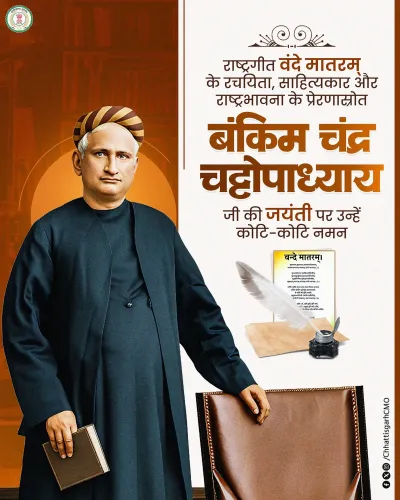
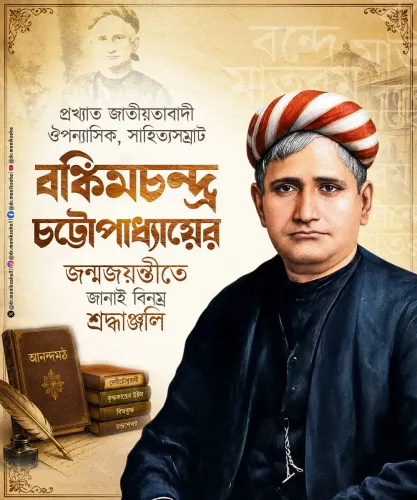
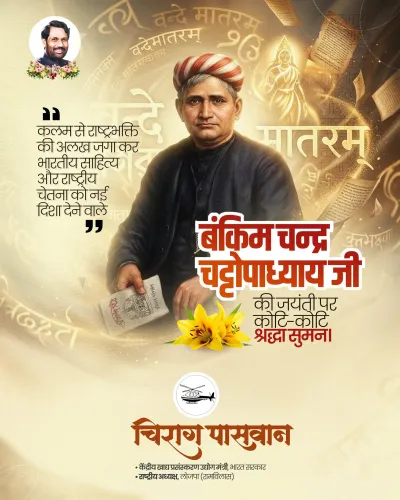
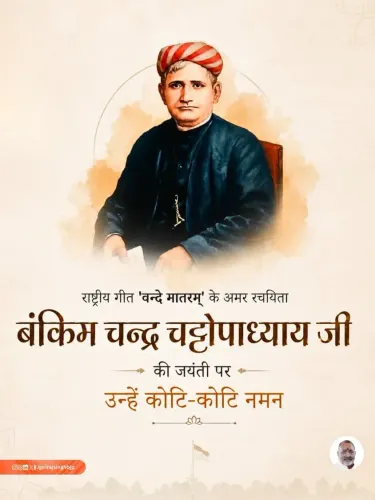
Mandaviya pays tribute to Bankim Chandra on birth anniversary
Synopsis
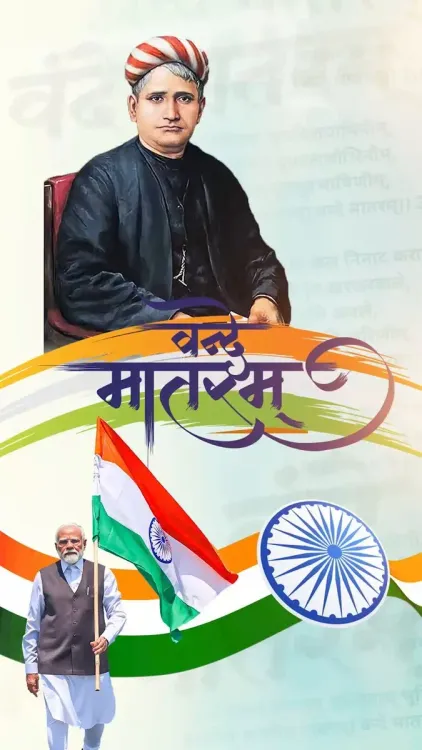
Union Labour and Sports Minister Mansukh Mandaviya on 26 June 2026 paid homage to Bankim Chandra Chattopadhyay, the 19th-century Bengali writer born on this day in 1838 who composed Vande Mataram — India's national song — in his 1882 novel Anandamath, later adopted by the Constituent Assembly in 1950.
Key Takeaways
Mansukh Mandaviya , Union Labour and Sports Minister, posted a tribute to Bankim Chandra Chattopadhyay on 26 June 2026 , his birth anniversary.
Bankim Chandra Chattopadhyay was born on 26 June 1838 and is celebrated as a pioneering figure of modern Bengali literature.
He composed Vande Mataram in his 1882 novel Anandamath , which became a defining anthem of India's independence movement.
The Constituent Assembly of India adopted Vande Mataram as the national song on 24 January 1950 .
Tributes to 19th-century nationalist and literary figures are a consistent feature of BJP-led government social media communication.
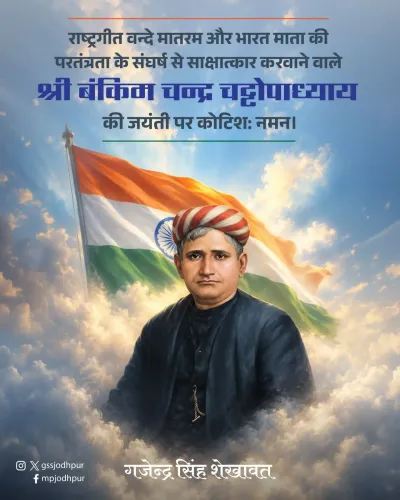
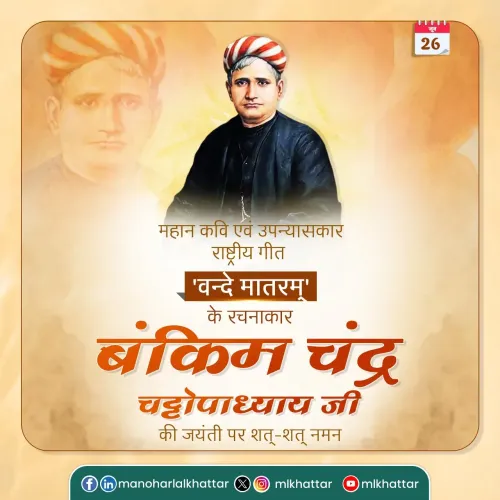
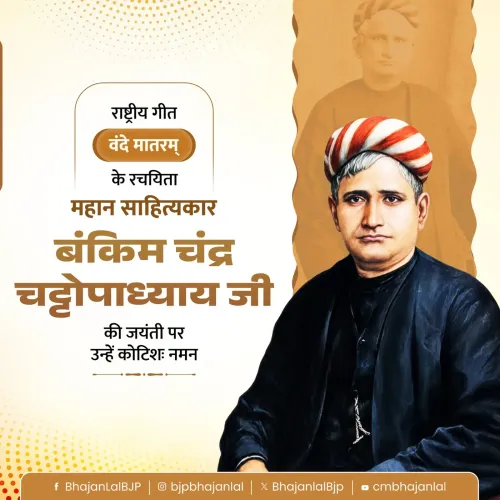
Union Labour and Sports Minister Mansukh Mandaviya on Friday, 26 June 2026, paid tribute to Bankim Chandra Chattopadhyay, the celebrated Bengali litterateur and composer of India's national song Vande Mataram, on the occasion of his birth anniversary.
In his post, the minister wrote: 'Rashtra geet Vande Mataram ke rachayita, mahan sahityakar Shri Bankim Chandra Chattopadhyay ji ki jayanti par unhe sadar naman' — offering respectful homage to the 'great literary figure and composer of the national song Vande Mataram' on his birth anniversary.
Context
Bankim Chandra Chattopadhyay was born on 26 June 1838 in Bengal. He is regarded as one of the foremost figures of 19th-century Indian literature and is credited with shaping modern Bengali prose and nationalist thought. His works gave voice to a resurgent cultural identity at a time when the subcontinent was under colonial rule.
The song Vande Mataram first appeared in his landmark 1882 novel Anandamath, set against the backdrop of an armed uprising against British authority. The song became a rallying cry during the Indian independence movement and has endured as a symbol of national pride.
Policy Backdrop
The Constituent Assembly of India formally adopted Vande Mataram as India's national song on 24 January 1950, giving it constitutional recognition alongside the national anthem. The adoption acknowledged Chattopadhyay's singular contribution to the cultural and political imagination of independent India.
Ministers from the central government regularly mark the birth and death anniversaries of 19th-century literary and nationalist figures through official social media posts. These tributes form part of a consistent effort to highlight cultural contributions to Indian nationhood and are timed to the annual calendar of national observances.
Stakeholders and Impact
The tribute is directed at Indian citizens broadly, and carries particular resonance for Bengali communities who regard Chattopadhyay as a foundational literary figure. Schools, cultural organisations, and literary bodies across the country, especially in West Bengal, typically mark the anniversary with readings, recitations, and commemorative events.
For the BJP-led government, such observances serve a dual purpose: honouring a shared national heritage and reinforcing the cultural lineage that connects 19th-century nationalist literature to contemporary ideas of Indian identity.
What's Next
State governments and cultural institutions may hold commemorative programmes on 26 June to mark Chattopadhyay's birth anniversary. Educational bodies have in past years explored incorporating greater focus on his literary legacy in school curricula, and future observances may see similar discussions renewed at the national level.
Point of View
The post connects a literary legacy to a living constitutional symbol. This pattern of cultural commemoration via official social media has become a recognisable instrument of soft political messaging.
NationPress
26 Jun 2026
Frequently Asked Questions
Who was Bankim Chandra Chattopadhyay?
Bankim Chandra Chattopadhyay was a celebrated Bengali writer born on 26 June 1838, best known for composing Vande Mataram in his 1882 novel Anandamath. He is considered a foundational figure of modern Indian literature and 19th-century nationalist thought.
What is Vande Mataram and why is it significant?
Vande Mataram is India's national song, composed by Bankim Chandra Chattopadhyay in his novel Anandamath in 1882. It became a rallying anthem during the independence movement and was formally adopted as the national song by the Constituent Assembly on 24 January 1950.
Why did Mansukh Mandaviya post a tribute to Bankim Chandra Chattopadhyay?
Minister Mandaviya posted the tribute on 26 June 2026 to mark Chattopadhyay's birth anniversary, a practice consistent with the BJP-led government's tradition of honouring 19th-century literary and nationalist figures on their birth and death anniversaries.
When was Vande Mataram adopted as India's national song?
The Constituent Assembly of India adopted Vande Mataram as the national song on 24 January 1950, the same day it adopted Jana Gana Mana as the national anthem.