Manipur hostage crisis: 30 of 38 freed, 8 still captive as protests erupt
Synopsis
Three Baptist Church leaders shot dead, over 38 Kuki and Naga civilians taken hostage — and even as 30 are freed, the remaining captives and an extended shutdown signal that Manipur's ethnic crisis has entered a dangerous new chapter.
Key Takeaways
30 of over 38 Kuki and Naga hostages freed in Kangpokpi and Senapati districts on Thursday and Friday ; negotiations continue for the rest.
Three Baptist Church leaders were shot dead and four others injured in Kangpokpi district on 13 May , triggering the hostage crisis.
A civilian was also shot dead and his wife injured in Noney district the same evening.
Kuki Inpi Manipur (KIM) extended its 48-hour total shutdown by a further 48 hours from midnight of 15 May .
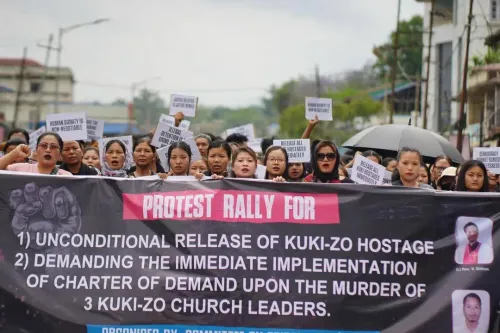
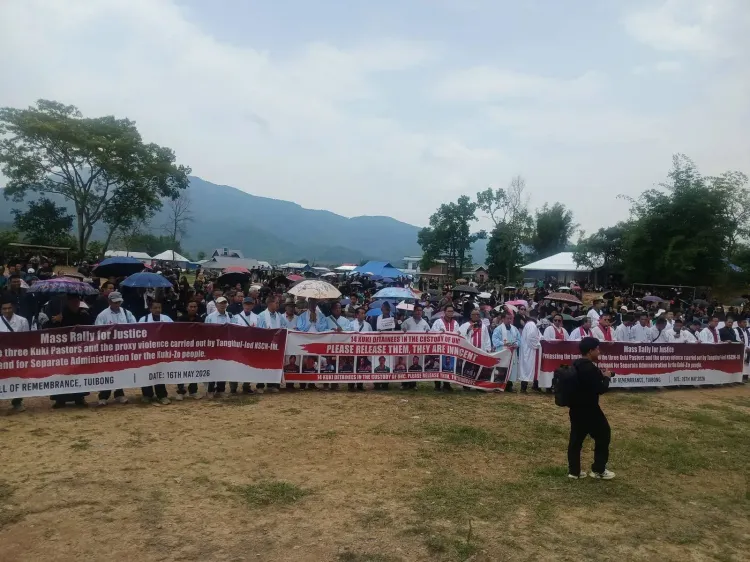
Mass protests and sit-ins were held in Kangpokpi and Churachandpur districts on Saturday demanding immediate release of remaining hostages.
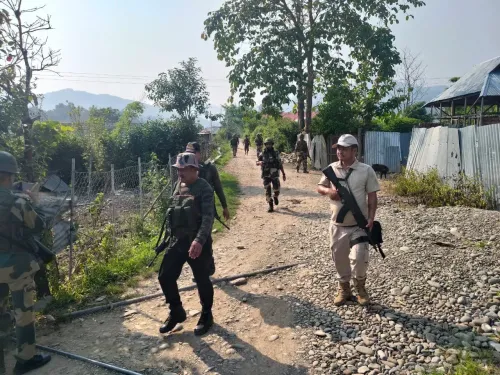
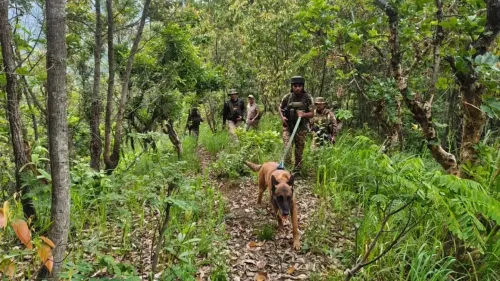
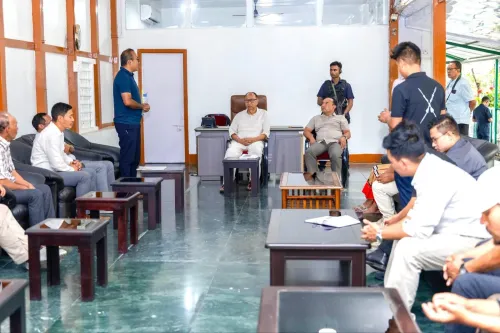
Efforts to secure the release of remaining hostages in Manipur are intensifying, with Civil Society Organisations (CSOs), state government officials, and security forces engaged in sustained negotiations, officials said on Saturday, 16 May. Of the more than 38 people from the Kuki and Naga communities held captive in Kangpokpi and Senapati districts, 30 have been released over Thursday and Friday following concerted pressure from authorities and community leaders.
How the Crisis Unfolded
The hostage situation was triggered on the morning of 13 May, when suspected militants shot dead three Baptist Church leaders and injured four others in Kangpokpi district. The hostages — including women — were reportedly taken to undisclosed locations in the aftermath of the attack.
Later that same evening, a civilian was shot dead and his wife injured in Noney district, further deepening the crisis. The back-to-back incidents sent tensions spiralling across the already fragile hill-valley divide in the state.
Rescue Efforts and What Remains
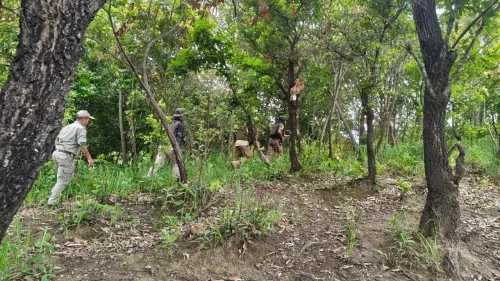
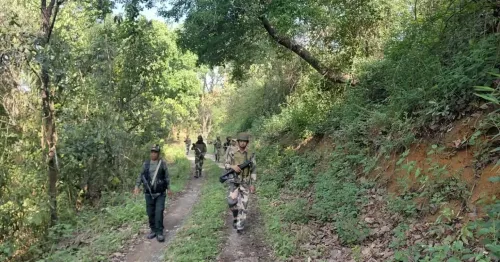
A senior police official confirmed that 30 of the captives have been freed, but stressed that efforts are continuing to ensure the “safe release of the remaining persons” still in captivity. The official did not specify the exact number still being held, but the original figure cited by authorities was over 38.
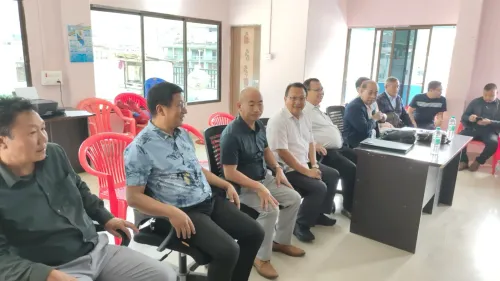
Discussions involve multiple stakeholders — state government representatives, security agencies, and community organisations — working in parallel to de-escalate the standoff without further incident.
Protests Across Kuki-Zo Areas
On Saturday, tribal bodies led by Kuki Inpi Manipur (KIM) organised demonstrations across Kuki-Zo inhabited hill districts. A sit-in protest was held in Kangpokpi district under the Committee on Tribal Unity (CoTU), while a Mass Rally was simultaneously conducted in Churachandpur district in solidarity with affected families.
KIM Information and Publicity Secretary Janghaolun Haokip outlined the core demands: the immediate, safe, and unconditional release of all remaining hostages, along with implementation of a charter of demands already submitted to the government — covering alleged persecution, targeted violence, and insecurity faced by the Kuki-Zo people, and justice for the killing of the three church leaders.
KIM Statement and Shutdown Extended
In a statement, Haokip said: “The suffering inflicted upon the families of the detainees is immense and unbearable. Parents, spouses, children and relatives of those held hostage continue to live in fear, uncertainty and severe emotional distress, without any assurance regarding the safety and well-being of their loved ones.”
The statement warned that any failure by authorities to decisively intervene risked “emboldening lawlessness and further destabilising the already fragile situation.”
KIM also announced that its 48-hour total shutdown — previously called in response to the hostage crisis — has been extended by a further 48 hours with effect from midnight of 15 May. The shutdown covers Kuki-Zo inhabited areas across the hill districts of Manipur.
Broader Context
The hostage crisis is the latest flashpoint in Manipur's prolonged ethnic conflict, which has claimed hundreds of lives and displaced tens of thousands since violence erupted between the Meitei and Kuki-Zo communities in May 2023. The targeting of church leaders marks a particularly grave escalation, given the centrality of Baptist institutions to Kuki-Zo community life. All eyes are now on whether authorities can secure the release of the remaining captives before the extended shutdown deadline lapses.
Point of View
But the fact that any remain in captivity — days after three church leaders were killed — signals a breakdown of the basic law-and-order framework in Manipur's hill districts. The extension of the KIM shutdown is a pressure tactic, but it also risks hardening community lines at a moment when de-escalation is the only viable path. What is missing from official communications is a credible timeline or mechanism for the remaining releases — and that silence is itself a governance failure. Two years after Manipur's ethnic conflict erupted, the state has yet to produce a durable framework for inter-community security guarantees, and each new incident underscores the cost of that gap.
NationPress
16 Sept 2026
Frequently Asked Questions
How many hostages have been released in Manipur so far?
30 of the more than 38 Kuki and Naga community members taken hostage in Kangpokpi and Senapati districts have been released as of Friday, 16 May. Negotiations are ongoing for the remaining captives, according to police officials.
What triggered the Manipur hostage crisis?
The crisis began on the morning of 13 May when suspected militants shot dead three Baptist Church leaders and injured four others in Kangpokpi district. Hostages — including women — were reportedly taken to undisclosed locations following the attack.
What is the Kuki Inpi Manipur shutdown about?
Kuki Inpi Manipur (KIM) called a 48-hour total shutdown to protest the alleged illegal detention of Kuki civilians and to demand the immediate, safe, and unconditional release of all remaining hostages. The shutdown has been extended by a further 48 hours from midnight of 15 May.
Who are the key groups involved in securing the hostages' release?
Civil Society Organisations, Manipur state government officials, and security forces are engaged in ongoing negotiations. Tribal bodies including the Kuki Inpi Manipur and the Committee on Tribal Unity (CoTU) are also pressing authorities through protests and formal demands.
What are KIM's demands beyond the hostage release?
Beyond the immediate release of hostages, KIM has submitted a charter of demands to the government covering alleged persecution, targeted violence, and insecurity faced by the Kuki-Zo people, as well as justice for the killing of the three Baptist Church leaders on 13 May.