Unity in Diversity: Manipur CM Honors 36 Communities' Legacy
Synopsis
Manipur's Chief Minister emphasizes the importance of unity among the state's 36 communities during the commemoration of the 'Kangla Attack'. This event highlights the shared history and integrity of Manipur, calling for peace and development.
Key Takeaways
Unity among communities is essential for peace in Manipur.
The legacy of 36 diverse communities has shaped the state's identity.
The 'Kangla Attack' is a significant historical event commemorating resistance against colonial forces.
Tributes were paid to martyrs and heroes who fought for Manipur's integrity.
The importance of coexistence is vital for future development.
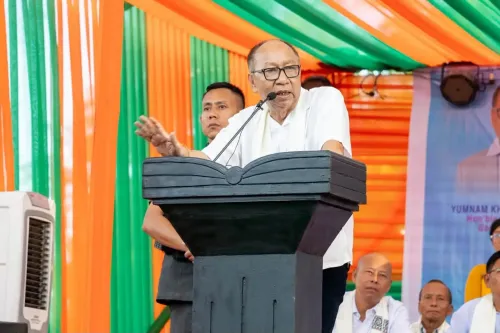
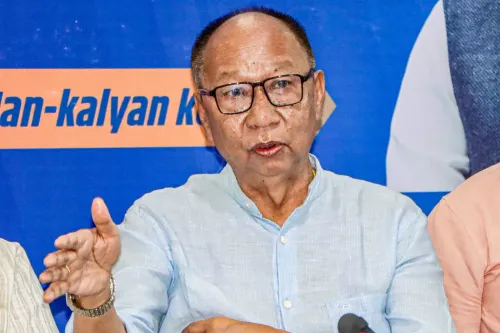
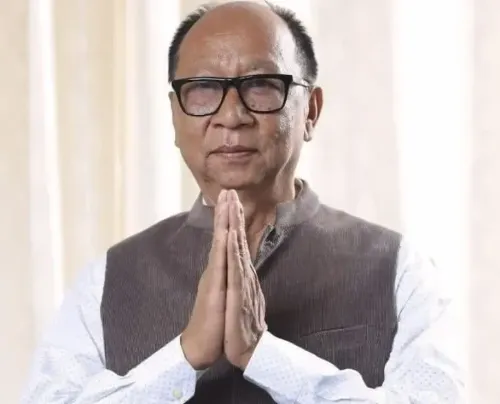
Imphal, March 24 (NationPress) Manipur's Chief Minister Yumnam Khemchand Singh stated on Tuesday that throughout various epochs of the state’s history, 36 communities have thrived together, ensuring the integrity of Manipur.
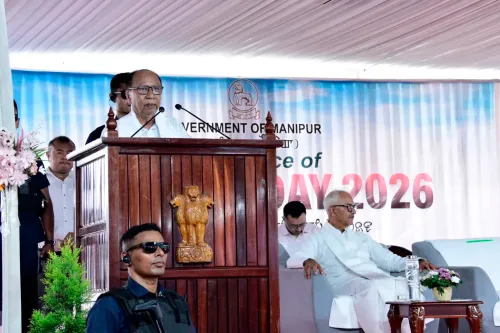
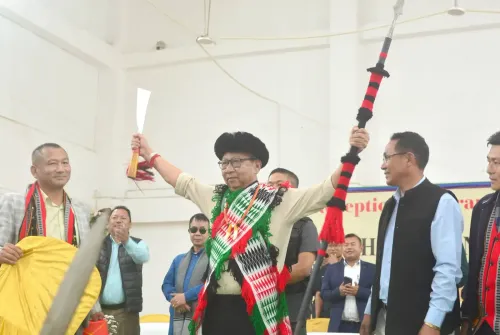
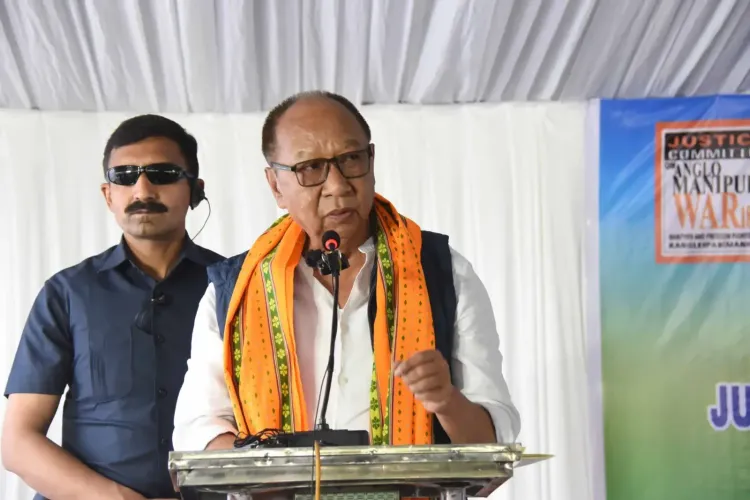
During the ceremony commemorating the ‘Kangla Attack’, which signifies the Anglo-Manipur War, held at Bir Tikendrajit Park (Pheidabung) in Imphal, the Chief Minister highlighted the importance of maintaining unity and harmony to foster peace and development.
He affirmed that all communities possess a shared identity in Manipur, clarifying that Meiteis are Manipuri-Meiteis, Nagas are Manipuri-Nagas, Kukis are Manipuri-Kukis, and Meitei Pangals are Manipuri-Meitei Pangals.
Singh stressed that the essence of Manipur is deeply rooted in unity and coexistence among its diverse populace.
Reflecting on the state's collective history, Singh remarked that for many decades, individuals from at least 36 communities have coexisted in harmony while preserving Manipur’s integrity.
“It is crucial for all communities to uphold the principles of oneness, unity, and integrity for a peaceful and developed Manipur,” he stated.
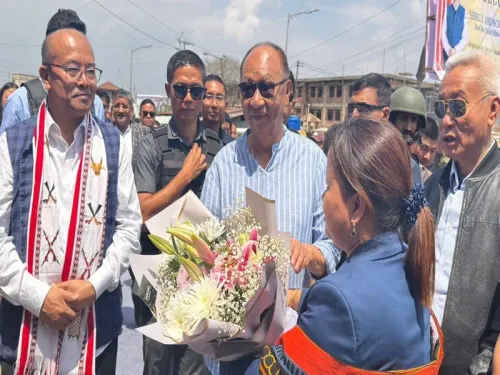
The Chief Minister, alongside other dignitaries, paid tribute with floral offerings to martyrs, freedom fighters, and unsung heroes.
A moment of silence was also observed in their memory.
This event was orchestrated by the Justice Committee on the Anglo-Manipuri War-1891 Martyrs and Freedom Fighters of Kangleipak (Manipur) and saw participation from representatives of various communities, students, and others.
The Anglo-Manipur War of 1891 was ignited by a political crisis and a subsequent palace coup, during which the British endeavored to arrest Prince Tikendrajit, resulting in the deaths of numerous British officers.
Official records indicate that the first shot of the conflict was fired by the British on March 24, 1891, without any provocation from the Manipuris.
In the early days of combat in Imphal, approximately 50 Manipuris, including Pukhramba Tanka, Khumbong Subedar, Leisang Jamadar, and Athokpa Dewan, lost their lives.
Additionally, two Tangkhul warriors were killed in close-quarters combat. On the British front, Lt. Brackenbury and several sepoys were also killed. Following the palace attack, seven unguarded British officers were slain amid public outrage.
On April 4, 1891, Manipuri forces freed 51 captured Hindustani sepoys, offering them Rs 5 each for their journey home, showcasing a unique humanitarian gesture towards Indian soldiers serving under British command.
Consequently, the British Indian government initiated a three-pronged military assault into Manipur from Kohima, Tamu, and Silchar, escalating the conflict.
The pivotal encounter of the war, the Battle of Khongjom, witnessed the sacrifice of notable freedom fighters, including Paona Brajabasi, Chinglen Sana, Khumbong Major, Loitongba Jamadar, Keisa Jamadar, and Heirang Khongja, alongside many other Manipuri warriors.
Point of View
The Chief Minister's call for unity among Manipur’s diverse communities highlights the importance of collective identity in fostering peace and development. The commemoration of significant historical events serves as a reminder of the state's rich heritage and the need for ongoing harmony.
NationPress
23 Sept 2026
Frequently Asked Questions
What was the 'Kangla Attack'?
The 'Kangla Attack' refers to the Anglo-Manipur War of 1891, which was triggered by a political crisis and a palace coup, leading to conflict between British forces and Manipuri warriors.
How many communities coexist in Manipur?
Manipur is home to 36 communities that have historically coexisted peacefully, contributing to the state's cultural diversity.
What did the Chief Minister emphasize during the event?
The Chief Minister emphasized the importance of unity, oneness, and integrity among the communities of Manipur for ensuring peace and development.
Who organized the commemoration event?
The event was organized by the Justice Committee on the Anglo-Manipuri War-1891 Martyrs and Freedom Fighters of Kangleipak (Manipur).
What humanitarian gesture did Manipuri forces show during the war?
During the conflict, Manipuri forces released 51 captured Hindustani sepoys, providing them with money for their journey home, showcasing a humanitarian approach.