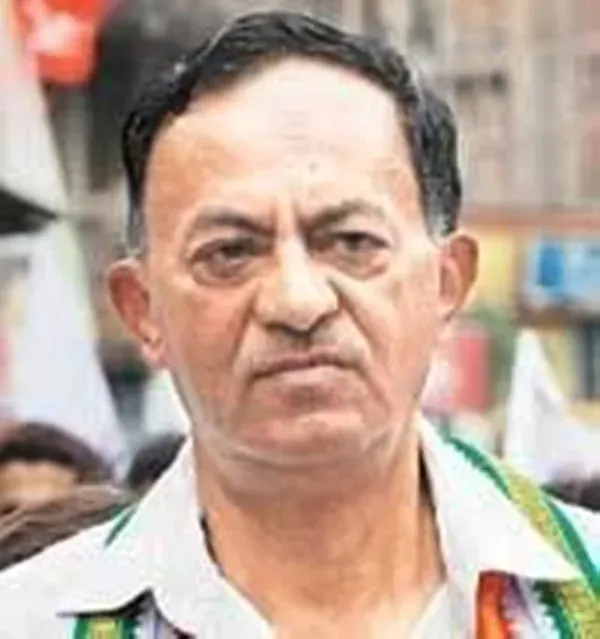
Manish Gupta quits Trinamool Congress at 84, exits politics entirely
Synopsis
At 84, former West Bengal minister Manish Gupta has walked out of the Trinamool Congress, saying he was sidelined for five years and is done with politics entirely. The man who famously unseated Chief Minister Buddhadeb Bhattacharjee in Jadavpur in 2011 is leaving on his own terms — and his public grievances are adding fuel to questions about internal discontent within the Mamata Banerjee-led party.
Key Takeaways
Manish Gupta , former West Bengal minister and ex-MLA, announced his resignation from Trinamool Congress on 16 July .
Gupta, aged 84 , also declared a complete exit from politics, citing age and five years of being sidelined within the party.
He has not yet submitted a formal resignation letter but confirmed his decision publicly to the media.
Gupta served as Home Secretary during the 21 July 1993 Mahakaran Abhijan , when 13 Youth Congress workers were killed in police firing.
In 2011 , he defeated then-Chief Minister Buddhadeb Bhattacharjee in Jadavpur after being given a Trinamool ticket by Mamata Banerjee .
The TMC has not issued an official response to his departure announcement.
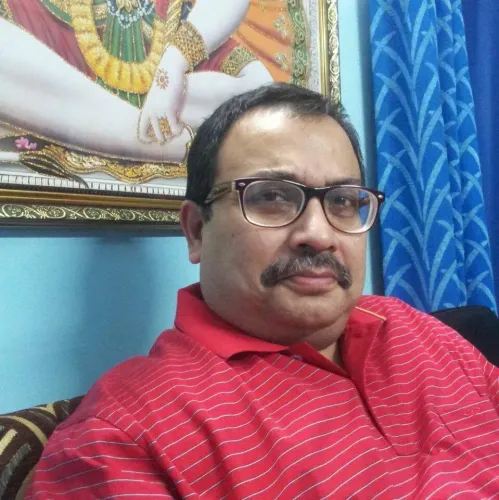
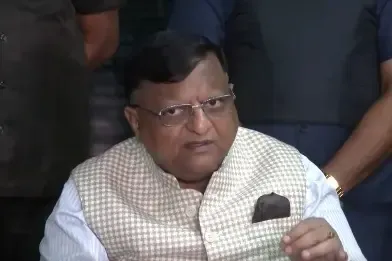
Former West Bengal minister and ex-MLA Manish Gupta on Thursday, 16 July announced his resignation from the All India Trinamool Congress (TMC), saying he has been sidelined by the Mamata Banerjee-led party for the last five years and no longer sees a role for himself in it. The 84-year-old veteran also declared a complete exit from active politics, making his departure a double blow for the ruling party in West Bengal.
What Gupta Said
Gupta told reporters that he has not yet submitted a formal resignation letter but made his intentions unambiguous. “I have been kept on the sidelines for the last five years and have not been utilised,” he said, adding that age was a significant factor in his decision. He clarified that he is not aligned with any political camp and is stepping away from public life altogether.
A Career Defined by Controversy and Comeback
Gupta’s political biography is inseparable from one of West Bengal’s most contested historical episodes. He served as the state’s Home Secretary during the Mahakaran Abhijan on 21 July 1993, when police firing killed 13 Youth Congress workers during a demonstration. That incident has shadowed him for decades, with a section of the opposition arguing that those in administrative charge at the time warranted investigation.
Notably, it is the same 21 July date that the Trinamool Congress has since converted into its annual Martyrs’ Day rally, commemorating the same workers killed in 1993 — a political irony that was never fully resolved.
How Mamata Banerjee Brought Him In
During the political realignment of 2011, Mamata Banerjee set aside the historical controversy and inducted Gupta into active Trinamool politics. He was fielded from the Jadavpur constituency — a long-standing Left Front stronghold — in the 2011 West Bengal Assembly election. Gupta went on to defeat the then-incumbent Chief Minister Buddhadeb Bhattacharjee, who had represented Jadavpur for 24 consecutive years. He subsequently served as a member of the state cabinet.
Political Significance of the Exit
Gupta’s departure is being read as more than a personal retirement. Political circles in Kolkata note that his public airing of grievances — specifically the charge of being “sidelined” — adds to a pattern of senior Trinamool figures expressing dissatisfaction in recent months. New speculation has already emerged about whether his exit signals broader internal tensions within the party ahead of future electoral cycles. The TMC has not issued an official response to his announcement.
With Gupta’s exit, the Trinamool Congress loses a figure whose 2011 Jadavpur victory remains one of the most symbolically significant upsets of that election. Whether his departure triggers further realignments will be closely watched.
Point of View
But the language he used — ‘sidelined for five years’, ‘not utilised’ — is the vocabulary of political grievance, not graceful farewell. The Trinamool Congress has a pattern of absorbing former rivals and then quietly marginalising them once their electoral utility has passed. Gupta’s 2011 Jadavpur win was historic, but the party appears to have moved on long before he did. The more consequential question is whether his public airing of discontent emboldens others within the TMC who feel similarly overlooked, particularly as the party navigates a more contested political landscape in Bengal.
NationPress
15 Oct 2026
Frequently Asked Questions
Why did Manish Gupta quit the Trinamool Congress?
Manish Gupta said he quit the Trinamool Congress because he was kept on the sidelines for five years and felt he had no role in the party. He also cited his age of 84 as a factor and announced a complete withdrawal from politics.
Has Manish Gupta formally submitted his resignation to the TMC?
As of 16 July, Gupta had not submitted a formal resignation letter, though he made his decision unambiguous in public statements to the media. The Trinamool Congress had not issued an official response.
Who is Manish Gupta and why is he significant in West Bengal politics?
Manish Gupta is a former West Bengal state minister and ex-MLA who famously defeated then-Chief Minister Buddhadeb Bhattacharjee in the Jadavpur constituency in the 2011 Assembly election. He was also the state’s Home Secretary during the 21 July 1993 Mahakaran Abhijan, when 13 Youth Congress workers were killed in police firing.
What is the connection between Manish Gupta and Martyrs’ Day?
Gupta was Home Secretary of West Bengal on 21 July 1993, when police fired on Youth Congress demonstrators during the Mahakaran Abhijan, killing 13 workers. The Trinamool Congress has since observed 21 July as Martyrs’ Day every year to honour those killed — a date and event that have long shadowed Gupta’s career.
What does Gupta’s exit mean for the Trinamool Congress?
Political observers in Kolkata see Gupta’s departure as a fresh setback for the TMC, particularly because he publicly cited being neglected within the party. His exit adds to speculation about internal discontent among senior figures in the Mamata Banerjee-led organisation.