Manjhi defends Election Commission amid row, writes to Speaker on SC/ST MPs
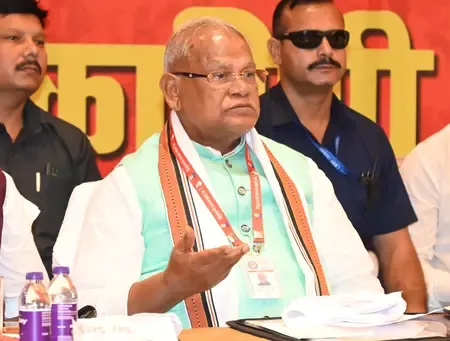
Synopsis
Union MSME Minister Jitan Ram Manjhi dismissed opposition attempts to politicise reported rifts within the Election Commission, calling such moves a sign of inexperience, while separately writing to Lok Sabha Speaker Om Birla seeking fairer speaking opportunities for Dalit and Adivasi MPs during key Bill debates.
Key Takeaways
Jitan Ram Manjhi on 26 September defended the Election Commission of India , saying internal differences of opinion are routine and should not be politicised.
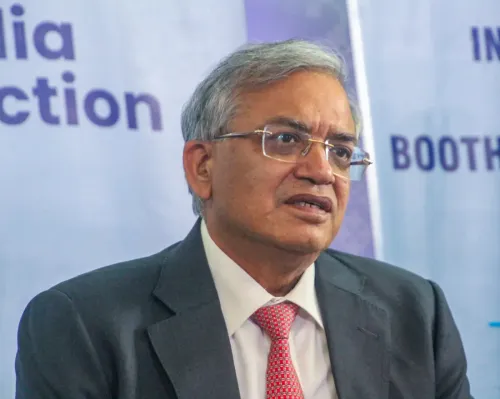
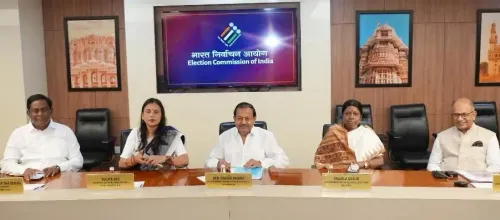
Reports had indicated that Election Commissioners Sukhbir Singh Sandhu and Vivek Joshi raised objections on several matters over 10 months ; the ECI maintained all final decisions were unanimous.
Manjhi wrote to Lok Sabha Speaker Om Birla on 16 September seeking adequate speaking time for SC and ST MPs during discussions on important Bills.
The SC/ST speaking-time concern was originally raised by BJP MP Gajendra Singh Patel (Khargone) at an NDA MPs Group Dialogue Meeting on 5 August .
Manjhi explained that groups of 14–15 NDA MPs meet under a minister's leadership each session to flag concerns, which the minister then forwards to relevant ministries.
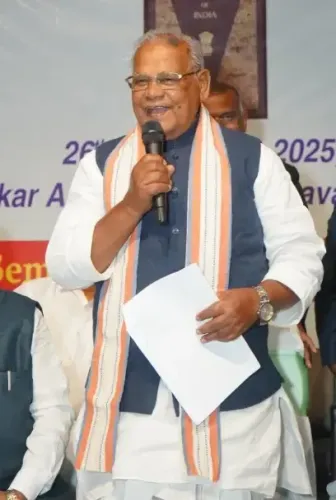
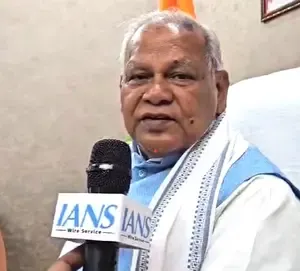
Union MSME Minister Jitan Ram Manjhi on Saturday, 26 September, pushed back against opposition leaders who have sought to draw political mileage from reported internal disagreements within the Election Commission of India (ECI), including those involving Chief Election Commissioner Gyanesh Kumar. Speaking to journalists at his residence in Gaya, Manjhi argued that those attempting to politicise differing views within constitutional bodies were simply inexperienced in how such institutions function.
Manjhi's Defence of the Election Commission
The minister cited Cabinet meetings, Election Commission proceedings, and judicial deliberations as forums where divergent opinions are routine and, crucially, expected. He stressed that a difference of opinion does not mean any single individual's view must prevail — the institution's established decision-making process determines the final outcome.
His remarks come in the wake of reports that Election Commissioners Sukhbir Singh Sandhu and Vivek Joshi had raised objections on several matters over a span of 10 months. The Election Commission itself has maintained that such individual observations are part of its normal internal deliberative process and that all final decisions were taken unanimously.
Letter to Lok Sabha Speaker on SC/ST MPs' Speaking Time
Separately, Manjhi disclosed that he had written a letter to Lok Sabha Speaker Om Birla requesting adequate speaking time for Members of Parliament belonging to Scheduled Caste (SC) and Scheduled Tribe (ST) communities during parliamentary discussions on important Bills.
The issue was originally raised by Bharatiya Janata Party (BJP) MP Gajendra Singh Patel, who represents the Khargone Lok Sabha constituency in Madhya Pradesh, during an NDA MPs Group Dialogue Meeting held at Manjhi's residence on 5 August. Manjhi subsequently wrote to the Speaker on 16 September.
'The issue raised was that MPs from Dalit and Mahadalit communities get fewer opportunities to speak. I wrote to the Speaker about this; although, strictly speaking, I should have written to the Minister of Parliamentary Affairs, I wrote directly to the Speaker. There is no political angle to this,' Manjhi said.
How the NDA Parliamentary Group Works
Manjhi also shed light on the functioning of the NDA parliamentary group during the 2024–2029 parliamentary term. He explained that clusters of around 14–15 MPs meet under a minister's leadership at the start or end of each session to surface concerns and suggestions.
'MPs raise all kinds of issues and concerns they feel are important during these meetings. It is my practice that whenever an MP speaks, voices a grievance, or offers a suggestion, I write to the relevant ministry. I inform them that the MP has raised these points and request that necessary action be taken,' Manjhi said.
What Happens Next
Notably, this is the second time in recent weeks that a senior government figure has weighed in to defend the Election Commission's internal processes amid what critics have framed as a credibility concern for the poll body. Whether Lok Sabha Speaker Om Birla acts on Manjhi's letter on SC/ST speaking time remains to be seen; the matter is expected to be taken up ahead of the next parliamentary session.
Point of View
But it sidesteps the real concern: reported sustained disagreements over 10 months among Commissioners are qualitatively different from routine deliberative dissent. By conflating normal institutional debate with what critics frame as structural discord, the government risks appearing to suppress legitimate scrutiny of the poll body's independence. The SC/ST speaking-time letter, meanwhile, is a well-intentioned intervention — but the fact that it had to come from a minister writing to the Speaker rather than through standard parliamentary procedures points to a gap in how minority-community representation is protected within the House's own scheduling norms.
NationPress
26 Sept 2026
Frequently Asked Questions
What did Jitan Ram Manjhi say about the Election Commission controversy?
Manjhi said that those trying to politicise differences of opinion within the Election Commission were inexperienced, arguing that divergent views during deliberations are normal in constitutional and governmental bodies. He pointed to Cabinet meetings and judicial proceedings as similar examples where dissenting views routinely emerge.
What are the reported differences within the Election Commission of India?
Reports indicate that Election Commissioners Sukhbir Singh Sandhu and Vivek Joshi raised objections on several matters over a period of 10 months. The Election Commission has maintained that such individual observations are part of its standard internal deliberative process and that all final decisions were taken unanimously.
Why did Manjhi write to Lok Sabha Speaker Om Birla?
Manjhi wrote to Speaker Om Birla on 16 September to request adequate speaking time for SC and ST Members of Parliament during discussions on important Bills. The concern was first raised by BJP MP Gajendra Singh Patel at an NDA group meeting on 5 August.
Who is Gajendra Singh Patel and why is he relevant here?
Gajendra Singh Patel is a BJP MP representing the Khargone Lok Sabha constituency in Madhya Pradesh. He raised the concern that Dalit and Adivasi MPs were not getting sufficient opportunities to speak on key legislation, which prompted Manjhi to write to the Lok Sabha Speaker.
How does the NDA MPs Group Dialogue Meeting work?
Groups of around 14–15 NDA MPs meet under a minister's leadership at the beginning or end of a parliamentary session to raise concerns, grievances, and suggestions. The minister then writes to the relevant ministry or authority to ensure the issues are formally flagged and acted upon.