CM Bhagwant Mann to address Akal Takht's objections to Guru Granth Sahib Satikar Act 2026
Synopsis
Punjab Chief Minister Bhagwant Mann chaired a meeting on the Guru Granth Sahib Satikar Act 2026 in Chandigarh and committed to resolving objections raised by Sri Akal Takht Sahib, pledging a follow-up meeting to preserve the law's fundamental spirit.
Key Takeaways
CM Bhagwant Mann held a high-level meeting in Chandigarh on September 27, 2026 with the government committee on the Guru Granth Sahib Satikar Act 2026 .
Sri Akal Takht Sahib , the supreme temporal seat of Sikh authority, has formally raised objections to provisions of the Act.
The Punjab government team will hold a follow-up meeting with the Akal Takht committee to find an 'amicable resolution' to all outstanding issues.
Mann committed to preserving 'the fundamental spirit' of the legislation even as amendments are negotiated.
The Act is rooted in years of political and community demand for legislation to protect the Guru Granth Sahib following past sacrilege incidents in Punjab.
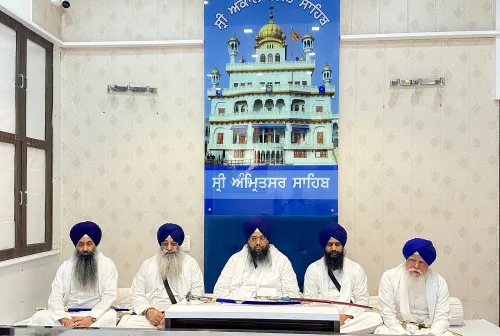
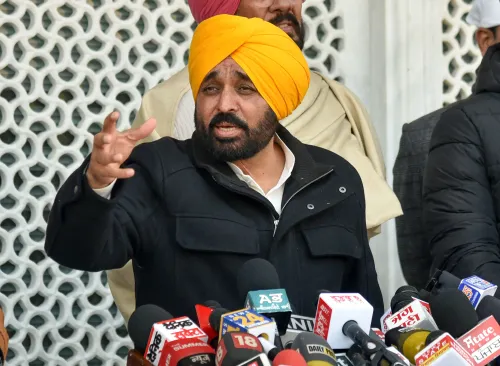
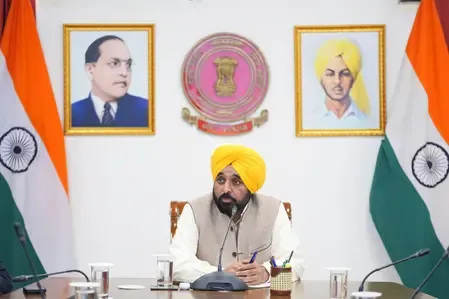
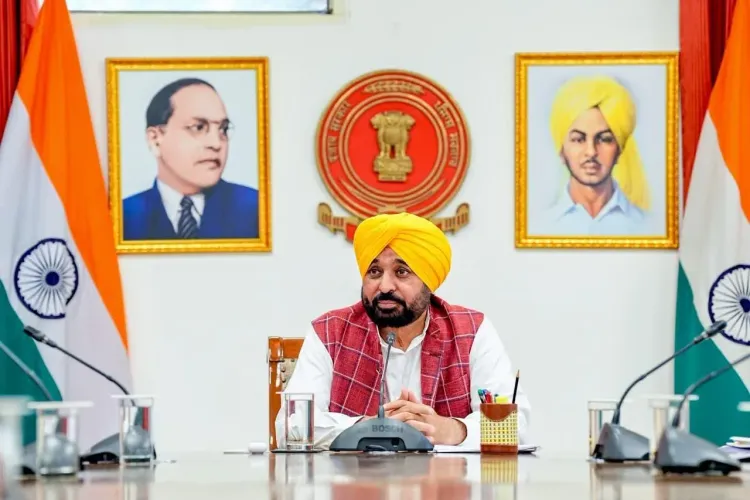
A sensitive intersection of faith and legislation came into sharp focus on Sunday, September 27, 2026, when Punjab Chief Minister Bhagwant Mann chaired a key meeting in Chandigarh with the state government committee formed around the Guru Granth Sahib Satikar Act 2026 — and publicly committed to resolving objections raised by Sri Akal Takht Sahib, the highest temporal seat of Sikh authority.
Posting in Punjabi on X, Chief Minister Mann stated: 'ਸ੍ਰੀ ਅਕਾਲ ਤਖ਼ਤ ਸਾਹਿਬ ਵੱਲੋਂ ਇਸ ਐਕਟ ਸਬੰਧੀ ਉਠਾਏ ਗਏ ਇਤਰਾਜ਼ਾਂ ਨੂੰ ਜਲਦ ਦੂਰ ਕੀਤਾ ਜਾਵੇਗਾ' — 'The objections raised by Sri Akal Takht Sahib regarding this Act will be resolved soon.' He added that a government team will meet with the Akal Takht committee 'to find an amicable resolution to all issues, so that the fundamental spirit of this law is preserved.'
Why Akal Takht's voice carries legal and moral weight
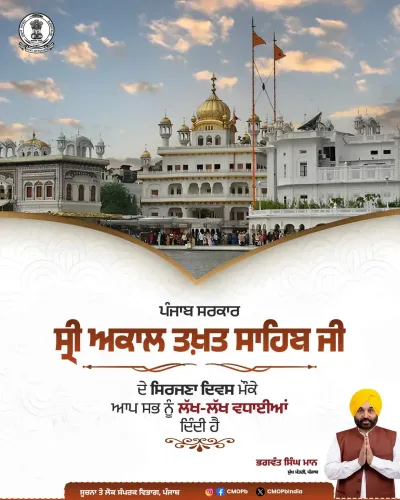
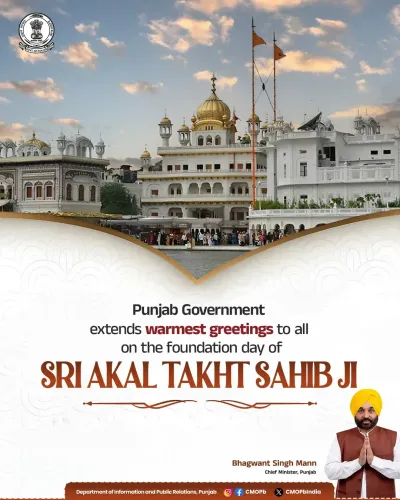
Sri Akal Takht Sahib, located in Amritsar, is not merely a religious institution — it is the supreme deliberative and executive body of Sikh temporal affairs, whose edicts carry binding moral authority for the community worldwide. Any legislation in Punjab touching upon the sanctity of Guru Granth Sahib, the eternal living scripture and Guru of the Sikhs, that does not carry Akal Takht's endorsement risks a deep rupture between state and community. The government's swift response signals it understands the stakes precisely.
The Guru Granth Sahib Satikar Act 2026 was framed to legislate respect and protect the sacred scripture — a cause rooted in the widespread anguish that swept Punjab after a series of sacrilege incidents that shook the state politically and emotionally over the past decade. Those incidents had destabilised earlier governments and remain a raw nerve in Punjab's public memory.
A pattern of negotiated lawmaking in Punjab's religious landscape
Punjab governments across party lines have periodically engaged Sikh religious institutions when drafting legislation that intersects with faith. The current exchange continues that pattern — but the explicit public acknowledgment that Akal Takht has raised objections, and the CM's personal involvement in the committee meeting, marks a degree of transparency that is notable. Mann's post frames the government's stance clearly: the 'fundamental spirit' of the law must survive whatever amendments are negotiated.
Chief Minister Mann closed with an unambiguous pledge: 'Our government is fully committed to upholding the dignity and honour of Sri Akal Takht Sahib and the religious sentiments of the congregation.' The follow-up meeting between the Punjab government team and the Akal Takht committee — now confirmed as imminent — will be the real test of whether that commitment translates into legislative text both sides can stand behind.
Point of View
Legislation on Sikh religious matters that lacks Akal Takht's moral endorsement cannot hold. The broader arc here is the AAP government attempting to close a chapter opened by sacrilege incidents that toppled its predecessor — doing so requires not just passing a law, but getting the most authoritative Sikh body to co-own its spirit. How much the final text is amended will reveal whether the government's 'fundamental spirit' pledge has teeth.
NationPress
27 Sept 2026
Frequently Asked Questions
What is the Guru Granth Sahib Satikar Act 2026?
The Guru Granth Sahib Satikar Act 2026 is a Punjab state law designed to legislate respect and protection for the Guru Granth Sahib, the eternal scripture and Guru of the Sikhs, in response to longstanding community demand following past sacrilege incidents in the state.
Why has Sri Akal Takht Sahib objected to the Act?
Sri Akal Takht Sahib, the highest temporal authority of Sikhism, has raised formal objections to certain aspects of the Guru Granth Sahib Satikar Act 2026. The specific provisions under dispute have not yet been publicly detailed, and the Punjab government has committed to resolving them through direct talks.
What did CM Bhagwant Mann announce about the Act on September 27, 2026?
CM Bhagwant Mann announced that he had chaired a meeting in Chandigarh with the government committee on the Act, that Akal Takht's objections would be addressed soon, and that a government team would meet the Akal Takht committee to reach an amicable resolution while preserving the law's fundamental spirit.
What is Sri Akal Takht Sahib and why does its opinion matter for Punjab laws?
Sri Akal Takht Sahib in Amritsar is the supreme deliberative seat of Sikh temporal affairs. Its edicts carry binding moral authority for Sikhs worldwide, making its endorsement — or the absence of it — a significant political and social factor for any Punjab legislation touching on Sikh religious matters.
What happens next between the Punjab government and Akal Takht?
A Punjab government team is expected to hold a follow-up meeting with the Sri Akal Takht Sahib committee in the near future to discuss and resolve outstanding objections, with the goal of finalising the Act in a form acceptable to both the government and Sikh religious authorities.