CM Bhagwant Mann Reviews Rajpura Mandi Paddy Procurement
Synopsis
Punjab CM Bhagwant Mann visited Rajpura's grain market on 23 October 2026 to review kharif paddy procurement, announcing 24-hour MSP payments to farmers, daily FCI special grain trains, and ongoing coordination to resolve sheller storage and lifting bottlenecks ahead of Diwali.
Key Takeaways
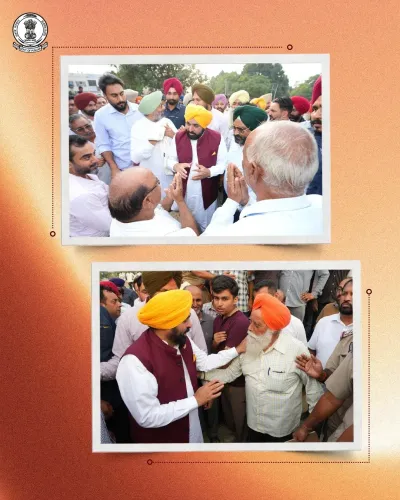
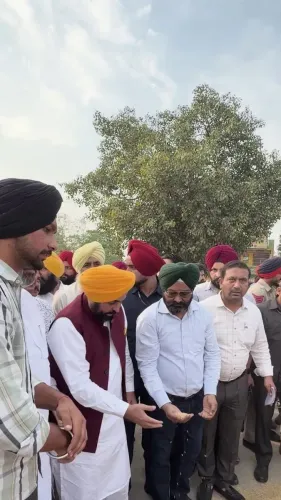
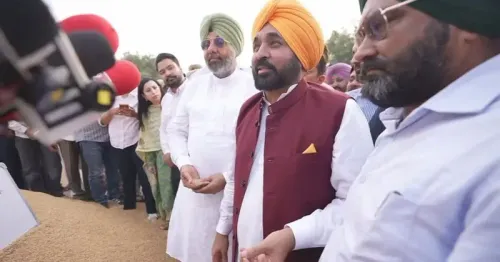
CM Bhagwant Mann conducted a personal inspection of Rajpura Anaj Mandi on 23 October 2026 to review paddy procurement arrangements.
The state government has committed to crediting MSP payments into farmers' accounts within 24 hours of purchase.
Daily special trains are operational to move procured paddy and ease storage pressure at shellers and FCI depots.
The government is in continuous contact with the Food Corporation of India (FCI) to resolve lifting and sheller space shortfalls.
Canal irrigation is credited with delivering an exceptional paddy yield this season, while basmati prices are also strong.
Punjab is India's largest supplier of procured paddy to the central pool, making timely kharif procurement a national food-security issue.
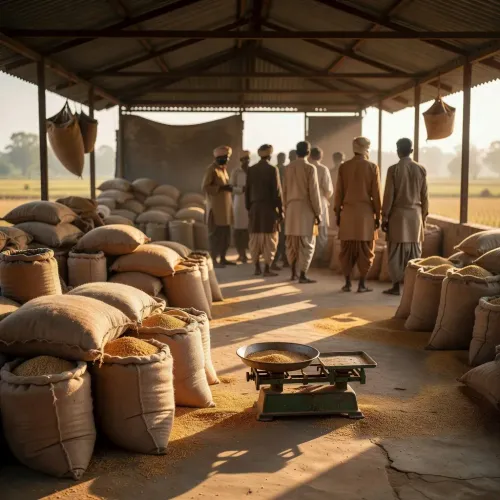
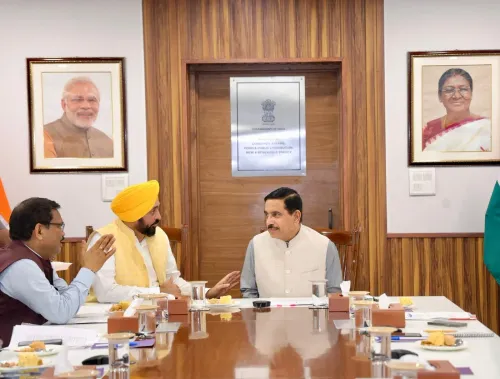
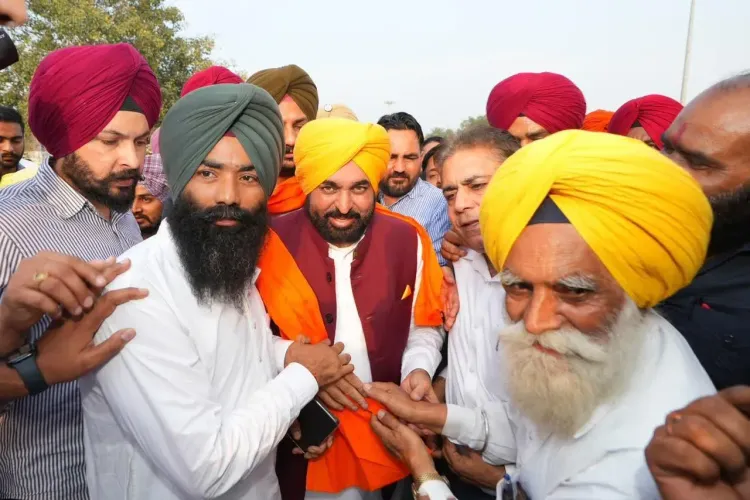
Kharif procurement season is the annual stress-test of Punjab's farm economy — and on Friday, 23 October 2026, Punjab Chief Minister Bhagwant Mann walked the grain market floors of Rajpura in Patiala district to take a hands-on look at how this year's paddy purchase operation is holding up.
Posting from the mandi, Mann declared that canal irrigation had acted like 'desi ghio' (pure clarified butter) for the fields — a vivid Punjabi idiom for something that nourishes and enriches — crediting it for an outstanding paddy yield this season. He also noted that basmati farmers are fetching strong rates in the market, adding a second layer of good news ahead of Diwali.
Grain-by-grain commitment: what Mann promised at Rajpura
The Chief Minister used the visit to restate the state government's procurement pledge in unambiguous terms: every grain of the farmer's crop will be lifted, and payment will be credited to accounts within 24 hours of purchase. That turnaround promise is significant — delayed MSP payments have historically been a flashpoint between Punjab's farmer community and successive state governments.
Mann also flagged the two pressure points that typically slow Punjab's procurement machinery: lifting logistics and sheller storage capacity. He said the government is in continuous contact with the Food Corporation of India (FCI) to resolve both, and that daily special trains are already running to move grain out of mandis and ease the backlog at storage points.
Punjab's procurement weight — and why FCI coordination matters
The stakes here are national, not just local. Punjab contributes the largest share of procured paddy to India's central pool, a position it has held since the Green Revolution of the late 1960s. When the state's kharif procurement stalls — whether due to waterlogged fields, sheller space shortfalls, or FCI lifting delays — it ripples across the public distribution system for the entire country.
The Food Corporation of India is the central agency that procures grain at the government-fixed Minimum Support Price (MSP) and moves it into national storage. Coordinating daily special train rakes between Punjab's mandis and FCI godowns across the country is a logistical exercise that runs through October and November every year, and Mann's direct engagement with FCI signals the state is not leaving that coordination to routine bureaucratic channels.
Farmers, arhtiyas, sheller owners — who wins when the chain runs smoothly
Mann specifically named the full procurement ecosystem in his post: farmers, arhtiyas (commission agents), sheller owners, transporters, and labourers. When paddy flows smoothly from field to mandi to sheller to FCI depot, every link in that chain earns. His message — 'ਇਸ ਵਾਰ ਦੀਵਾਲੀ ਬਹੁਤ ਖੁਸ਼ੀਆਂ ਭਰੀ ਹੋਵੇਗੀ' (this Diwali will be filled with great happiness) — lands as both a seasonal wish and a political guarantee: a smooth procurement season is the gift the government is delivering to the farm economy ahead of the festival.
The kharif window is narrow and unforgiving. With daily special trains running and direct FCI engagement confirmed, the pressure now sits squarely on logistics to match the season's strong agronomic story.
Point of View
On-the-ground accountability over desk-level monitoring, aimed at reassuring the farm economy before Diwali. The 24-hour payment pledge, if consistently delivered, directly addresses the chronic arhtiya-intermediary payment lag that has long frustrated Punjab farmers. Sustained FCI coordination on daily special trains is the harder operational test — storage and lifting bottlenecks are structural, and the season's reportedly strong yield will only intensify pressure on that logistics chain. How FCI's additional allocation and train schedules hold through November will be the real report card on whether the promise survives the peak of the procurement window.
NationPress
24 Oct 2026
Frequently Asked Questions
What did CM Bhagwant Mann announce about MSP payments for paddy farmers?
CM Mann pledged that MSP payments will be credited directly into farmers' bank accounts within 24 hours of paddy procurement at the mandi.
Why did Bhagwant Mann visit Rajpura mandi?
Mann visited Rajpura's grain market in Patiala district on 23 October 2026 to personally inspect kharif paddy procurement arrangements, assess logistics, and signal direct government oversight of the process.
What is the role of FCI in Punjab paddy procurement?
The Food Corporation of India (FCI) is the central government agency that procures paddy at the Minimum Support Price and moves it into national storage. Punjab coordinates with FCI on lifting schedules and storage allocation every kharif season.
Why are special trains being run during Punjab's paddy season?
Daily special trains are being operated to transport procured grain from Punjab's mandis to FCI godowns across India, helping ease the sheller storage and lifting backlog that typically builds during peak procurement weeks.
How does Punjab's paddy procurement affect the rest of India?
Punjab is India's largest single contributor of procured paddy to the central pool since the Green Revolution era. Disruptions in Punjab's kharif procurement can affect national food-grain reserves and the public distribution system across states.